Table of Contents
- Why Some Trekking Routes Feel Completely Different
- Remote Trails Reveal More Than Mountain Views
- Upper Mustang Feels Unlike Anywhere Else in Nepal
- Dolpo Offers Silence That Is Rare on Popular Trails
- Humla Shows Daily Life in Remote Himalayan Communities
- The Landscape Changes More Than Most Travelers Expect
- Local Culture Becomes Part of the Trek
- Fewer Crowds Often Lead to Better Experiences
- Why Experienced Trekkers Often Return for Hidden Routes
- Trekking in Nepal Is Not Only About Famous Names
- Choosing the Right Trek for a Different Experience
- Some Journeys Stay Longer Than the Summit View
- Frequently Asked Questions (FAQs)
Treks That Show a Different Side of Nepal
19/03/2026
Many travelers arrive in Nepal with one clear picture in
mind: snowy peaks, famous base camps, and long lines of trekkers moving along
well-known trails. That image is real, but it is only one part of the country.
Once you leave the popular routes, Nepal begins to feel very different.
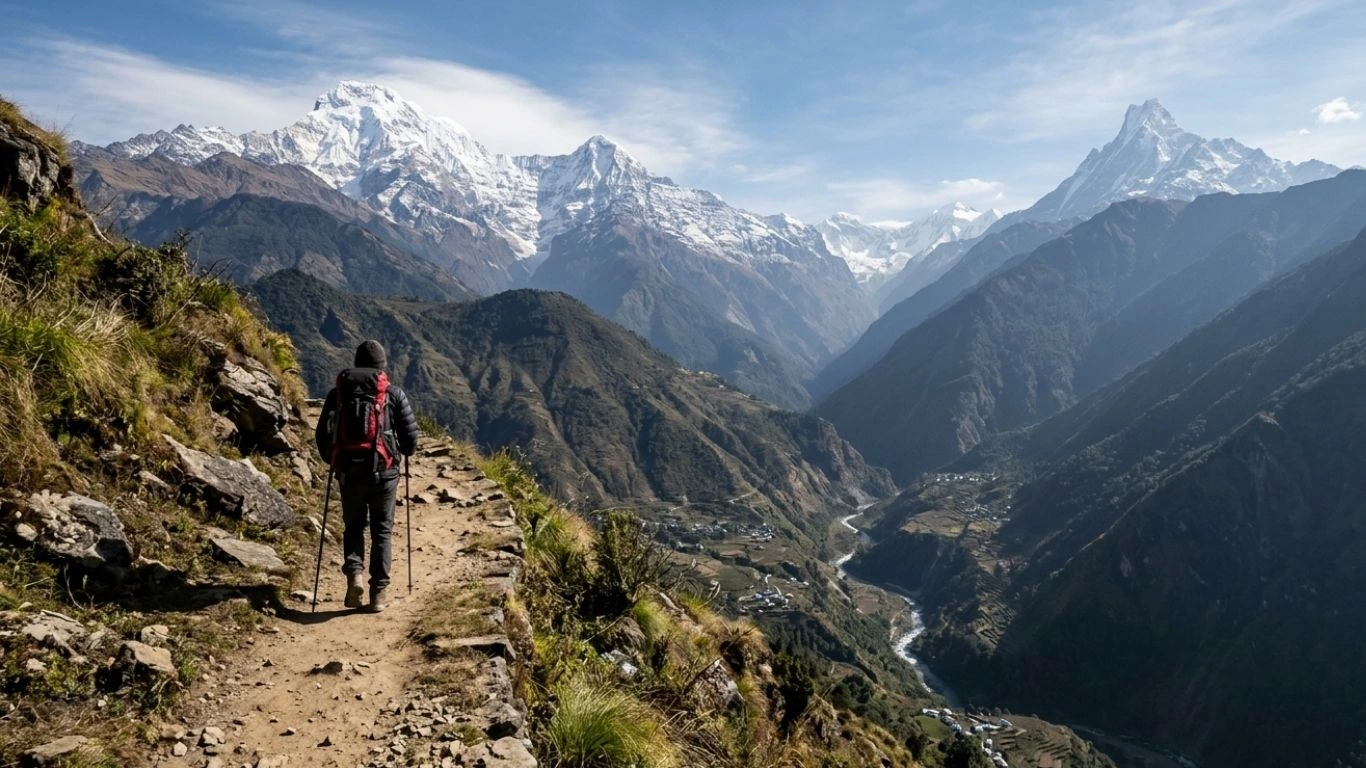
In quieter mountain regions, the pace changes. Villages become smaller, trails feel more personal, and each day reveals something that does not always appear in guidebooks. You hear local conversations instead of crowd noise, pass through valleys where daily life still follows old rhythms, and experience landscapes that shift dramatically from one district to another. That is why some treks leave a stronger impression than others. They do not just show mountains. They show culture, contrast, and a side of Nepal that many visitors miss.
Why Some Trekking Routes Feel Completely Different
Popular trekking routes are famous for good reason. They
offer beautiful views, reliable infrastructure, and a strong sense of
adventure. However, less-traveled trails often create a deeper connection
because they introduce travelers to places where tourism has not shaped every
part of daily life.
You may walk for hours without seeing another trekking group. A local tea house becomes more than a stop for food because conversations happen naturally. Even simple moments, like watching farmers work in high mountain fields, stay in memory longer than expected. This difference often changes how visitors understand Nepal. Instead of seeing only dramatic scenery, they begin to notice how diverse the country truly is.
Remote Trails Reveal More Than Mountain Views
Several trekking regions in Nepal offer this kind of
experience. These places are not always the first choice for first-time
trekkers, yet they often become the most memorable.
Upper Mustang Feels Unlike Anywhere Else in Nepal
Upper Mustang surprises many travelers because the landscape
looks completely different from greener Himalayan routes. Dry cliffs,
wind-shaped valleys, and ancient settlements create a strong sense of entering
another world.
The old villages still preserve traditions that have
remained strong for generations. Monasteries stand quietly above narrow paths,
while prayer walls stretch along village entrances. As a result, trekking here
feels both cultural and scenic at the same time.
The route also changes how people think about Nepal because
many expect forests and snow, yet find desert-like terrain surrounded by high
mountains.
Dolpo Offers Silence That Is Rare on Popular Trails
Dolpo remains one of Nepal’s most remote trekking regions.
The long walking days, limited settlements, and wide open landscapes create a
powerful sense of distance from modern routine.
Unlike busy trekking routes, Dolpo gives travelers long stretches of silence. Lakes, rocky passes, and old Buddhist villages shape the journey naturally. Because fewer trekkers visit this region, the atmosphere stays raw and authentic. That often becomes the reason many experienced trekkers describe Dolpo as unforgettable.
Humla Shows Daily Life in Remote Himalayan Communities
Humla offers a different perspective because village life becomes a major part of the trekking experience. Trails pass through isolated settlements where daily routines continue without depending heavily on tourism. Children walk long distances to school, local traders move supplies through mountain paths, and prayer flags mark entrances to villages.
This type of trekking creates stronger cultural
understanding because the route itself passes through living communities rather
than only scenic viewpoints.
The Landscape Changes More Than Most Travelers Expect
One reason remote treks feel special is the constant change in terrain. A single journey may begin in a green forest, continue through rocky valleys, and end near high mountain passes. This variety keeps trekking exciting because every few hours the surroundings feel new.
In many remote regions, weather and altitude also shape the day more clearly. Morning light often reveals distant peaks, while afternoon winds change the mood of the trail. Because of this, each day carries its own identity instead of repeating the same scenery.
Local Culture Becomes Part of the Trek
On less crowded routes, culture does not sit separately from the journey. It appears naturally throughout the day. You may stop for tea inside a family kitchen, hear local stories from lodge owners, or pass ancient mani walls built long before trekking became common. These details matter because they make trekking feel personal.
In some villages, traditional farming still shapes everyday life. In others, old trade history still influences local identity, especially near former cross-border routes. That is often the moment when travelers realize Nepal is not only a destination for mountains. It is also a place of strong local character.
Fewer Crowds Often Lead to Better Experiences
Crowded trails can still be enjoyable, but quieter routes
often allow deeper focus.
Without constant movement around you, simple things become
more noticeable:
- Footsteps
on dry trails
- River
sounds below steep paths
- Prayer
flags moving in strong wind
- Distant
bells from grazing animals
These moments often become the strongest memories because they feel natural rather than scheduled. At the same time, quieter routes give guides more room to explain local places properly, which helps travelers understand what they are seeing.
Why Experienced Trekkers Often Return for Hidden Routes
Many trekkers begin with famous destinations such as Everest
Base Camp or Annapurna Circuit. Later, they return because they want something
less predictable.
Remote trails answer that need.
They often require more preparation, but they reward travelers with stronger variety, deeper local contact, and more distinct landscapes. That is why repeat visitors often choose restricted or lesser-known routes after completing classic treks.
Trekking in Nepal Is Not Only About Famous Names
Well-known routes deserve their reputation, yet Nepal offers far more than its most searched trekking names. The country changes dramatically from west to east and from valley to valley. Some treks feel spiritual, others feel wild, and still others feel deeply connected to ancient Himalayan history. Travelers who explore beyond popular routes often leave with a broader understanding of Nepal itself.
Choosing the Right Trek for a Different Experience
If the goal is to see another side of Nepal, the route you
choose matters.
Look for treks that offer:
- smaller
villages
- restricted
area access
- fewer
commercial stops
- mixed
terrain
- strong
cultural presence
This usually leads to a more layered trekking experience. Agencies like us, Nepal Boundary Trekking Agency Pvt, Ltd., often design routes that focus on these deeper experiences, especially in remote mountain regions where planning matters more.
Some Journeys Stay Longer Than the Summit View
A mountain view can be unforgettable, but often it is the unexpected details that stay longer. A quiet monastery above a valley, a shared meal in a stone house, or an empty trail at sunrise can change how a traveler remembers Nepal.
That is why certain treks do more than show scenery. They reveal parts of the country that feel genuine, quiet, and deeply human. When that happens, Nepal no longer feels like only a trekking destination. It begins to feel much larger, more diverse, and far more personal.
Frequently Asked Questions (FAQs)
Q: Which treks show a different side of Nepal?
A: Treks in remote regions such as Upper Mustang, Dolpo, and Humla often show a very different side of Nepal because they combine unique landscapes, local culture, and quieter trails.
Q: Are remote treks in Nepal harder than popular trekking routes?
A: Many remote treks require better preparation because walking days can be longer and services may be limited. However, the difficulty depends on altitude, route length, and weather conditions.
Q: Why do experienced trekkers choose less crowded routes in Nepal?
A: Experienced trekkers often choose quieter trails because they want deeper cultural experiences, fewer crowds, and landscapes that feel less commercialized.
Q: Do remote trekking routes in Nepal require special permits?
A: Yes, several remote trekking regions, especially restricted areas, need special permits along with a licensed guide.
Q: Is Upper Mustang suitable for travelers looking for something unique?
A: Yes, Upper Mustang offers dry Himalayan terrain, ancient villages, and Tibetan-influenced culture, which makes it very different from greener trekking regions.
Q: What makes Dolpo special for trekking?
A: Dolpo is known for silence, large open landscapes, old Buddhist villages, and a remote atmosphere that many trekkers find unforgettable.
Q: Can beginners explore remote trekking areas in Nepal?
A: Some remote treks are suitable for fit beginners if they prepare properly and choose the right itinerary with professional guidance.
Q: When is the best time for remote trekking in Nepal?
A: Spring and autumn usually offer the most stable weather and clear mountain views for remote trekking routes.