Table of Contents
- Is Travel Insurance Mandatory for Trekking in Nepal?
- Why Every Trekker Should Have Travel Insurance
- What Should Your Trekking Insurance Cover?
- High-Altitude Trekking Coverage
- Emergency Medical Expenses
- Helicopter Rescue
- Trip Cancellation and Delays
- Lost or Delayed Baggage
- Does Travel Insurance Cover Altitude Sickness?
- Does Insurance Cover Helicopter Rescue in Nepal?
- What Happens If You Trek Without Insurance?
- Insurance Requirements for Popular Treks
- Everest Base Camp Trek
- Annapurna Base Camp Trek
- Annapurna Circuit Trek
- Langtang Valley Trek
- Manaslu Circuit Trek
- How Much Insurance Coverage Do You Need?
- How to Choose the Right Travel Insurance
- Conclusion
- Frequently Asked Questions (FAQs)
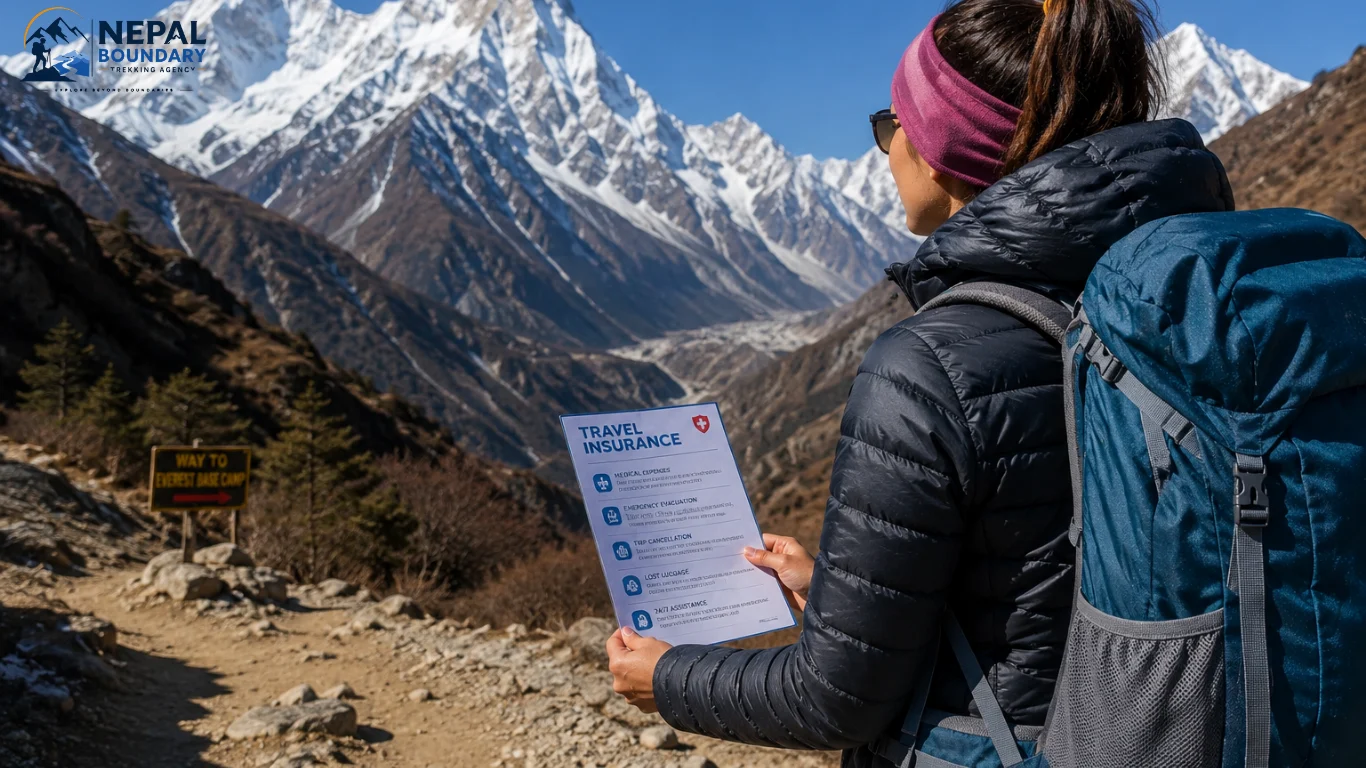
Do You Need Travel Insurance for Trekking in Nepal? Complete 2026 Guide
21/07/2026
Planning a trek in Nepal is exciting, but many travelers ask
one important question before booking their adventure: Do you need travel
insurance for trekking in Nepal? The simple answer is yes.
Although travel insurance is not legally required for every
trekking route in Nepal, it is highly recommended. Trekking in the Himalayas
comes with unique challenges, including high altitude, changing weather, and
remote mountain trails. A good insurance policy can protect you from unexpected
medical expenses, emergency helicopter evacuation, trip cancellations, and
other travel disruptions.
Before you begin the Everest Base Camp Trek, Annapurna Base Camp Trek, Langtang Valley Trek, or any other Himalayan adventure, make sure
you have the right Nepal trekking insurance. It protects you against unexpected
situations and allows you to focus on enjoying the incredible journey
Is Travel Insurance Mandatory for Trekking in Nepal?
Travel insurance is not compulsory for most trekking routes
in Nepal. However, many trekking agencies strongly recommend it before starting
your trek. Some remote trekking regions and expedition-style adventures may
also require proof of insurance before issuing permits or confirming bookings.
Even if it is not mandatory, trekking without insurance is a
risk that many experienced trekkers choose to avoid. Medical emergencies in
remote mountain areas can become expensive, especially when helicopter
evacuation is needed.
Why Every Trekker Should Have Travel Insurance
The Himalayas offer unforgettable experiences, but they also
present risks that you may not face during a normal holiday. Good travel
insurance for Nepal helps you prepare for situations that are beyond your
control.
Here are some common situations where insurance becomes
valuable:
- Emergency
medical treatment
- High
altitude illness
- Helicopter
evacuation
- Trip
cancellation or interruption
- Flight
delays
- Lost
or delayed baggage
- Personal
accidents
Instead of worrying about unexpected costs, you can focus on
enjoying the mountains.
What Should Your Trekking Insurance Cover?
Not every travel insurance policy covers trekking in Nepal.
Before purchasing a plan, carefully read the policy details.
Your trekking insurance Nepal policy should include
the following:
High-Altitude Trekking Coverage
Many standard travel insurance policies only cover
activities below certain elevations. Since popular treks such as Everest Base
Camp reach 5,364 meters, your insurance should specifically include
high-altitude trekking.
Always check the maximum altitude covered by your policy
before traveling.
Emergency Medical Expenses
Medical treatment in Kathmandu may be affordable compared to
many countries, but emergency treatment in remote mountain regions can become
expensive.
Your insurance should cover:
- Doctor
consultations
- Hospital
treatment
- Emergency
medication
- Medical
transportation
Helicopter Rescue
One of the most important features of helicopter rescue
insurance Nepal is emergency evacuation.
If you suffer severe altitude sickness, injuries, or other
medical emergencies, helicopters are often the fastest and safest way to reach
medical care.
Without insurance, helicopter rescue can cost several
thousand US dollars depending on the location and weather conditions.
Trip Cancellation and Delays
Bad weather frequently affects domestic mountain flights in
Nepal. Insurance that covers trip delays or cancellations can reduce unexpected
financial losses if your itinerary changes.
Lost or Delayed Baggage
Losing trekking gear before your adventure can create
unnecessary stress. Travel insurance often helps cover essential replacement
items while your luggage is delayed.
Does Travel Insurance Cover Altitude Sickness?
Altitude sickness is one of the biggest concerns for
trekkers in Nepal.
However, not every insurance policy automatically covers
altitude-related illnesses. Some companies exclude claims above certain
elevations, while others require additional adventure activity coverage.
If you are trekking to Everest Base Camp, Annapurna Circuit,
Manaslu Circuit, or other high mountain destinations, choose a policy that
specifically covers altitude sickness and emergency evacuation.
Does Insurance Cover Helicopter Rescue in Nepal?
This is one of the most common questions travelers ask. In
many cases, yes. However, coverage depends entirely on your insurance policy. Before
purchasing travel insurance, make sure it clearly states that it covers:
- Emergency
helicopter evacuation
- Search
and rescue
- Medical
evacuation
- High-altitude
trekking
Always carry your insurance information during your trek so
guides and rescue teams can quickly coordinate assistance if necessary.
What Happens If You Trek Without Insurance?
Many trekkers complete their journey without any problems.
However, accidents and medical emergencies can happen unexpectedly.
Without insurance, you may have to pay for:
- Emergency
helicopter evacuation
- Hospital
treatment
- Additional
accommodation
- Transportation
- Flight
changes
These expenses can quickly become much higher than the cost
of purchasing a quality travel insurance policy.
Insurance Requirements for Popular Treks
Different trekking routes have different challenges.
Choosing suitable insurance depends on your destination.
Everest Base Camp Trek
Travel insurance for Everest Base Camp should
include:
- High-altitude
trekking above 5,000 meters
- Emergency
helicopter evacuation
- Medical
treatment
- Trip
interruption
Because Everest Base Camp reaches over 5,300 meters, proper
coverage is essential.
Annapurna Base Camp Trek
Annapurna trekking insurance should include
high-altitude medical coverage, evacuation, and emergency assistance. Although
this trek is lower than Everest Base Camp, altitude sickness can still affect
trekkers.
Annapurna Circuit Trek
The Annapurna Circuit crosses Thorong La Pass at over 5,400
meters. Your insurance should cover trekking at this altitude along with
emergency evacuation.
Langtang Valley Trek
Although the Langtang region is closer to Kathmandu, many
sections remain remote. Good travel insurance provides extra security if
medical assistance becomes necessary.
Manaslu Circuit Trek
The Manaslu Circuit is a restricted area trek with
challenging terrain. Comprehensive insurance is highly recommended because
medical facilities are limited in remote villages.
How Much Insurance Coverage Do You Need?
Coverage requirements vary depending on your trek, but your
policy should comfortably cover:
- Emergency
medical treatment
- Helicopter
evacuation
- Hospital
expenses
- Personal
accidents
- Trip
interruption
Instead of choosing the cheapest policy, compare what each
plan actually covers. A slightly higher premium can provide significantly
better protection.
How to Choose the Right Travel Insurance
Choosing the right policy is easier when you know what to
look for.
Before purchasing insurance, ask yourself these questions:
- Does
it cover trekking above my maximum altitude?
- Does
it include helicopter evacuation?
- Are
adventure activities covered?
- Does
it include medical expenses?
- Are
trip delays and cancellations included?
- Is
emergency assistance available 24/7?
Reading the policy carefully before your trip can prevent unexpected surprises later.
Conclusion
So, do you need travel insurance for trekking in Nepal?
Absolutely.
Although it may not be legally required for every trekking
route, it is one of the smartest investments you can make before your Himalayan
adventure.
From altitude sickness and unexpected injuries to helicopter
rescue and travel disruptions, the right insurance policy provides valuable
financial protection throughout your journey.
If you're planning the Everest Base Camp Trek, Annapurna Base Camp Trek, Langtang Valley Trek, or another Himalayan adventure, choosing
suitable travel insurance for Nepal trekking gives you peace of mind and helps
you enjoy every step of your journey.
Frequently Asked Questions (FAQs)
Q: Do I need travel insurance for trekking in Nepal?
A: Yes. While travel insurance is not legally required for most trekking routes in Nepal, it is highly recommended. A suitable policy should cover high-altitude trekking, emergency medical treatment, and helicopter evacuation.
Q: Is travel insurance mandatory for the Everest Base Camp Trek?
A: Travel insurance is not mandatory for the Everest Base Camp Trek, but it is strongly recommended. Since the trek reaches 5,364 meters, choose a policy that covers high-altitude trekking and emergency helicopter rescue.
Q: What should travel insurance for Nepal trekking cover?
A: Your travel insurance should cover high-altitude trekking, emergency medical expenses, helicopter evacuation, search and rescue, trip cancellation, flight delays, and lost or delayed baggage.
Q: Does travel insurance cover altitude sickness in Nepal?
A: Many travel insurance policies cover altitude sickness, but not all of them. Always check that your policy includes treatment and evacuation for altitude-related illnesses at your planned trekking altitude.
Q: Does travel insurance cover helicopter rescue in Nepal?
A: Yes, many travel insurance policies include helicopter evacuation in Nepal. However, coverage varies by provider, so confirm that emergency helicopter rescue is included before you travel.
Q: How much does a helicopter rescue cost in Nepal without insurance?
A: A helicopter rescue in Nepal can cost several thousand US dollars, depending on your location, weather conditions, and the distance to the nearest medical facility. Travel insurance can help cover these costs.
Q: Can I trek in Nepal without travel insurance?
A: Yes, you can trek without travel insurance on most routes. However, doing so puts you at financial risk if you need emergency medical treatment or helicopter evacuation during your trek.
Q: Can I buy travel insurance after arriving in Nepal?
A: Some insurance companies allow you to purchase or extend coverage after arriving in Nepal. However, buying your policy before departure is usually the safest option and may provide better coverage.
Q: Which treks in Nepal require high-altitude travel insurance?
A: High-altitude travel insurance is recommended for popular treks such as the Everest Base Camp Trek, Annapurna Circuit Trek, Annapurna Base Camp Trek, Manaslu Circuit Trek, Langtang Valley Trek, Gokyo Lakes Trek, and Upper Mustang Trek.