
Table of Contents
- What Makes the Kanchenjunga Circuit Trek Difficult
- Long Trek Duration
- High Altitude
- Very Remote Trails
- Rough Trail Conditions
- Basic Food and Accommodation
- Fitness Level Needed for the Kanchenjunga Trek
- Mental Challenges of the Kanchenjunga Trek
- How to Prepare for the Kanchenjunga Trek
- Physical Preparation
- Altitude Preparation
- Gear Preparation
- Guide and Porter
- Frequently Asked Questions (FAQs)
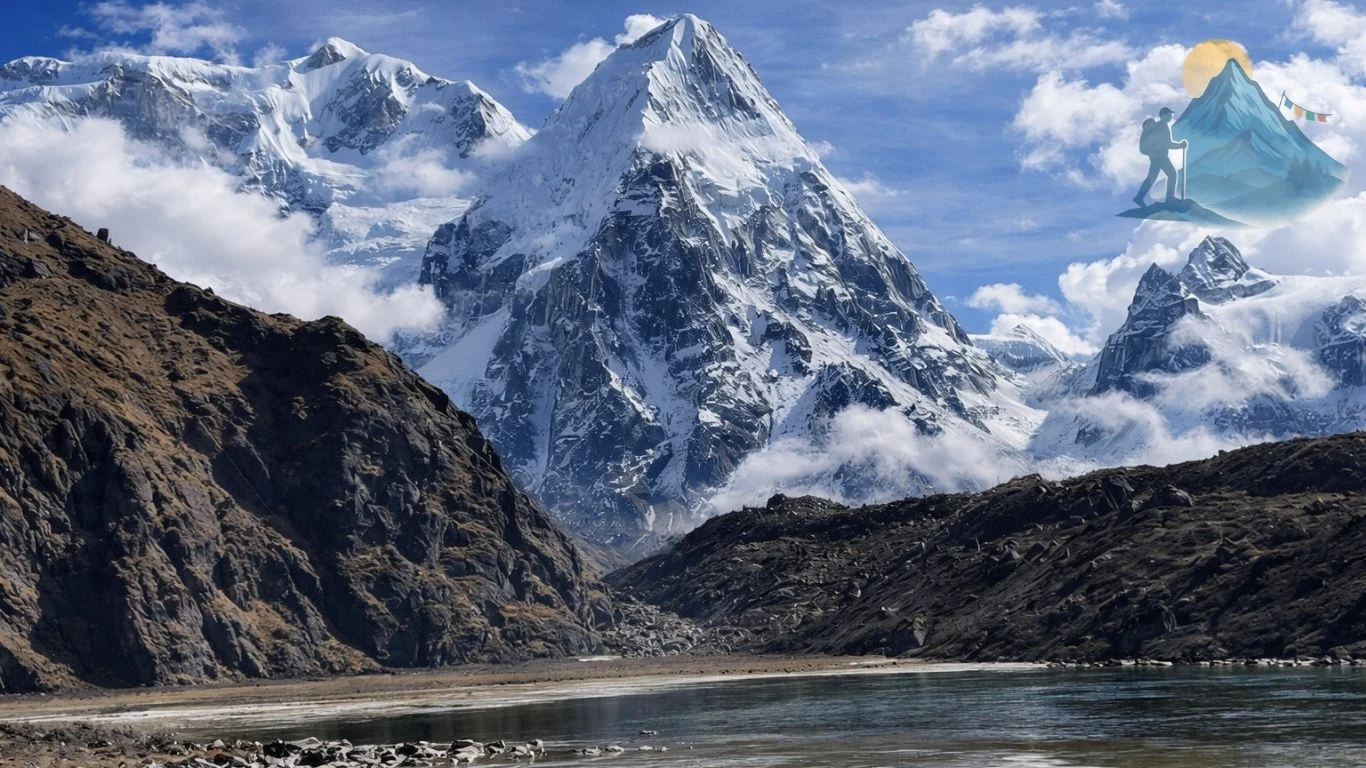
How Difficult Is the Kanchenjunga Circuit Trek Really?
10/01/2026
The Kanchenjunga Circuit Trek often comes with a serious
warning. Many people describe it as one of the most difficult treks in Nepal.
While searching online, you will see words like remote, long, and
extreme. This makes many trekkers stop and ask an important question: how
difficult is the Kanchenjunga Circuit Trek really?
This is a fair question. Not every difficult trek is
difficult in the same way. Some treks are hard because of altitude. Others are
tough because of steep trails or bad weather. The Kanchenjunga Circuit Trek is
different. It combines long walking days, high altitude, remote trails, and
basic facilities. Together, these factors make it one of the most demanding
trekking routes in Nepal.
Unlike popular treks like Everest Base Camp or Annapurna
Base Camp, Kanchenjunga does not offer comfort or quick rescue options. Once
you enter the region, you are far from roads, airports, and large villages.
This isolation adds both physical and mental pressure on trekkers.
However, difficult does not mean impossible. With the right
preparation, experience, and mindset, many trekkers successfully complete the Kanchenjunga
Circuit Trek and call it the most rewarding journey of their lives.
Where Is the Kanchenjunga and Why It Feels So
Hard?
Kanchenjunga is the third highest mountain in the world,
located in eastern Nepal, close to the borders of India and Tibet.
The Kanchenjunga Circuit Trek is in eastern Nepal, located
on the border between Nepal ( Taplejung district) and Sikkim. It takes place
inside the Kanchenjunga Conservation Area, one of the most remote
regions in the country.
Unlike popular trekking areas, this region has:
- Very
few roads
- No
nearby airports
- Limited
villages and teahouses
Reaching the starting point itself takes time. Once you
enter the trail, you are far away from cities and modern facilities. This
isolation is one of the main reasons the trek feels difficult.
Kanchenjunga Circuit Trek Difficulty Level
(Quick Summary)
Here is a simple overview of the difficulty level:
- Overall
difficulty: Very challenging
- Total
duration: 20–25 days
- Highest
altitude: Around 5,143 meters
- Daily
walking time: 6–8 hours
- Best
for: Experienced trekkers
This trek is not suitable for beginners. Even
trekkers who have completed Everest Base Camp often find Kanchenjunga harder.
What Makes the Kanchenjunga Circuit Trek Difficult
Long Trek Duration
One of the biggest challenges is how long the trek lasts.
Most itineraries take:
- Around
3 to 4 weeks
- More
than 18 days of continuous walking
Walking day after day without long rest breaks slowly drains
your energy. This makes the trek physically tiring, even for fit trekkers. Shorter
treks give your body more time to recover. Kanchenjunga does not.
High Altitude
Altitude is another serious challenge.
Key altitude points include:
- Ghunsa:
about 3,475 meters
- Lhonak:
about 4,780 meters
- Pangpema
(North Base Camp): about 5,143 meters
You have to spend many days above 4,000 meters. At
this height, your body starts to feel the strain, such as:
- Breathing
becomes harder
- Sleep
quality drops
- The
risk of altitude sickness increases
Medical help is very limited in this region. This makes
altitude management extremely important.
Very Remote Trails
Kanchenjunga is one of the least crowded trekking routes in
Nepal. During the trek, you may:
- Walk
for hours without seeing anyone
- Stay
in villages with only one lodge
- Have
no mobile signal for days
Some trekkers love this quiet experience. Others find it
mentally tiring. If you need comfort or social energy, this trek can feel
overwhelming.
Rough Trail Conditions
The trails in Kanchenjunga are not well developed. You will
face:
- Steep
uphill and downhill paths
- Narrow
trails on mountain slopes
- River
crossings and landslide areas
In bad weather, these trails become more difficult.
Because help is far away, even small problems feel bigger here.
Basic Food and Accommodation
Accommodation in the Kanchenjunga region is very simple. Expect:
- Basic
rooms with thin walls
- Limited
heating
- Shared
toilets
Food options are also limited. Most days you will eat:
- Dal
bhat
- Rice
- Noodles
or soup
After many days, this lack of variety can affect your
mood and energy.
Fitness Level Needed for the Kanchenjunga Trek
To complete this trek comfortably, you should have:
- Good
stamina
- Strong
legs
- Experience
with long-distance trekking
If you have already done treks like: Everest Base Camp,
Annapurna Circuit, and Manaslu Circuit.
Training should begin at least two to three months
before the trek. Focus on long walks, hiking with weight, and stair
climbing.
Mental Challenges of the Kanchenjunga Trek
Mental strength is just as important as physical fitness. Common
mental challenges include:
- Long
walking days
- Simple
daily routine
- Feeling
tired for many days in a row
- Being
far from comfort and communication
Many trekkers underestimate this part. Some people turn back
not because of altitude, but because they feel mentally drained.
Kanchenjunga Circuit Trek Compared to Other Popular
Treks
1.
Kanchenjunga vs Everest Base Camp
·
Kanchenjunga is longer and more remote
·
Everest has better facilities and rescue options
·
Kanchenjunga is more physically and mentally
demanding
2.
Kanchenjunga vs Manaslu Circuit
·
Both are challenging
·
Kanchenjunga is more isolated
·
Manaslu has better roads and teahouses
3.
Kanchenjunga vs Annapurna Circuit
·
Annapurna is more flexible and comfortable
·
Kanchenjunga requires full commitment
Overall, Kanchenjunga is one of the hardest teahouse treks
in Nepal.
Is the Kanchenjunga Circuit Trek Suitable for
Beginners?
In most of the cases Kanchenjunga Circuit Trek is not
suitable for beginners. Even fit beginners may struggle because:
- The
trek is very long
- There
are few exit options
- Altitude
issues are harder to manage
If you are new to trekking, it is better to start with:
- Langtang
Valley Trek
- Annapurna
Base Camp
- Everest
Base Camp
Kanchenjunga should be attempted only after gaining
experience.
How to Prepare for the Kanchenjunga Trek
Physical Preparation
- Start
training early
- Focus
on endurance
- Practice
walking on consecutive days
Altitude Preparation
- Learn
the symptoms of altitude sickness
- Gain
experience above 4,000 meters
Gear Preparation
- Strong
trekking boots
- Warm
clothing layers
- Good
sleeping bag
- Trekking
poles
Guide and Porter
Kanchenjunga is a restricted area, so:
- A
licensed guide is required
- Hiring
a porter helps reduce fatigue
This support makes the trek safer and more enjoyable.
Is the Kanchenjunga Circuit Trek Worth the
Effort?
Obviously yes. For the experienced and right trekkers who
have already done some long treks. The rewards include:
- Quiet
mountain trails
- Traditional
villages
- Raw
and untouched landscapes
- A
strong sense of achievement
This trek is not about comfort or luxury. It is about
challenge and adventure.
If you want crowds and facilities, choose another trek.
If you want a true Himalayan experience, Kanchenjunga is worth it.
Frequently Asked Questions (FAQs)
Q: Is Kanchenjunga Circuit Trek harder than Everest Base Camp?
A: Yes, it is longer, more remote, and more demanding.
Q: Is the Kanchenjunga Circuit Trek dangerous?
A: It is safe with proper planning, but risks are higher due to remoteness and lack of medical facilities.
Q: Do I need a guide for the Kanchenjunga Circuit Trek?
A: Yes, a guide is mandatory because Kanchenjunga is a restricted area.
Q: How long does the Kanchenjunga Circuit Trek take?
A: Usually the Kanchenjunga Circuit Trek takes between 22 and 25 days depending on your fitness level.
Q: Is the Kanchenjunga Trek suitable for solo trekkers?
A: No. The Kanchenjunga region is a restricted area, and solo trekking is not allowed. You must trek with a licensed guide.
Q: How cold does it get on the Kanchenjunga Trek?
A: Temperatures can drop well below freezing at higher altitudes, especially at night. In peak seasons, nights can reach -10°C or lower.
Q: Is altitude sickness common on the Kanchenjunga Trek?
A: Yes, altitude sickness is a real risk because the trek stays above 4,000 meters for many days. Proper acclimatization is very important.
Q: Are there rest days on the Kanchenjunga Trek?
A: Yes, but rest days are limited. Most itineraries include acclimatization days in places like Ghunsa and Lhonak.
Q: Is food safe to eat on the Kanchenjunga Trek?
A: Yes, food is generally safe, but choices are limited. Eating freshly cooked meals and avoiding raw foods is recommended.
Q: Do I need previous trekking experience for Kanchenjunga?
A: Yes. Prior high-altitude trekking experience is strongly recommended. This trek is not ideal for first-time trekkers.
Q: How fit do I need to be for the Kanchenjunga Trek?
A: You should be able to walk 6–8 hours a day for several weeks and handle steep climbs. Good endurance is more important than speed.
Q: Is there mobile network or internet on the Kanchenjunga Trek?
A: Mobile signal is very limited and often unavailable for many days. Internet access is rare.
Q: Can I shorten the Kanchenjunga Trek if needed?
A: It is very difficult to shorten the trek once you start. Exit points are limited, and transport options are rare.
Q: What is the best season for the Kanchenjunga Trek?
A: Spring (March-May) and autumn (September-November) are the best seasons. Weather is more stable and views are clearer.