
Table of Contents
- Why Bhairab Kunda Trek Is Special (Even for an Experienced Trekker Like Me)
- My Journey to Bhairab Kunda – A Simple Start, Deep Experience
- Local People: Pure Hearts, Honest Smiles
- Lodges & Teahouses: Very Basic but Full of Soul
- Bhairab Kunda is perfect for:
- Why Nepali Trekkers Are Now Searching for Bhairab Kunda
- A Trek That Reminded Me Why I Became a Guide
- Frequently Asked Questions (FAQs):
- Frequently Asked Questions (FAQs)
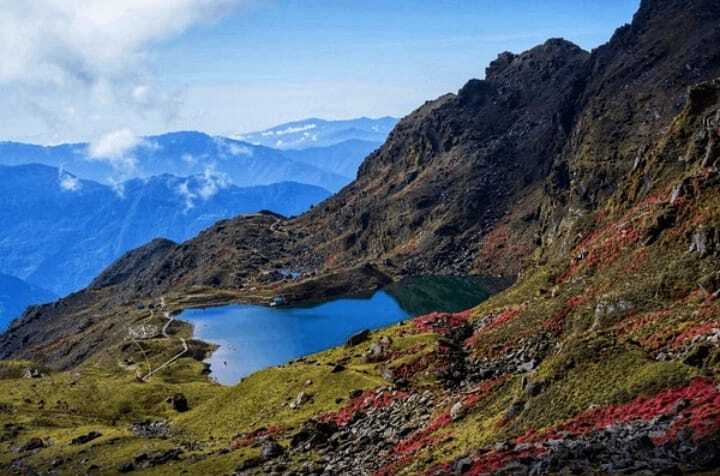
Bhairab Kunda Trek – My Personal Experience
19/01/2026
By Yogesh Kunwar – Nepal Boundary Trekking Agency
For more than twelve years, I have guided trekkers across
almost every major trekking region in Nepal. From the iconic trails of Everest
Base Camp and Annapurna Circuit to the remote valleys of Manaslu, Langtang, and
Kanchenjunga, I have walked thousands of kilometers alongside travelers from
all over the world.
I have crossed high passes, stayed in crowded teahouses,
watched unforgettable sunrises, and guided people through some of the most
famous landscapes on earth.
Yet among all these treks, Bhairab Kunda Trek stands
apart.
Not because it is higher, longer, or more comfortable, but
because of how it feels. This trek does not compete with Everest or Annapurna
in popularity. Instead, it offers something far rarer: purity, silence,
human warmth, and spiritual depth.
This is not a promotional story. This is my real experience what I personally saw, felt, ate, and lived while trekking to Bhairab Kunda.
Why Bhairab Kunda Trek Is Special (Even for an Experienced Trekker Like Me)
Bhairab Kunda is a sacred alpine lake located in the Sindhupalchok
district of Nepal, close to the Nepal–Tibet border. The lake holds deep
religious significance for both Hindus and Buddhists, and it is closely
associated with Lord Bhairab, a powerful form of Lord Shiva.
Every year during Janai Purnima, thousands of Nepali
pilgrims walk barefoot for days to reach this holy lake. Despite its spiritual
importance, Bhairab Kunda remains untouched by mass tourism.
You won’t find luxury lodges, crowded trails, or influencers
chasing photos here. And honestly, that is exactly why this trek feels special.
After guiding on famous routes like Everest Base Camp and Annapurna Circuit, one thought stayed with me throughout this journey:
My Journey to Bhairab Kunda – A Simple Start, Deep Experience
The Bhairab Kunda trek usually begins with a drive from Kathmandu
to Jalbire or Chanaute, depending on the route you choose. As the road
winds away from the capital, the city noise slowly fades.
Concrete buildings give way to hills, rivers, forests, and
small villages. Mobile signals weaken. Life slows down. Personally, I enjoy
this moment — it feels like stepping back into the Nepal I grew up in.
From the first day of walking, the trail feels refreshingly
raw. You walk on narrow paths through forests and hills, not on wide, developed
trekking highways. There are no queues of trekkers, no construction noise, just nature and local life moving at its own pace.
Local People: Pure Hearts, Honest Smiles
One of the strongest memories from the Bhairab Kunda trek
comes from the local people.
In places like Everest or Annapurna, tourism has shaped
daily life. People are kind and professional, but they are busy. Here, the
interaction feels different — more personal, more human.
Along the trail, I experienced moments like:
- Elderly
women greeting us with shy, warm smiles
- Children
following us out of curiosity, not expectation
- Locals
offering tea without asking for money
When the villagers knew that I was a trekking guide, they
didn’t treat me like a businessman. They welcomed me as a guest.
This level of genuine human connection has become rare in
popular trekking regions, and Bhairab Kunda still preserves it beautifully.
Lodges & Teahouses: Very Basic but Full of Soul
Let me be very honest here.
If you expect luxury, Bhairab Kunda is not your trek.
You won’t find:
- Attached
bathrooms
- Hot
showers every night
- Espresso
machines or bakeries
But what you will find is far more meaningful.
Most accommodations are basic village houses that
locals open for trekkers and pilgrims during the season. Rooms are simple but
clean. Blankets are thick. Electricity is limited. Nights are quiet — deeply
quiet.
As someone who has slept in hundreds of teahouses across
Nepal, I can say this with confidence:
I slept better here than on many popular trails.
There is no noise, no rush, no distraction, only mountain
silence and a warm fireplace.
Food on the Trail: Simple, Local, and Real
Food on the Bhairab Kunda trek is not fancy, but it is honest food.
What I mostly ate:
• Dal Bhat (local style)
• Gundruk soup
• Rice with local vegetables
• Tibetan bread
• Hot tea made from firewood
Because food is cooked slowly and traditionally, it feels heavier but more satisfying. After a full day of walking, that simple dal bhat tasted better than any restaurant meal in Kathmandu.
Accommodation Near Bhairab Kunda: Spiritual and Raw
Accommodation near Bhairab Kunda Lake becomes even more basic.
During festival time, many pilgrims stay in temporary shelters or tents.
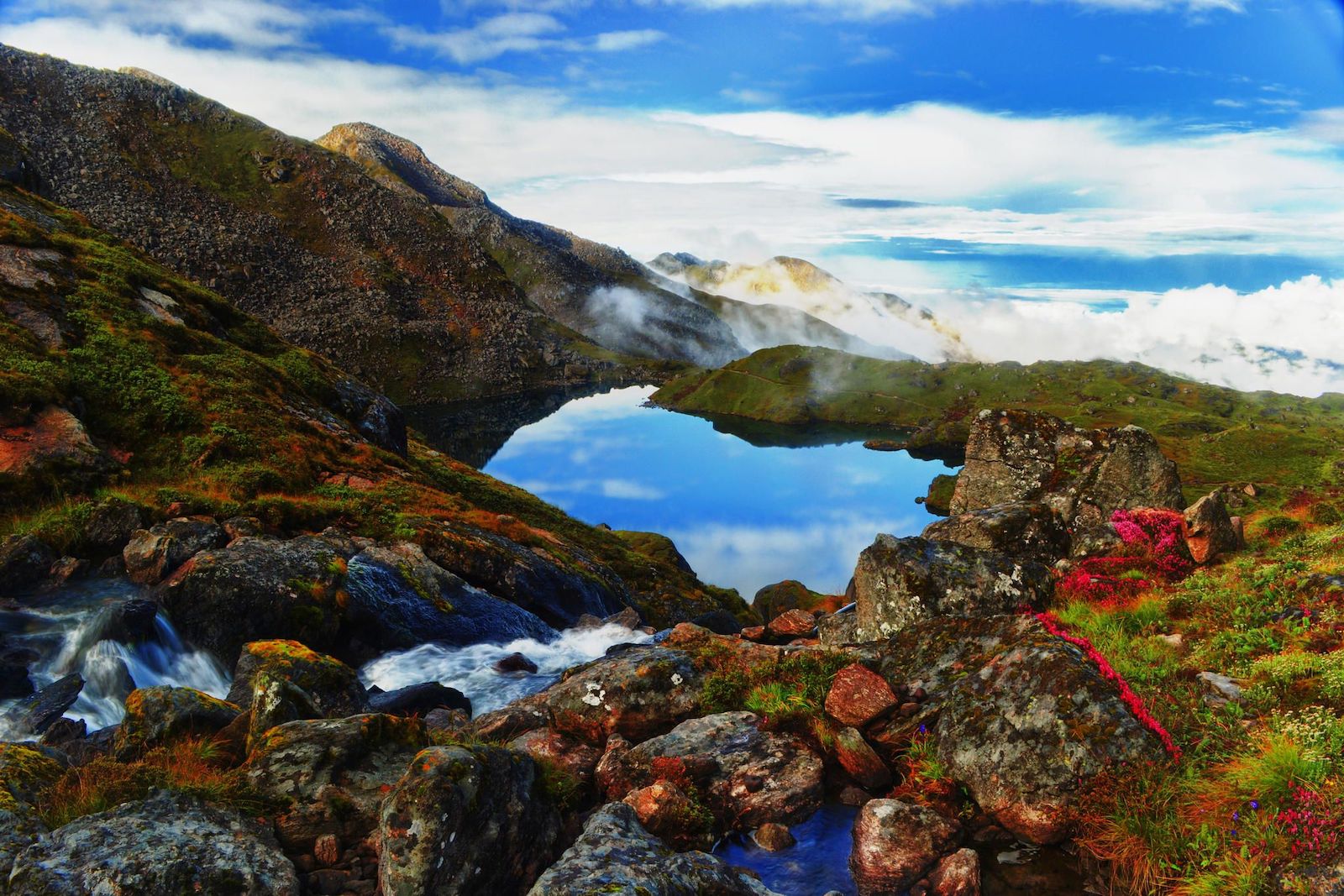
I reached the lake early in the morning.
The scene stays with me even now:
- Cold
mountain wind
- Prayer
flags fluttering softly
- Silent,
watchful peaks
- A
still blue lake reflecting the sky
I have watched sunrise at Everest and admired Annapurna’s
grand panoramas. Those moments impress your eyes.
Bhairab Kunda does something else.
It doesn’t try to impress you.
It reaches you quietly and stays with you.
Comparing Bhairab Kunda with Long Treks (Everest, Annapurna, Manaslu)
Trek Experience
Everest Base Camp World-famous, busy, commercial
Annapurna Circuit Beautiful, long, developed
Manaslu Remote but becoming popular
Bhairab Kunda Short, spiritual, untouched
Bhairab Kunda is perfect for:
• Nepali trekkers
Having guided on nearly all major routes, I often get asked
how Bhairab Kunda compares to other treks.
Here’s my honest perspective:
- Everest
Base Camp – World-famous, dramatic, busy, commercial
- Annapurna
Circuit – Beautiful, long, well-developed
- Manaslu
Circuit – Remote, cultural, gaining popularity
- Bhairab
Kunda Trek – Short, spiritual, untouched, deeply personal
This trek doesn’t compete with big names, it offers a
completely different experience.
Bhairab Kunda is perfect for:
• Nepali trekkers
• Spiritual travelers
• People with limited time
• Those who want real Nepal, not tourist Nepal
Why Nepali Trekkers Are Now Searching for Bhairab Kunda
Recently, I noticed many Nepali people searching for the Bhairab Kunda Trek. I understand why Bhairab Kunda is an excellent choice for:
- Spiritual
travelers
- Nepali
trekkers and pilgrims
- International
trekkers with limited time
- People
seeking quiet, authentic Nepal
- Travelers
are tired of crowded tourist routes
If you want luxury, look elsewhere.
If you want meaning, Bhairab Kunda delivers.
A Trek That Reminded Me Why I Became a Guide
I love guiding in the Everest, Annapurna, and every famous
trekking region of Nepal. Those trails built my career.
But Bhairab Kunda reminded me why I chose this path in the
first place.
Not for business.
Not for photos.
But for moments like walking quietly through forests,
sharing meals with locals, sleeping under cold skies, and feeling deeply
connected to the land.
If you want a short but powerful trekking experience in
Nepal, one that stays with you long after you return home, Bhairab Kunda is
one of Nepal’s most meaningful hidden treasures.
Written from real experience by Yogesh Kunwar
Nepal Boundary Trekking Agency
If you wish to trek to Bhairab Kunda with a guide who has personally walked this trail, you are always welcome to connect with us.
Frequently Asked Questions (FAQs):
Q:
A:
Q:
A:
Q:
A:
Q:
A:
Q:
A:
Q:
A:
Frequently Asked Questions (FAQs)
Q: Is the Bhairab Kunda Trek suitable for beginners?
A: Yes, Bhairab Kunda is suitable for trekkers with basic fitness. The trek is short, but some sections can be physically demanding.
Q: How long does the Bhairab Kunda Trek take?
A: The trek usually takes around 5–7 days, depending on the route and pace.
Q: When is the best time to trek to Bhairab Kunda?
A: The best seasons are spring (March–May) and autumn (September–November). Janai Purnima is special for pilgrims.
Q: Is Bhairab Kunda Trek crowded?
A: No. Except during festival time, the trail remains quiet and non-touristy.
Q: Do I need a guide for the Bhairab Kunda Trek?
A: A guide is not mandatory but highly recommended due to limited facilities, navigation, and local conditions.
Q: What kind of accommodation is available?
A: Accommodation is very basic, mostly local teahouses and homestays with limited facilities.