Blog
Gen G Protest in Nepal

Trekking in Nepal 2025: Is it Safe After the Recent Gen Z Protests?

18/09/2025

In September 2025, Nepal experienced large-scale protests mainly led by Gen Z. The movement began after the government announced a ban on 26 social media platforms (including Facebook, Instagram, WhatsApp, and YouTube). For young Nepalis who rely heavily on these platforms for connection, education, and work, this felt like a huge step backward.

The protests quickly grew into something bigger, highlighting frustration with corruption, unemployment, and inequality. While most demonstrations were peaceful, some turned violent, leading to clashes with security forces in cities like Kathmandu.

After one day of intense protests, the government lifted the social media ban, and an interim government under Sushila Karki was formed to stabilize the situation. Today, the unrest has calmed, and the country is working to return to normal.


Is Trekking in Nepal Safe Right Now?

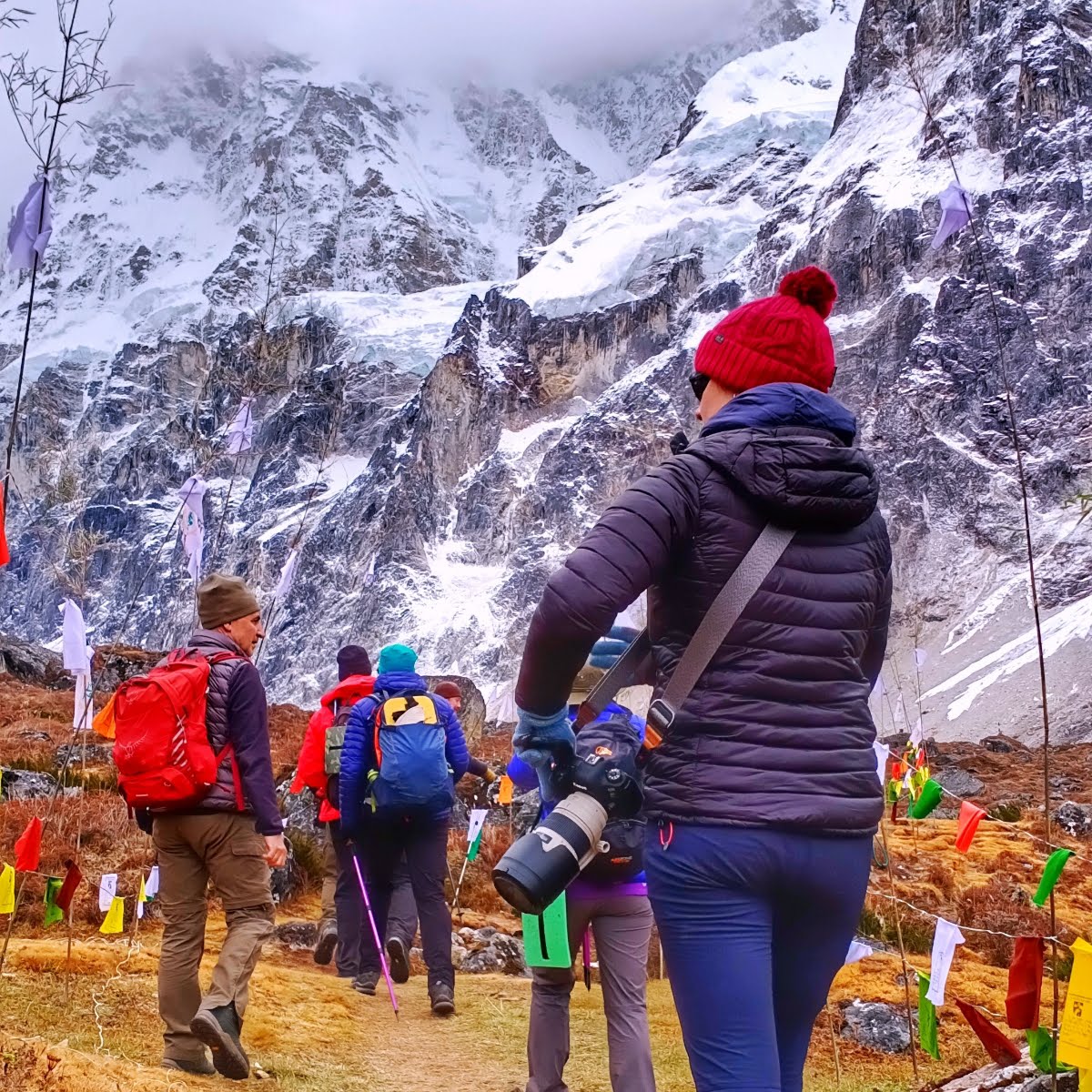
Nepal Army providing security after Gen Z protest

Here’s the good news: the political events were centered in urban areas, not in the trekking regions. The Nepal government has confirmed that major trekking routes remain open and safe. Security has been strengthened around popular destinations, and tourist activities continue as usual.

So, whether you’re dreaming of standing at Everest Base Camp, circling the Annapurna peaks, or exploring the lush Langtang Valley, your trekking plans don’t need to change.


Travel Tips for Trekkers in 2025


If you’re planning to visit Nepal soon, here are a few practical tips to make your trek smooth and safe:

• Stay updated: Keep an eye on travel advisories and local news before and during your trip.

• Book with trusted trekking agencies: Local guides know which routes are safe and can help you avoid disruptions.

• Avoid large gatherings in cities: Demonstrations may still occur occasionally, so it’s best to steer clear.

• Have flexible travel plans: Leave room in your itinerary in case of delays.

• Get travel insurance: Always a smart move for trekking adventures.


Conclusion: Nepal Awaits You

Yes, Nepal went through a turbulent moment with the Gen Z protests, but the situation has stabilized, and the mountains remain as welcoming as ever. If you’ve been hesitating, now is the time to dust off your trekking boots. The Himalayas, tea houses, and incredible trails are still here—safe, open, and waiting for you.


So go ahead, plan that trek. Nepal is ready when you are.

Thorong La Pass View

How to Conquer Thorong La Pass Without Losing Your Mind

12/09/2025

Have you ever dreamed of walking one of the world's most breathtaking trekking routes? Thorong La Pass on the Annapurna Circuit should be on your list. This mountain high pass is not just a physical challenge, but also a test of endurance, patience, and mental strength, standing tall at 5,416 meters. But you don’t have to worry, you can cross easily without losing your mind if you prepare properly, pace yourself, and stay focused on the journey ahead.

Imagine waking up before sunrise, the crisp mountain air brushing your face, with snow-capped peaks stretching endlessly in every direction. Each step is a mix of effort and awe, your heart racing not just from the climb but from the sheer thrill of being at one of the world's highest trekking points. Crossing Thorong La Pass is a life-changing experience, but only if you approach it wisely.


Understanding Thorong La Pass

Thorong La Pass is the crown jewel of the Annapurna Circuit trek. It connects Manang to Mustang, offering panoramic views of towering peaks and deep valleys. The pass is often referred to as the “gateway to the high Himalayas,” and for good reason. Every year, many trekkers from around the world come here for the challenge and the reward.

And the biggest obstacle is the altitude. Rapid ascent without proper acclimatization can lead to headaches, nausea, or even more serious conditions like Acute Mountain Sickness (AMS). The weather is another factor. The temperature can drop to -15°C, and strong winds can make the pass feel even higher than its 5,416 meters. Understanding these challenges before you set off is the first step toward a safe and memorable crossing.


When to Trek Thorong La Pass

Timing is very crucial to make your trek a success. The best months to cross Thorong La are October–November and March–April. During these periods, the weather is generally clear, and visibility is excellent, which means you can fully enjoy the dramatic mountain scenery.

However, conditions in the Himalayas can change suddenly. Snow may appear unexpectedly in the early morning, and strong winds can increase the difficulty of your ascent. Always check local weather forecasts before setting off and remain flexible with your schedule. Trekking a day earlier or later can make a huge difference in safety and comfort.


Physical and Mental Preparation

Conquering Thorong La Pass requires more than willpower—it demands preparation, both physically and mentally.

1. Fitness Training

Endurance is key. Focus on cardio exercises like running, cycling, or stair climbing to prepare your lungs and heart for high-altitude exertion. Strength training for legs, core, and back will make steep climbs and long descents manageable. If possible, practice hiking with a backpack to simulate real conditions.

2. Mental Readiness

The pass can be isolating. Trekking in thin air with limited support can feel intimidating. Prepare mentally by visualizing the journey, setting small milestones, and reminding yourself why you started. Mindfulness techniques, meditation, and even listening to motivational music or podcasts can help maintain focus during tough stretches.

3. Acclimatization Tips

Acclimatization is the secret to surviving Thorong La. Spend extra days in Manang or other villages along the route. Drink plenty of water, eat light meals, and avoid alcohol or sedatives. Remember, slow and steady wins the race; ascending too quickly is a common mistake that can jeopardize your trek.


Essential Gear for Thorong La Pass

Having the right gear can make a big difference between an exhausting struggle and a comfortable adventure.

1. Clothing: Layering is essential. Use moisture-wicking base layers, fleece mid-layers, and waterproof outer layers. Don’t forget thermal gloves, hats, and socks.

2. Equipment: Trekking poles reduce strain on knees during steep climbs and descents. Sunglasses with UV protection are a must to prevent snow blindness. Consider crampons if snow or ice is present.

3. Health & Safety Gear: Carry a first-aid kit, altitude sickness medication, and, if needed, a portable oxygen canister. Energy gels and snacks will keep your energy up during the long ascent.

4. Backpack Essentials: A Lightweight sleeping bag, headlamp, extra batteries, and a small thermos for hot drinks can make your trek far more enjoyable.


Tips to Avoid Losing Your Mind on the Trek

Even with preparation, mental challenges can creep in. Here’s how to stay sane and motivated:

1. Pace Yourself: Climbing too fast is a common mistake. Maintain a slow, steady pace. Taking short breaks every 30–60 minutes helps your body adjust and reduces fatigue.

2. Stay Positive: Celebrate small wins along the way. Whether it’s reaching a small ridge or seeing the first rays of sunrise hit the mountains, these moments can keep spirits high.

3. Buddy System: Trekking with a partner or guide provides both motivation and safety. Sharing stories or even just silent support can ease the mental strain.

4. Monitor Health Closely: Watch for headaches, nausea, dizziness, or extreme fatigue. These may indicate altitude sickness. If symptoms worsen, don’t hesitate to descend. Immediate response is crucial.

Pro Tip: Listening to your body is more important than sticking to a strict schedule. Flexibility is your friend.


What to Expect at the Top

Reaching the summit of Thorong La is a moment of pure exhilaration. As you step onto the pass, you’re rewarded with sweeping views of Himalayan peaks, deep valleys, and glacial rivers. The sense of achievement is unmatched. Many trekkers describe the moment as both humbling and empowering.

Take a moment to soak in the scenery, capture photos, and enjoy a quiet moment of reflection. The pass is not just a physical milestone; it’s a mental and emotional triumph.


Cultural Encounters Along the Way

The Annapurna Circuit is rich in culture. Along the route to Thorong La, you’ll pass through villages like Manang and Braga, where traditional Tibetan-influenced architecture, prayer flags, and warm locals greet trekkers. Experiencing local culture adds depth to your trek, turning it into a holistic adventure.

Stop by a teahouse to enjoy local dishes like dal bhat or momos and chat with villagers. These small encounters can boost morale and give you a unique perspective on life in the high Himalayas.


Post-Trek Recovery Tips

After crossing Thorong La, your body will need proper recovery. Hydrate generously and eat nutrient-rich meals to replenish lost energy. Gentle stretching or yoga can relieve muscle tension. Staying in a cozy lodge in Muktinath or nearby villages allows your body to rest and enjoy the local hospitality.

Consider documenting your journey in a journal or photos; it not only preserves memories but also helps mentally process the experience.


Frequently Asked Questions (FAQs):

1. How long does it take to cross Thorong La Pass?
Most trekkers take 6–8 hours, depending on fitness level, pace, and weather conditions.

2. Can beginners trek Thorong La safely?
Yes. With proper preparation, acclimatization, and guidance from experienced guides, beginners can safely cross the pass.

3. What precautions should I take for altitude sickness?
Ascend slowly, stay hydrated, rest frequently, and carry recommended medication. Immediate descent is necessary if severe symptoms appear.

4. Is it better to start the trek early in the morning?
Yes. Starting early helps you avoid afternoon weather changes and gives more daylight to reach the summit safely.

5. What should I eat before and during the trek?
Light, high-energy meals like oats, nuts, energy bars, and simple local foods are ideal. Avoid heavy meals that can slow you down.


Conclusion

Crossing Thorong La Pass is more than a physical achievement; it’s an experience that tests your endurance, patience, and mental resilience. By preparing carefully, pacing yourself, and paying attention to both your body and mind, you can safely enjoy one of the world’s most breathtaking trekking adventures.

Remember: every step, every breath, and every view along the way is part of the journey. Plan wisely, embrace the challenge, and treasure the rewards. Your Annapurna Circuit adventure awaits, and Thorong La Pass is the ultimate milestone you’ll never forget.

Mount Everest And Sunrise View from Kala Patthar

Sunrise at Kala Patthar: How to Capture the Perfect Himalayan Shot

10/09/2025

If you’ve ever dreamed of watching the first rays of sunlight touch the tallest mountain on Earth, then Kala Patthar sunrise should be on your bucket list. Standing at 5,545 meters, Kala Patthar offers one of the most iconic viewpoints in the Everest region. From here, you get jaw-dropping views of Mount Everest, Lhotse, Nuptse, and Pumori—something that no photo on the internet can truly capture.

But here’s the exciting part: with the right planning, timing, and photography tips, you can not only witness this breathtaking moment but also capture it in a way that feels alive every time you look back.

Why Kala Patthar is the Best Sunrise Viewpoint

When it comes to photographing Mount Everest, Kala Patthar easily beats Everest Base Camp. Why? Because while Everest Base Camp lets you stand on the route of legends, it doesn’t actually give you a great view of Everest itself. Kala Patthar, on the other hand, offers a panoramic view that feels like a painting brought to life.

As the sun rises, the peaks of Everest, Lhotse, and Nuptse glow in golden light while shadows dance across the Khumbu Glacier. Unlike other viewpoints, you don’t just see Everest here—you feel surrounded by the Himalayas. It’s this unique angle that makes sunrise at Kala Patthar a dream shot for photographers worldwide.


Preparing for the Perfect Sunrise Shot


1. Best Season to Visit

Timing is everything. The best seasons for photographing sunrise at Kala Patthar are spring (March–May) and autumn (September–November). During these months, the skies are clear, the weather is stable, and the mountain peaks shine without the interference of heavy clouds. Winter can be too harsh and monsoon often hides the views.

2. Timing the Ascent

To catch the sunrise, you’ll need to start early. Usually around 3:30 to 4:00 a.m., depending on the season. The climb from Gorak Shep takes about two hours, and trust me, trekking in the cold darkness with your headlamp will feel worth it once you see the sun’s first light over Everest.

3. Essential Gear Checklist

Now, let’s talk about what you need:

1. Camera: A DSLR or mirrorless camera works best, but modern smartphones can still do wonders.

2. Lenses: A wide-angle lens (16–35mm) for landscapes and a zoom lens (70–200mm) for close shots.

3. Tripod: Helps stabilize shots in low light.

4. Filters: ND or polarizing filters for balance and color.

5. Extras: Spare batteries, memory cards, and lens cloths (batteries drain fast in freezing cold).

6. Clothing: Layer up with down jackets, gloves, and a warm hat—it can feel like -15 °C or colder before sunrise.


Photography Tips for Sunrise at Kala Patthar

1. Mastering Composition

The Himalayas don’t need much help looking dramatic, but a little creativity goes a long way. Try framing Everest with prayer flags in the foreground, or include silhouettes of trekkers to show scale. Use the “rule of thirds” to balance the massive peaks with the glowing sky.

2. Dealing with Harsh Conditions

Cold weather can fog up your lens, so keep it covered until you’re ready to shoot. Also, store spare batteries close to your body to prevent them from draining too fast.


Beyond the Sunrise: Extra Shots Worth Taking

While the sunrise is the highlight, don’t stop there. Kala Patthar offers more photographic opportunities:

1. Night Sky Photography: If you hike a bit earlier, you can capture the Milky Way shining above Everest.

2. Panoramas: Use your wide lens to stitch together sweeping shots of the Himalayas.

3. Portraits: Frame trekkers against Everest—it’s a once-in-a-lifetime background.


Travel Tips for Photographers

1. Physical Preparation

Kala Patthar isn’t an easy hike. At over 5,500 meters, altitude sickness is a real challenge. Make sure you acclimatize properly during your Everest Base Camp trek. Drink plenty of water, rest when needed, and don’t rush.

2. Hiring Guides and Porters

Carrying heavy camera gear at that altitude can feel exhausting. Hiring a porter not only supports the local economy but also frees you up to focus on capturing moments without being weighed down.

3. Responsible Photography

The Himalayas are fragile. Stay on the trails, respect cultural sites like stupas and prayer flags, and leave no trace. A great photo shouldn’t come at the cost of the environment.


Frequently Asked Questions

1. Is the Kala Patthar sunrise worth it?
Absolutely. If you’re trekking to Everest Base Camp, Kala Patthar offers the best viewpoint of Everest itself.

2. How cold is it at Kala Patthar during sunrise?
Temperatures often drop to -10°C to -15°C, so dress in layers and keep your hands warm.

3. Do I need a professional camera for great shots?
Not at all. While DSLRs capture more detail, many modern smartphones take excellent sunrise photos if you know how to use them.

4. What’s the best month to photograph Everest from Kala Patthar?
October and November are favorites for crystal-clear skies, though April and May are equally stunning.


Conclusion

Watching the sunrise at Kala Patthar is more than just another travel experience—it’s a moment that stays with you forever. The glow of the first light on Everest, the cold crisp air, and the silence of the Himalayas create a memory you’ll carry for life. And if you follow these tips—choosing the right season, preparing your gear, and experimenting with your shots—you’ll be able to capture that magic in a way that truly does justice to the world’s highest mountains.

So, if you’re planning your trek to Everest Base Camp, don’t miss Kala Patthar at sunrise. Wake up early, climb through the dark, and watch as the Himalayas reveal their golden crown. You’ll come back not only with stunning photos but also with a story worth telling for years.

Everest Base Camp Vs Mount Kilimanjaro

Everest Base Camp vs Kilimanjaro: Why Everest Base Camp Trek is the Better Choice

06/09/2025

When people think about a bucket-list trekking adventure, two names always come up: Mount Kilimanjaro in Tanzania and the Everest Base Camp Trek in Nepal. Both are world-famous, both promise adventure, and both attract thousands of trekkers every year. But if you’re wondering which one is truly worth your time, effort, and money, let us guide you.

At Nepal Boundary Trekking Agency, we’ve seen countless trekkers return from Everest Base Camp with unforgettable stories and a deep sense of achievement. While Kilimanjaro is no doubt impressive, the Everest Base Camp Trek offers a more enriching, diverse, and rewarding experience overall. Let’s break it down step by step.


1. The Experience: More Than Just Reaching a Point

Kilimanjaro is essentially a climb. You trek for a few days, adjust to altitude, and eventually summit the “Roof of Africa.” Once you’re done, the adventure ends. While summiting is exciting, the journey itself is relatively short and lacks variety.

Everest Base Camp, on the other hand, is a journey through the heart of the Himalayas. It’s not just about standing at the base of the world’s tallest mountain. Along the way, you pass through Sherpa villages, Buddhist monasteries, suspension bridges, and breathtaking valleys. Each day is an adventure filled with cultural immersion, natural wonders, and dramatic mountain views.

If you want a trek that feels like a complete story, not just a destination, Everest Base Camp wins hands down.


2. Cultural Immersion: Sherpa Life vs. Quick Climb

One of the biggest reasons people fall in love with the Everest Base Camp Trek is the Sherpa culture. The warm hospitality, traditional teahouses, prayer flags, and chants from monasteries create a spiritual experience. You don’t just trek. You connect with the people, traditions, and lifestyle of the Himalayas.

Kilimanjaro, in contrast, is more about the climb itself. You do interact with local guides and porters, but cultural immersion is minimal compared to the deep traditions and spiritual richness you experience in Nepal.

For travelers who value culture along with adventure, Everest Base Camp is unmatched.


3. Scenery: Dramatic Himalayas vs. Gradual Slopes

Both treks offer stunning scenery, but the scale of the Himalayas is beyond imagination. On the Everest Base Camp Trek, you’re surrounded by giants like Everest, Lhotse, Nuptse, Ama Dablam, and Pumori. Every turn offers postcard-perfect views that make you pause in awe.

Kilimanjaro, being a lone peak, doesn’t offer the same variety. The landscapes change as you ascend, from forest to moorland to alpine desert, but the mountain itself is the main focus.

If dramatic, varied, jaw-dropping views matter to you, nothing compares to the Everest region.


3. Challenge: Which Trek is Tougher?

Many assume Kilimanjaro is harder because it’s a summit. But actually, both treks present challenges in different ways.

·       Kilimanjaro: The trek is shorter (5–9 days), but the rapid ascent means less time to acclimatize. That’s why many climbers suffer from altitude sickness near the summit.

·       Everest Base Camp: The trek takes 12–14 days, giving your body more time to adjust to altitude. While the journey is longer, the gradual pace makes it safer and more enjoyable.

If you want a safer adventure with better acclimatization, Everest Base Camp is the smarter choice.


4. Cost: Better Value in Nepal

Trekking in Nepal is generally more affordable than climbing Kilimanjaro. In Tanzania, park fees and mandatory guide costs push the price high. Meanwhile, in Nepal, you’ll find a range of budget to luxury options depending on how you want to travel. Plus, Nepal offers excellent value for money when it comes to food, accommodation, and trekking services.

With EBC, you get more days, richer experiences, and better value for what you spend.


5. Accessibility: Easier to Extend in Nepal

Another advantage of choosing Everest Base Camp is that Nepal offers countless trekking and cultural extensions. Want to explore Gokyo Lakes, Island Peak, or Annapurna after EBC? Totally possible. You can even combine trekking with cultural tours of Kathmandu, Pokhara, or Chitwan.

With Kilimanjaro, once you’re done, your options are limited to safaris or beach trips in Zanzibar. Amazing, right, but less variety compared to Nepal’s adventure-packed offerings.


6. Emotional Reward: A Lifetime Achievement

Standing at the base of Mount Everest is something few experiences can match. It’s not just about the altitude; it’s the journey, the culture, the views, and the people you meet along the way. Trekkers often say the Everest Base Camp Trek changed them; it made them more resilient, inspired them, and gave them a lifelong story to tell.

Kilimanjaro gives you the thrill of summiting, but once the climb is over, the memory fades quickly compared to the deep emotional impact of Everest Base Camp.


7. Safety & Support

Nepal has been welcoming trekkers for decades, and the Everest region is one of the most developed trekking areas in the world. From teahouses with Wi-Fi to professional guides and rescue services, the support system is excellent.

On Kilimanjaro, the infrastructure is more basic, and the rapid ascent can pose higher health risks.

If safety and comfort matter to you, Nepal offers a more reliable experience.


Final Verdict: Why Choose Everest Base Camp Over Kilimanjaro

Both treks are legendary. But if you want an adventure that offers more than just a trekking experience:

A longer, more rewarding journey
Rich cultural immersion with Sherpa traditions
Breathtaking Himalayan scenery
Better acclimatization and safety
Greater value for money
A story you’ll carry for life

…then the Everest Base Camp Trek is the clear winner.

At Nepal Boundary Trekking Agency, we believe the Everest Base Camp Trek is more than just a trek. It’s a once-in-a-lifetime journey that combines nature, culture, and personal achievement like nothing else in the world.

So, if you’re standing at the crossroads, wondering whether to climb Kilimanjaro or trek to Everest Base Camp, we’d say: choose Everest. The mountains, the culture, and the journey will stay with you forever. And you can proudly share about your once-in-a-lifetime journey to the world's highest peak with your loved ones.

Kathmandu to Lukla  Flight and Return — Complete Guide for Trekkers

Kathmandu to Lukla Flight and Return — Complete Guide for Trekkers

05/09/2025

For anyone planning the Everest Base Camp Trek or other adventures in the Khumbu region, the Kathmandu to Lukla flight is the fastest and most popular way to begin the journey. After the trek, most trekkers take the Lukla to Kathmandu flight to return quickly and comfortably This guide covers everything you need to know about both flights, including duration, ticket price, airlines, baggage, weather, and tips.

Kathmandu to Lukla Flight – Start of the Adventure

Flight Duration

The flight from Tribhuvan International Airport (Kathmandu) to Tenzing-Hillary Airport (Lukla) takes just 25-30 minutes. During this short trip, you'll enjoy breathtaking view of the Himalayas, green valley, and remote mountain villages.

Airlines Operating Kathmandu-Lukla Route

    •Tara air

    •Summit Air

    •Sita Air

Morning flight are the most reliable, as weather in the Himalayas is generally clearer early in the day.

Ticket Price

The cost of a Kathmandu to Lukla flight ticket ranges between USD 200-220 per person, depending on the season and availability. During peak trekking seasons (spring: March-May, autumn: September-November), tickets sell out fast, so booking in advance is highly recommended. 

Alternative Routes

During peak trekking season, flight may be rerouted for Ramechhap (Manthali Airport) instead of Kathmandu to Ramechhap.

Lukla to Kathmandu Flight – Return from Everest

After completing your trek, the Lukla to Kathmandu flight is the quickest way to return. Walking back to Jiri or Salleri can take 2-3 extra days, while this flight brings you to Kathmandu in just a half an hour.

Flight Duration

similar to the outbound flight, the journey takes about 25-30 minutes, you'll have one last chance to enjoy the spectacular Himalayan scenery from above.

Ticket Price

Return tickets cost the same as the outbound journey, usually USD 200-220 per person.

Helicopter Alternative

If regular flight are the canceled due to poor weather, helicopter flight are available. These cost around USD 500-600 (shared basis) but are more reliable in challenging conditions.

Weather and Delays – What to Expect

Lukla is known for its unpredictable weather. Cloud cover, strong winds, or rain can cause delays or cancellations. To avoid stress:

    •Keep 1-2 buffer days in your itinerary.

    •Book morning flights for better reliability.

    •Stay flexible and consider helicopter options if you're on a tight schedule.


Mount Everest

Why the Three High Passes Trek is the Ultimate Himalayan Challenge

29/08/2025

When it comes to Himalayan adventures, only a few treks can match the excitement, thrill, and unmatched beauty of the Everest Three High Passes Trek. This trek is not just another walk to Everest Base Camp; it is a test of endurance, strength, and spirit. With three challenging passes, breathtaking scenery, and immersive Sherpa culture, it has fairly earned the reputation of being the ultimate Himalayan challenge.

Seasoned trekkers and adventure enthusiasts alike will find the Three Passes Trek tests both physical endurance and mental strength, revealing its unique challenges, rich cultural experiences, essential preparation tips, and all the insights needed to embrace this unforgettable Himalayan journey fully.

Overview of the Three High Passes Trek

The Everest Three Passes Trek is an advanced trekking route in the Everest region of Nepal that connects the popular Everest BaseCamp (EBC) Trek with the Gokyo Lake Trek. Unlike the traditional EBC route, this trek takes you over three major high passes:


1. Cho La Pass (5,420 meters / 17,782 feet) – Connecting the Gokyo valley with the Khumbu valley.

cho la pass

2. Kongma La Pass (5,535 meters / 18,159 feet) – A high-altitude pass offering spectacular Everest views.

kongma la pass

3. Renjo La Pass (5,360 meters / 17,585 feet) – Linking the Gokyo Lakes with the main trekking route to EBC.

renjo la pass

Typically, the trek lasts 14–16 days, covering around 110–120 kilometers of rugged terrain. Unlike the classic Everest Base Camp trek, it challenges trekkers with higher altitudes, glacier crossings, and long, steep climbs that make it a demanding but highly rewarding adventure.


The Challenges That Make It the Ultimate Trek

High Altitude

Its extreme altitude is one of the biggest reasons this trek is considered the ultimate challenge. Crossing passes above 5,300 meters demands excellent cardiovascular fitness and proper acclimatization. Without proper preparation, you may face altitude sickness, which can include headaches, nausea, fatigue, and dizziness. Successfully navigating these altitudes gives a sense of accomplishment unmatched by lower-altitude treks.

Rugged Terrain

The Three High Passes Trek is not for the faint-hearted. The trails are often rocky, icy, and steep, especially near the passes. Glacier crossings and narrow paths require careful attention, proper footwear, and trekking experience. Even experienced trekkers find these segments challenging, but the reward is panoramic views of Everest, Lhotse, and Cho Oyu that few get to witness.

Unpredictable Weather

The Himalayan weather is unpredictable. Trekkers may experience sunshine, snow, wind, and sudden storms all in a single day. This makes preparation critical. Proper gear, including waterproof jackets, thermal layers, and trekking poles, is essential to tackle these conditions safely. Moreover, morning starts and flexible plans help trekkers adapt to weather changes without missing the scenic highlights.

Mental and Physical Demands

Beyond physical challenges, this trek is a mental test. Long days, steep climbs, cold nights, and limited resources demand patience, resilience, and adaptability. Trekkers must stay motivated even when facing fatigue or harsh conditions. This combination of physical and mental effort is what makes the Three High Passes Trek more than just a journey; it is a once-in-a-lifetime transformative adventure.


Spectacular Scenery Along the Trek

The Everest Three High Passes Trek offers some of the most breathtaking views in the Himalayas. Each pass and valley presents a unique perspective of the mountains.

1. Panoramic Mountain Views: From Cho La, Kongma La, and Renjo La, you can see iconic peaks like Mount Everest, Lhotse, Ama Dablam, and Cho Oyu.

2. Gokyo Lakes: A series of stunning turquoise glacial lakes that are perfect for photography and reflection.

3. Thonak Glacier: An impressive glacier that trekkers cross while marveling at the raw power of nature.

4. Flora and Fauna: The trek passes through rhododendron forests, alpine meadows, and even yak pastures, giving trekkers a chance to witness Himalayan wildlife.


Cultural Experiences on the Trek

The Three High Passes Trek is not just about nature; it is also a journey through Sherpa culture.

1. Sherpa Villages: You’ll pass through traditional villages like Thame, Namche Bazaar, and Gokyo, where you can experience local life.

2. Monasteries and Temples: Ancient monasteries such as Thame Monastery offer a glimpse into Buddhist traditions and prayer rituals.

3. Local Cuisine: Enjoy Sherpa staples like dal bhat, momo, and butter tea, which provide the energy needed for high-altitude trekking.

4. Festivals and Prayer Flags: Witness colorful festivals or the fluttering of prayer flags that add a spiritual dimension to the trek.

These cultural encounters enrich the trekking experience, making it both physically and emotionally rewarding.


Why Trekkers Call It the Ultimate Himalayan Challenge

Several factors make the Three Passes Trek the ultimate challenge:

1. Combination of Extreme Altitude and Rugged Terrain: Few treks demand both physical endurance and trekking skill to this level.

2. Scenic Diversity: From glaciers and lakes to mountain peaks and Sherpa villages, the views change daily, keeping trekkers constantly inspired.

3. Cultural Immersion: The Three Passes Trek offers more interaction with local communities and authentic Himalayan culture.

4. Sense of Accomplishment: Completing three high passes in a single trek is a milestone for any trekker.

In comparison to the classic Everest Base Camp trek, the Three Passes Trek is more challenging, adventurous, and rewarding, providing a holistic Himalayan experience that few treks can match.


Preparation Tips for Trekkers

1.     Physical Training

To complete the Three Passes Trek successfully, physical fitness is crucial. Focus on:

·       Cardio exercises like running, cycling, or swimming.

·       Strength training for legs, core, and back.

·       Endurance hikes to simulate long trekking days.


2.     Gear and Equipment

Proper gear can make or break your trek. Essential items include:

·       Waterproof trekking boots and thermal socks.

·       Layered clothing: base layer, fleece, and down jacket.

·       Trekking poles, gloves, and hats.

·       Sleeping bag suitable for sub-zero temperatures.


3.     Acclimatization and Health

High-altitude trekking requires careful acclimatization. Tips include:

·       Ascend gradually and include rest days.

·       Drink plenty of water and eat high-energy meals.

·       Recognize and respond to symptoms of altitude sickness promptly.


4.     Best Time to Trek

The best months for the Three Passes Trek are:

·       Spring (March to May): Clear skies, rhododendron blooms, and moderate temperatures.

·       Autumn (September to November): Stable weather, crisp skies, and spectacular views.


Conclusion

The Everest Three High Passes Trek is more than just a hike. It is the ultimate Himalayan challenge. With its combination of extreme altitude, rugged terrain, breathtaking scenery, and rich Sherpa culture, it pushes trekkers to their limits while offering unmatched rewards.

Plus, if you are seeking adventure, cultural immersion, or personal growth, this trek promises an experience of a lifetime. By preparing well, training your body, and respecting the Himalayan environment, you can conquer the three high passes and return with stories that few can tell.

If you are ready for an unforgettable Himalayan adventure, the Three High Passes Trek is calling. Answer the call, and take on one of the world’s most challenging and rewarding treks.

Mera Peak

What Nobody Tells You About Climbing Mera Peak Until You’re There

23/08/2025

What comes to your mind when you hear about Mera Peak?

Maybe it’s the thrill of standing on officially declared Nepal’s highest trekking peak at 6,476 meters, with the mighty Everest staring back at you. Perhaps it’s the thought of taking your first real step into mountaineering, roped in, crunching across glaciers, and pushing through thin air. Or maybe, for you, Mera Peak is that bucket-list adventure where the journey feels just as powerful as the destination, wandering through hidden valleys, remote Sherpa villages, and waking up under skies so clear they almost don’t feel real.

For many climbers, Mera Peak isn’t just another Himalayan climb; it’s a test of endurance, patience, and spirit. It’s challenging enough to feel like a true mountaineering achievement. And that’s exactly why it has become a popular destination for adventurers around the world.

Having spent over 12+ years guiding trekkers across Nepal’s breathtaking Himalayas, I’ve seen how first-time climbers react when they face the unexpected side of the Himalayas. I’ve personally guided hundreds of adventurers from all over the world, and the story is always the same: “Nobody told me it would feel like this.”

So, let me share with you the side of the Mera Peak climb that guidebooks won’t always mention — the surprises, struggles, and moments that make it unforgettable.


1.    The Journey to Mera Peak Is Longer Than You Think

Most people picture themselves quickly flying into Lukla and heading straight up. But the reality is, the approach to Mera takes you through lush forests, remote villages, and wild river valleys long before you even see the snowline.

This trek isn’t just about climbing; it’s about walking through a changing world. One day, rhododendron forests surround you, the next you’re crossing suspension bridges, and before you know it, you’re camping under a sky full of stars.

That long approach might feel exhausting, but it’s also the secret to acclimatization. Those extra days help your body adjust to altitude — something every climber must respect.


2.    The Altitude Hits Harder Than Expected

At first, you might feel strong, even confident. But once you cross 5,000 meters, every step feels heavier. Simple tasks like zipping your jacket or tying your boots can leave you breathless.

Altitude doesn’t care about your fitness level. Even marathon runners have struggled with headaches and nausea here. And while Mera Peak deaths are rare, they usually happen because climbers underestimate altitude sickness and push too fast.

That’s why at Nepal Boundary Trekking Agency, we always plan rest days for proper acclimatization. Slow and steady isn’t just wise, it’s life-saving.


3.    The Mental Game Is Tougher Than the Physical

Most climbers worry about their legs giving up. What they don’t realize is how much the mental challenge matters.

Waking up at 2 AM in freezing temperatures for the final Mera Peak summit push feels brutal. You’re tired, hungry, and the thought of several hours of climbing in darkness can easily shake your confidence.

But this is also the moment where your mindset makes all the difference. With the right guide encouraging you step by step, you’ll push beyond what you thought was possible. And when the first rays of the sun hit the peaks around you, the exhaustion fades into pure joy.


4.    The Food Isn’t Instagram-Worthy — But It Works

Let’s be real: Himalayan climbing food isn’t about gourmet tastes. It’s about keeping you fueled. You’ll find yourself eating plenty of dal bhat, noodles, potatoes, and tea. After days of trekking, your body starts craving for luxuries like fresh fruit, meat, or even chocolate, but those are limited.

This simplicity teaches you something important: your body doesn’t need luxurious and fancy meals to keep going; it just needs steady energy. And when you finally get a hot plate after a freezing day, it feels like the best meal of your life.


5.    The Summit View Isn’t Just About Everest

When you finally reach the Mera Peak summit, the view will leave you speechless. Everyone talks about seeing Everest, but the panorama is much bigger.

On a clear day, you can see five of the world’s highest mountainsEverest, Lhotse, Makalu, Cho Oyu, and even distant Kanchenjunga. Standing there, above the clouds, you realize just how vast and powerful the Himalayas really are.

That moment makes every cold night, every blister, and every tough step worth it.


6.    Your Gear Choices Can Make or Break You

One thing climbers often regret is underestimating gear. The wrong pair of gloves can leave your fingers numb, while poorly fitted boots can cause blisters that ruin your climb.

At Nepal Boundary Trekking Agency, we always stress: quality gear is non-negotiable. If you’re investing in a dream adventure like the Mera Peak climb, don’t compromise on the very things that protect your body.


7.    The Descent Is Just as Tough

People often think the summit is the hardest part, but descending can be equally punishing. Your knees ache, the trail feels endless, and fatigue starts to catch up.

Climbers sometimes let their guard down on the way back, which can lead to slips or injuries. That’s why pacing, hydration, and attention matter just as much going down as they do going up.


8.    It’s Not Just About Climbing — It’s About Connection

What most travelers don’t expect is how deeply they connect with the people along the way. Sherpa guides, local villagers, and fellow climbers all become part of your journey.

In fact, many climbers say that while the Mera Peak summit was unforgettable, the human connections were what stayed in their hearts forever.

At Nepal Boundary Trekking Agency, this is what we believe in: adventure isn’t just about mountains; it’s about stories, friendships, and memories that last a lifetime.


9.    The Experience Changes You

Standing at nearly 6,500 meters teaches you humility. You realize how small you are in the face of such powerful nature, and yet, how strong you can be when you push yourself. Climbing Mera Peak isn’t just a tick on a bucket list. It’s a life-changing adventure that shows you what you’re truly capable of.


Why Mera Peak Climb Is Worth It

Nobody tells you how raw, challenging, and emotional Mera Peak climbing really is. It can be an easier trekking peak than others, but it’s a serious adventure with real challenges, real risks, and real rewards.

Yes, there are stories of Mera Peak deaths due to altitude sickness, falls, and harsh weather. But with the right preparation, acclimatization, and an experienced guide, this climb is safe and deeply rewarding.

If you are looking for a Himalayan adventure that balances challenge, safety, and unforgettable views, Mera Peak is a perfect choice for you. And with expert guides like Mr. Yogesh Kunwar and his team at Nepal Boundary Trekking Agency, you’re not just climbing a mountain, you’re joining a family that lives and breathes the Himalayas.

So, when you finally stand on that summit, you’ll know the truth: Mera Peak isn’t just about reaching the top. It’s about the journey, the people, and the version of yourself you discover along the way.

Ghorapani Poon Hill

Why Ghorepani Poon Hill is the Best Short Trek in Nepal

21/08/2025

If you have ever dreamed of trekking in Nepal, but you don’t have enough time to spare, the Ghorepani Poon Hill trek might be exactly what you’re looking for. This short but rewarding trek offers stunning Himalayan views, vibrant culture, and an unforgettable sunrise experience within just a few days.

Nepal is famous worldwide for its long and challenging treks, like the Everest Base Camp and the Annapurna Circuit. But not every traveler has the time, fitness, or budget for those long trekking journeys. That’s where Poon Hill steps in. It's accessible, beginner-friendly, and still captures the essence of Himalayan trekking. This trek is one of the best options you’ll find if you are new to trekking or simply looking for a quick escape into the mountains.  


Overview of Ghorepani Poon Hill Trek

The Ghorepani Poon Hill trek distance is relatively short compared to other Himalayan trails. You can complete it in just 3 to 5 days, making it ideal for those with limited time.

The trek usually starts from Nayapul, a short drive from Pokhara. From there, the trail gradually climbs through stone steps, rhododendron forests, and charming villages until you reach Ghorepani. The highlight of this trek is, of course, climbing up to Poon Hill (3,210m/ 10,531 ft) before dawn to witness one of the most spectacular sunrises in the Himalayas.

The safety of this trek makes this trek even better. The maximum Ghorepani Poon Hill altitude is not very high compared to other Himalayan treks. There is minimal risk of altitude sickness. You still get incredible views of the Annapurna and Dhaulagiri ranges without pushing your body to extreme limits.


Why Ghorepani Poon Hill is the Best Short Trek


1.    Easy Accessibility

Unlike some treks that require long and expensive flights or rough jeep rides, the Poon Hill trail is extremely accessible. Once you’re in Pokhara, you can reach the starting point in just a couple of hours. This makes it perfect for travelers who want to spend more time walking and less time worrying about logistics.

Even if you’re on a tight travel schedule, you can easily fit this trek into your trip. Many people finish it in as little as three days, while others extend it to five days to include Ghandruk or Tadapani villages.


2.    Beginner-Friendly and Safe Altitude

If you’ve never trekked in Nepal before, the Ghorepani Poon Hill trek is an ideal starting point. The highest point is 3,210m, which is high enough to feel the crisp mountain air but still safe for most trekkers. Unlike Everest Base Camp or Annapurna Base Camp, you won’t need acclimatization days or worry much about altitude sickness.

The trail itself is well-maintained and clearly marked. While there are plenty of stone steps (yes, your legs will feel them!), It’s manageable even for beginners and families with children. You’ll get a taste of trekking in the Himalayas without diving into something too extreme.


3.    The Breathtaking Sunrise from Poon Hill

The real highlight and the reason why thousands of trekkers choose this route every year is the Poon Hill sunrise. Imagine standing on a hilltop before dawn, wrapped in warm layers, as the stars slowly fade away. Then, suddenly, the first rays of sunlight strike the snow-covered peaks of Annapurna, Dhaulagiri, Machhapuchhre (Fishtail), and Nilgiri. The mountains glow in golden and pink shades, and for a moment, you forget everything else.

This view is often described as one of the best Himalayan panoramas you can see without going on a long expedition. For photographers, it’s heaven. For casual travelers, it’s a memory that lasts forever.


4.    Rich Culture and Village Life

Trekking isn’t just about mountains. It’s also about the people you meet along the way. The Poon Hill trail passes through villages like Ghorepani and Ghandruk, which are home to the Gurung and Magar communities. Their hospitality, warm smiles, and unique traditions add a cultural richness to the trek.

In the evenings, you’ll stay in teahouses run by local families. Here, you can enjoy hot dal bhat (a Nepali staple meal), chat with fellow trekkers, or simply warm up by the fire. If you’re lucky, you might even witness traditional songs or dances performed by locals. These cultural encounters make the trek far more meaningful than just a mountain walk.


5.    Affordable and Flexible

Another reason the GhorepaniPoon Hill trek stands out is affordability. Unlike Everest treks, you don’t need to budget for flights, expensive gear, or long days of supplies. Teahouse accommodation is cozy and reasonably priced, and meals are simple but filling.

On average, trekkers spend much less on this trek compared to longer ones, which makes it perfect for budget-conscious travelers. Plus, because the trek is short and flexible, you can combine it with other adventures around Pokhara, such as paragliding, boating on Phewa Lake, or visiting the Peace Pagoda.


6.    Alternative Viewpoints Near Poon Hill

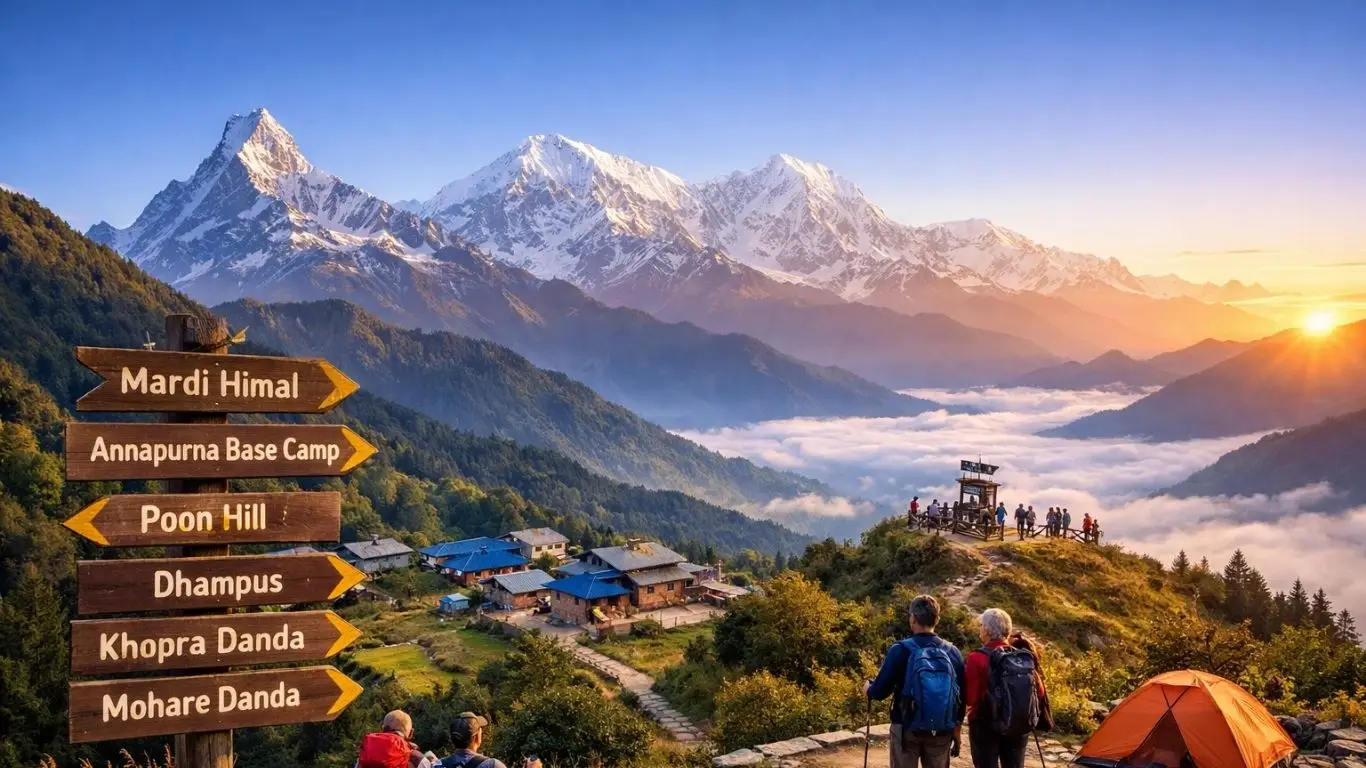
While Poon Hill is the most famous viewpoint in the region, it isn’t the only one. Trekkers looking for quieter alternatives often choose Khopra Danda or Mohre Danda. Both of these viewpoints offer stunning Himalayan panoramas with fewer crowds.

However, if you’re short on time and trekking in Nepal for the first time, Poon Hill remains the best choice. The infrastructure is better, the trail is easier, and the sunrise experience is iconic. Later, if you return to Nepal for another trek, you can always try Khopra Danda or Mohre Danda for something different.


Who Should Choose the Ghorepani Poon Hill Trek?


The beauty of this trek is that it’s suitable for almost everyone. Here’s who would enjoy it the most:

1. First-time trekkers: If you’ve never trekked before, this is the perfect introduction.

2. Families: Many families bring children along since the trek is safe and manageable.

3. Travelers with limited time: With just 3–5 days, you can still get a true Himalayan experience.

4. Photographers: The sunrise from Poon Hill is one of the most photographed moments in Nepal.

5. Budget travelers: It’s one of the most affordable treks you can do in the Annapurna region.


Tips to Make the Most of Your Poon Hill Trek


1. Start your day early: The climb to Poon Hill for sunrise usually starts around 4:30 AM, so prepare warm clothes and a headlamp.

2. Pack light: Since the trek is short, avoid overpacking. Essentials like warm layers, a water bottle, and snacks are enough.

3. Stay hydrated: Even though altitude isn’t a huge issue, drinking enough water keeps your energy levels up.

4. Take your time on the steps: The trail includes hundreds of stone steps—pace yourself and enjoy the journey.

5. Bring cash: Teahouses rarely accept cards, so carry enough Nepali rupees for meals and accommodation.


Conclusion

The Himalayas are filled with incredible trekking routes, but not all of them are suitable for everyone. Ghorepani Poon Hill stands out as the best short trek in Nepal because it combines everything: majestic mountain views, cultural richness, a safe altitude, and a magical sunrise, into just a few days of trekking.

If you’ve always wanted to experience trekking in Nepal but don’t have weeks to commit, the Poon Hill trail is your perfect gateway to the Himalayas. Whether you’re a beginner, a family, or simply someone who wants an affordable adventure, this trek promises memories that will stay with you forever.

So, lace up your boots, grab your backpack, and get ready for one of the most rewarding short treks you’ll ever take. The sunrise at Poon Hill is waiting for you!


Frequently Asked Questions (FAQs):


Q: How high is Poon Hill?

A: Poon Hill sits at an altitude of 3,210 meters (10,531 feet) above sea level. It’s high enough to give you incredible panoramic views of the Annapurna and Dhaulagiri ranges.


Q. How long is the Poon Hill Trek?

A: The Ghorepani Poon Hill trek usually takes 3 to 5 days, depending on your route and pace. Most trekkers choose a 4-day itinerary, which gives enough time to enjoy the sunrise at Poon Hill and explore villages like Ghorepani and Ghandruk. The total trekking distance is around 40–50 kilometers (25–30 miles).


Q: What is the difficulty of the Poon Hill Trek?

A: The Poon Hill trek is considered an easy-to-moderate trek. The trail does include a lot of stone steps, especially on the climb up to Ghorepani, but it’s very manageable for beginners and even families with children. Since the maximum altitude is only 3,210m, the risk of altitude sickness is very low. With a basic level of fitness and steady pacing, most people can complete the trek without major difficulties.


Q: How far is Poon Hill from Pokhara?

A: Poon Hill is located about 40 kilometers (25 miles) from Pokhara in straight-line distance, but the actual trekking route covers around 40–50 kilometers (25–30 miles) depending on your itinerary. To get there, most trekkers take a short drive from Pokhara to Nayapul or Hile, which is the common starting point of the Ghorepani Poon Hill trek.


Aubrey Sacco

Aubrey Sacco | A Missing Girl in the Langtang Valley Trek

19/08/2025

In the spring of 2010, a young American woman named Aubrey Sacco set out on what should have been an inspiring journey through Nepal’s breathtaking Langtang Valley. Aubrey had already explored parts of South Asia and was known for her adventurous spirit, love of yoga, and passion for travel. She wanted to end her trip with a trek through the stunning landscape of Langtang National Park.

But Aubrey never returned. She vanished without a trace, leaving behind a mystery in Nepal’s trekking history. Despite multiple investigations, global media coverage, and tireless efforts from her family, the case of Aubrey Sacco remains unsolved. 


Who Was Aubrey Sacco?

Aubrey Caroline Sacco was born and raised in Colorado, USA. She had a magnetic personality and a creative soul. After completing her degree in psychology and art from the University of Colorado, she traveled extensively, spending time in Sri Lanka and India before heading to Nepal.

Her passion for adventure, art, and spirituality defined her. She practiced yoga, painted, and often spoke about “glittering the world” with positivity. Friends and family remember her as fearless yet compassionate, someone who sought to connect with people and cultures everywhere she went.

It was this adventurous drive that led her to Langtang Valley, a region nestled north of Kathmandu and popular for peaks like Lirung, cultural treasures such as Kyanjin Gompa, and scenic side trips including Yala Peak.


Aubrey’s Trek into Langtang Valley

In April 2010, Aubrey began her solo trek in Langtang National Park. She was well-prepared and had experience traveling alone in Asia. Her plan was to complete the Langtang Valley trek, which typically takes about 7–10 days, depending on pace and side trips.

Along the way, trekkers pass through dense forests, suspension bridges, waterfalls, and traditional Tamang villages. The trail climbs gradually toward Kyanjin Gompa, one of the spiritual highlights of the region, and offers incredible views of Lirung, a snow-capped giant that towers over the valley.

Aubrey checked in at Lama Hotel, a common stop on the route. That was the last confirmed sighting of her. Some villagers initially reported seeing her leave, but later retracted their statements. From that point forward, Aubrey Sacco disappeared, her fate still unknown.


The Disappearance That Shocked the Trekking World

When Aubrey failed to return or make contact, her family grew concerned and launched an intensive search effort. The U.S. Embassy, Nepalese authorities, private investigators, and even the Nepalese army were involved at different stages. Helicopters scoured the valley, and ground teams interviewed locals.

Yet despite months of searching, there was no trace, no belongings, no confirmed sightings, no remains. It was as if she had vanished into the mountains.

Her disappearance was particularly alarming because the Langtang Valley trek was considered safe, especially compared to more remote routes like Dolpo or Makalu. Trekkers frequented the area, and the trail was well-marked.

This absence of evidence sparked multiple theories, some plausible, others chilling.


Theories and Speculations

Several explanations have circulated over the years, each adding to the mystery:

Accident or Natural Causes

One theory is that Aubrey may have slipped on the trail or fallen into the river. The Langtang region is prone to landslides, steep cliffs, and unstable paths. However, such accidents usually leave behind belongings or tracks—none were found.

Crime or Foul Play

In 2013, two men were arrested in Nepal on suspicion of involvement in Aubrey’s disappearance. Reports claimed they had confessed to harming her, but the confessions were weak, and they were released after 28 days. Some locals suggested that Aubrey may have been attacked, but no physical evidence supported this.

Other Theories

Over the years, darker rumors have circulated—from suggestions of cult activity to ritual sacrifices. These theories are mostly speculation and lack credible support, but they reflect how deeply Aubrey’s disappearance unsettled the community.

Despite all these possibilities, no single theory has provided closure.


The Langtang 2015 Earthquake: Adding to the Mystery

After five years of Aubrey vanished, another tragedy struck Langtang again. In April 2015, a powerful 7.8-magnitude earthquake struck Nepal, triggering massive avalanches that brought down an entire section of the mountainside, including giant boulders and snow, in the Langtang Valley. The entire village was wiped out, and hundreds of lives were lost. In this tiny Langtang Valley village, 243 lives were lost: 175 villagers, 27 local tourism staff such as guides and porters, and 41 foreign trekkers.

The disaster reshaped the landscape, making it nearly impossible to uncover old evidence or remains. Some speculated that if Aubrey’s body had been hidden in the terrain, the earthquake might have buried any trace forever.

At the same time, the tragedy of the world is Langtang’s resilience. Locals rebuilt trails and villages, and the Langtang Valley trek reopened to trekkers, symbolizing the community’s strength in the face of hardship.


Aubrey’s Family and Their Relentless Search

For Aubrey’s parents, Paul and Connie, the search never truly ended. They traveled repeatedly to Nepal, pressured authorities, and even hired independent searchers.

Paul channeled his grief into creativity by producing a 14-song album titled Finding Aubrey. Some songs included recordings Aubrey herself had made before leaving for Nepal. Proceeds went toward continuing the investigation.

Connie, meanwhile, criticized the lack of advanced search techniques in Nepal, such as the use of dogs or forensic teams. Her frustration mirrored a conversation about safety standards in the trekking industry.

Even today, the Sacco family holds out hope for answers, though the passing years make it difficult to imagine.


Lessons for Trekkers in Langtang and Beyond

Aubrey’s story sparked global awareness about trekking safety, especially for solo travelers. Nepal government eventually announced restrictions on solo trekking in some regions, requiring foreigners to hire licensed guides or porters.

Here are key lessons travelers can learn from her case:

Avoid trekking alone: Even experienced hikers face risks in remote areas.

Hire local guides: They know the terrain, culture, and emergency protocols.

Register your itinerary: Inform Park offices and keep the family updated.

Be cautious of trust: While most locals are incredibly hospitable, always prioritize safety.

Respect the environment: Weather, terrain, and altitude can change rapidly.

Important: These precautions don’t just apply to Langtang National Park but to trekking anywhere in the Himalayas.


Why Aubrey’s Story Still Matters?

Aubrey Sacco’s disappearance continues to haunt the trekking world because it blends tragedy, mystery, and lessons for the future. Her case reminds us that even in the age of GPS and smartphones, the mountains remain wild and unpredictable.

Her legacy also lives on in the determination of her family and the conversations her story sparked about safety, preparedness, and respect for the Himalayas.

Every trekker who passes through Kyanjin Gompa in Langtang, gazes at Lirung, or sets out for Yala Peak, unknowingly walks in the shadow of Aubrey’s mystery.


Conclusion

The story of Aubrey Sacco is not just about a young woman who vanished; it’s about the fragility of adventure, the unpredictability of nature, and the resilience of those left behind. Her disappearance remains one of the most puzzling unsolved mysteries of trekking in Nepal.

If you are planning to explore the Langtang Valley, prepare carefully, hire local guides and porters, respect the trails, and honor those who came before. Aubrey’s spirit reminds us to tread lightly, live fully, and never underestimate the power of the nature and mountains.


Bhutan Cultural Tour: Explore Festivals, Monasteries & Traditional Heritage

Bhutan Cultural Tour: Explore Festivals, Monasteries & Traditional Heritage

18/08/2025

The moment you land in Bhutan, life feels slower, simpler, and somehow richer. Unlike most destinations where culture sits behind glass displays, Bhutan’s traditions live in the streets, monasteries, and even in everyday meals.

Beyond its breathtaking landscapes, Bhutan stands out as one of the world’s most culturally rich destinations. A Bhutan cultural tour offers more than sightseeing. It’s about stepping into a living museum of traditions, spirituality, and common values that have remained strong for centuries.


What Makes a Bhutan Cultural Tour Special?

While many destinations have rapidly modernized, Bhutan has taken a different path. Bhutan has intentionally preserved its culture. Instead of chasing GDP only, Bhutan follows the philosophy of Gross National Happiness (GNH), which balances progress with cultural and spiritual well-being.

On a Bhutan cultural tour, you don’t just see attractions. You immerse yourself in local life. You see monks chanting inside ancient temples, people wearing traditional clothes, and families celebrating age-old festivals by singing and dancing. Every aspect of life in Bhutan connects back to Buddhism and respect for nature.


Festivals of Bhutan – Where Culture Comes Alive

To experience Bhutan at its liveliest, visit during a Tsechu Festival. Hosted in monasteries and dzongs (fortresses), these festivals burst with color, dance, and spiritual energy, giving you a true taste of Bhutanese culture at its best.

1. Paro Tsechu is one of the most famous festivals in Bhutan. It is celebrated for 5 days and typically falls in the spring months of March or April. Locals and visitors gather to watch the masked dance (Cham dance) that tells Buddhist stories. This is regarded as the holiest festival among the Tsechu festivals. The energy, colors, and music create a spiritual yet festive atmosphere.

2. Thimphu Tsechu is another 3-day major religious festival held in Thimphu, Bhutan. It is a major cultural and social event featuring masked dances, religious ceremonies, and traditional music. This festival takes place in the courtyard of Tashichho Dzong, the fortress-monastery. It attracts thousands of people from across the country, all dressed in their traditional clothes.

These festivals are more than performances. They are deeply religious events meant to bring blessings, protect against evil, and strengthen the community. They offer an unmatched window into Bhutanese life for travelers.


Monasteries and Spiritual Landmarks

A cultural tour of Bhutan is incomplete without exploring its monasteries, which are both spiritual centers and architectural gems.

1. Tiger’s Nest Monastery (Paro Taktsang): Located on the cliff of the upper Paro valley, this monastery is Bhutan’s most iconic site. Hiking up to Tiger’s Nest is an adventure in itself. You will feel deep spiritual energy here that makes it so special.

2. Punakha Dzong: This is also known as the Palace of Great Happiness. A stunning fortress-monastery situated at the confluence of the Pho Chhu and Mo Chhu rivers in Punakha, Bhutan. It is one of the oldest and second-largest dzongs in Bhutan. It has played an important role in Bhutan’s history and is still a center for religious and cultural ceremonies.

3. Trongsa Dzong: This sprawling monastery-fortress is the largest dzong fortress, located in Trongsa in Trongsa district in Bhutan. It offers incredible views and insights into Bhutan’s medieval past. It is an administrative building that serves as the headquarters of the government of Trongsa.


Each monastery reflects Bhutan’s devotion to Buddhism, where the quiet chants of monks and the swirl of colorful prayer flags create a serene atmosphere. Visiting them feels like stepping into a living tapestry of faith woven into every corner of daily life.


Bhutan Traditional Clothes: A National Identity

One of the most striking aspects of Bhutanese culture is its dress. Unlike many countries, Bhutan requires its citizens to wear traditional clothes in public institutions, schools, and during festivals.

1. For men, the Gho is a knee-length robe tied with a belt called a kera.

2. For women, the Kira is a long, ankle-length dress paired with a jacket called a toego.

These clothes aren’t just clothes; they're symbols of national pride. You’ll notice that people wear them with elegance, especially during festivals and official gatherings. You can even try them on, offering a hands-on cultural experience.


Bhutan Language & Cultural Heritage

The official Bhutan language is Dzongkha, which literally means “the language of the fortress.” While English is widely used in schools and government offices, Dzongkha remains central to Bhutan’s identity.

Language plays an important role in preserving Bhutanese traditions. It connects generations and keeps history alive through proverbs, songs, and Buddhist texts. Travellers may not master it in a short period, but learning a few greeting words like “Kuzuzangpo La”, which means “hello”. This can go a long way in building warm connections.


Bhutan Cuisine – A Journey of Flavors

Food is another way to experience Bhutanese culture. Unlike the mild flavors in many Asian cuisines, Bhutanese cuisine is famous for its spiciness. Chilies aren’t just an optional ingredient; they’re a main dish.

1. Ema Datshi (chili and cheese stew) is Bhutan’s national dish and a must-try.

2. Phaksha Paa (pork with red chilies) and Jasha Maroo (spicy chicken stew) offer hearty flavors.

3. Vegetarian dishes are also common, often made with fresh vegetables and buckwheat from the highlands.

Meals in Bhutan are more than nourishment; they’re communal experiences. Sitting cross-legged, sharing food, and enjoying local butter tea make dining a cultural moment in itself.


Exploring Thimphu: The Capital of Bhutan

Your Bhutan cultural tour is incomplete without visiting Thimphu, the capital city of Bhutan. Thimphu blends tradition with modernization. It’s the largest city in the country, located in the western interior of Bhutan. There are no traffic lights here. Instead of traffic lights, traffic police direct cars with hand signals. It’s the city of numerous Buddhist sites.

Top cultural highlights in Thimphu include:

1. Memorial Chorten: A stupa dedicated to Bhutan’s third king. Locals gather here daily for prayer and reflection.

2. Buddha Dordenma Statue: One of the largest Buddha statues in the world, overlooking the city.

3. Local markets: Where you can shop for handicrafts, textiles, and even try Bhutan cuisine.

Thimphu gives you a closer look at how Bhutan balances cultural preservation with gradual modernization.


Why Choose a Bhutan Cultural Tour?

Many travelers visit countries for landscapes and adventure. Bhutan offers those, too, but what sets it apart is its culture. You are not just a separator here, you’re a participant. You join locals in prayer, share meals, and witness traditions that have been passed down for centuries.

A Bhutan cultural tour ensures you experience:

1. Authenticity – Culture untouched by mass tourism.

2. Spiritual depth – A chance to reflect and reconnect.

3. Community values – Traditions that emphasize harmony and respect.

If you’re seeking more than just a vacation, Bhutan is the perfect destination for you.


Practical Tips for Planning Your Bhutan Cultural Tour

To make the most of your journey, here are some practical travel tips:

1. Best time to visit: Spring (March–May) and autumn (September–November) are ideal, especially for festivals.

2. Visa and permits: All foreign visitors need a visa, which can be arranged through licensed Bhutanese tour operators. Certain regions may also require special permits.

3. Daily tariff: Bhutan has a unique travel system where visitors pay a daily package rate, which covers accommodation, meals, and a licensed guide. This system helps maintain sustainable tourism.

4. Respect traditions: When visiting monasteries, dress modestly, remove your shoes, and avoid pointing at religious objects.

Planning ahead not only makes your trip smoother but also helps you show respect for Bhutan’s rich culture and traditions.


Conclusion

Bhutan is not just a trip destination. It’s full of cultural treasures. Every part of this Himalayan kingdom tells a story, from vibrant festivals and sacred monasteries to colorful traditional clothes, flavorful cuisine, and the unique language. You’ll find traditions that feel timeless yet alive.

A Bhutan cultural tour is more than travel; it’s an immersion into a way of life that values happiness, spirituality, and heritage above everything else. If you are looking for a journey that enriches both mind and soul, Bhutan is calling!

Explore Bhutan’s vibrant festivals, ancient monasteries, and timeless traditions with Nepal Boundary Trekking, guided by our experienced local expert, Mr. Yogesh Kuwar, having 10+ years of Experience in trekking and tours.


Frequently Asked Questions (FAQs):


Q: Was Bhutan a part of the Qing dynasty?

A: No, Bhutan was never formally part of the Qing dynasty. While it had occasional diplomatic relations and border interactions with the Qing rulers of China, Bhutan has historically maintained its independence as a sovereign kingdom.


Q: What is Bhutan known for?

A: Bhutan is known for its stunning Himalayan landscapes, vibrant festivals, ancient monasteries, unique culture, Gross National Happiness philosophy, and well-preserved traditions, including colorful traditional clothes and spicy cuisine.


Q: Where is Paro, Bhutan?

A: Paro is a scenic town in western Bhutan, famous for its airport, the iconic Tiger’s Nest Monastery (Paro Taktsang), and its historic dzong. It serves as a popular starting point for cultural tours and trekking adventures.


Q: How to get to Bhutan?

A: The easiest way to get to Bhutan is by air. Druk Air and Bhutan Airlines operate flights from major cities like Kathmandu, Delhi, and Bangkok to Paro International Airport. Overland travel is possible from India through designated border points with proper permits.


Q: Where is Bhutan Situated?

A: Bhutan is a landlocked country in South Asia, located in the Eastern Himalayas. It is bordered by China to the north and India to the south, east, and west.


Q: How to get to Bhutan?

A: Travelers can reach Bhutan by booking flights to Paro from cities like Kathmandu, Delhi, or Bangkok, or via overland entry from India at official border points with required permits. Air travel is the most popular and convenient option.