Blog
The Truth About High Altitude: A Guide’s Honest Advice on Beating Mountain Sickness

The Truth About High Altitude: A Guide’s Honest Advice on Beating Mountain Sickness

24/07/2026

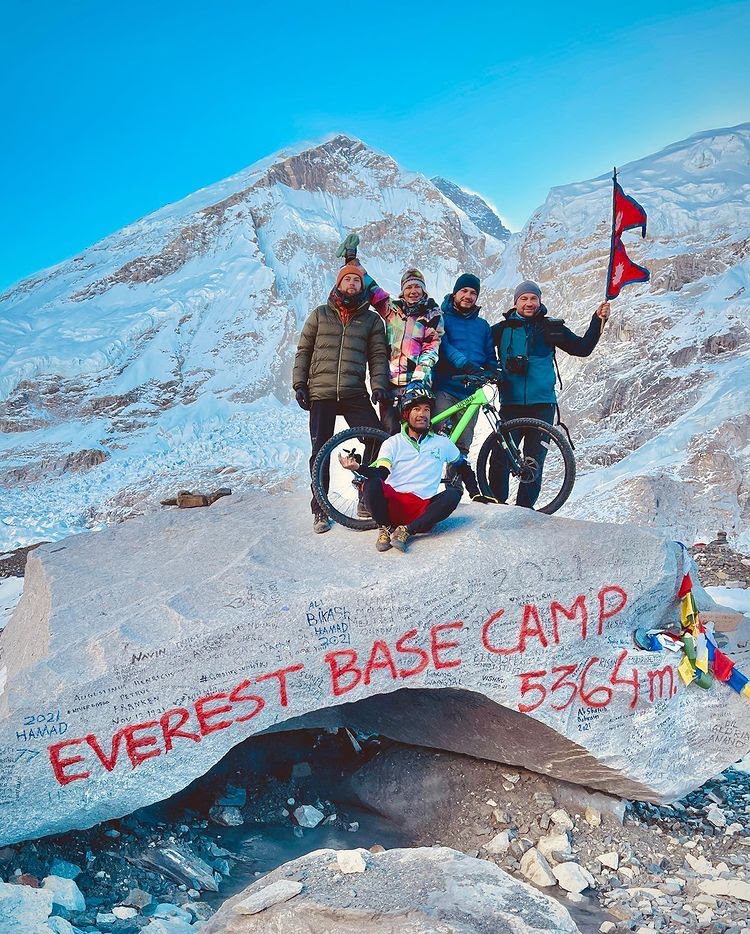
Almost every trekker I speak to asks the exact same question before they even pack their bags. They want to know what happens if they get sick in the mountains. It is the elephant on the trail. This fear looms much larger in people's minds than the physical challenge of the hike itself. Honestly, it is a perfectly valid concern. When looking up information on altitude sickness Nepal trekking forums are filled with terrifying stories, confusing medical jargon, and conflicting advice.

Having guided over thousand trekkers across the high passes of Nepal, Bhutan, and Tibet over the last 12+ years, I have seen it all. I have watched how the mountain affects different bodies. Here is the hard truth that usually surprises people. Acute Mountain Sickness AMS does not care about your fitness level. It does not care about your age, and it certainly does not care how many marathons you have run back at sea level.

The good news is that this condition is entirely manageable. If you respect the mountain, listen carefully to your body, and follow a few non-negotiable rules on the trail, the elevation simply becomes part of the adventure. You do not have to suffer to reach Base Camp.

What Actually is AMS?

Before we talk about how to prevent altitude sickness while trekking in Nepal, we need to clear up the biggest misconception about it.

People often think there is simply less oxygen in the mountains. Technically, the percentage of oxygen in the air at Everest Base Camp is exactly the same as it is at the beach. It sits right around 21 percent. The real culprit is barometric pressure. As you climb higher into the Himalayas, the atmospheric pressure drops significantly. The air becomes thinner, meaning the oxygen molecules are spread much further apart.

With every breath you take, you are pulling fewer oxygen molecules into your lungs than you normally would. Imagine trying to breathe through a narrow straw while walking up a long flight of stairs. Your body has to work twice as hard to get the fuel it needs to power your muscles.

To compensate for the thinner air, your body needs time to manufacture more red blood cells. These cells carry that limited oxygen more efficiently throughout your system. That physiological process of adapting is called acclimatization.

Usually, the human body handles this transition perfectly fine up to about 2,500 meters or 8,200 feet. For context on the Everest BaseCamp trek, this is right around the time you face the massive, winding hill leading up to Namche Bazaar. Above this specific threshold, if you hike up the trail faster than your body can create those new red blood cells, you start feeling the effects of the elevation.

Can a Fit Person Get Altitude Sickness in the Himalayas?

This is a question I hear on almost every single trip. The short answer is yes. In fact, highly fit people often get sick faster than average hikers.

Why does this happen? Fit people are used to pushing through pain. They have great cardiovascular endurance, so they tend to walk very fast on the lower sections of the trail. However, climbing a mountain is not a race. When you push your heart rate too high, you demand more oxygen than the thin air can provide. Meanwhile, the slower, older trekkers are taking their time. They allow their bodies to slowly adjust to the changing pressure.

Fitness helps you carry your backpack, but it does absolutely nothing to speed up how fast your blood adapts to low pressure. Leave your competitive spirit at home.

The Guide’s 4 Golden Himalayan Acclimatization Rules

After more than a decade of leading expeditions, I have developed a strict set of Himalayan acclimatization rules. These align perfectly with the latest Wilderness Medical Society guidelines, but they are tested on the actual dirt of the trail.

1.    The 300 to 500 Meter Rule for Acclimatization

What is the 300 to 500 meter rule for acclimatization? It is the absolute golden rule of high-altitude trekking. Once you reach an elevation of 3,000 meters, you should never increase your sleeping elevation by more than 300 to 500 meters in a single day.

Notice that I said "sleeping elevation." You can hike up a massive 800-meter hill during the day, but you must come back down to sleep. Furthermore, for every 1,000 meters of elevation you gain, you must take a full rest day. We build these buffer days into every single itinerary at Nepal Boundary Trekking Agency. If an agency tries to sell you a rushed 10-day Everest Base Camp trek, run the other way. They are playing a dangerous game with your health.

2.    The Climb High Sleep Low Method

This technique goes hand in hand with the rule above. The climb high sleep low method is exactly what it sounds like. On your designated rest days, you do not just sit in the teahouse. Instead, we take a short hike to a higher elevation, spend an hour drinking tea, and then walk back down to our lower camp to sleep.

For example, when we stay in Namche Bazaar, we will hike up to the Everest View Hotel. The air is thinner up there, which triggers your body to produce more red blood cells. Then, we drop back down to Namche to sleep in richer, thicker air. This gives your body the stress it needs to adapt, followed by the recovery environment it needs to rest.

3.    High Altitude Trekking Hydration

How much water to drink at high altitude? You need to aim for a minimum of 3 to 4 liters every single day.

High altitude trekking hydration is crucial because the mountain air is incredibly dry. Every time you exhale, you lose moisture. Furthermore, as your body acclimatizes, you naturally breathe heavier and urinate more frequently. Dehydration thickens your blood, making it much harder for your heart to pump oxygen to your brain and muscles.

I always tell my clients to check their urine. If it is clear, you are doing a great job. If it is dark yellow, you need to stop and drink a full liter immediately. We strongly recommend drinking plain water, green tea, or garlic soup.

4.    Ditch the Ego and Avoid Sedatives

The most dangerous thing you can bring to the mountains is your ego. Hiding a headache from your guide is a terrible idea. We are not going to force you down the mountain for a mild headache, but we do need to monitor it.

Additionally, you must avoid alcohol and sleeping pills entirely. Sleeping pills are respiratory depressants. They slow down your breathing while you sleep, which is the exact opposite of what your body needs to do to acclimatize. You might have weird dreams or wake up frequently, but this is a normal part of the process.

What is the Difference Between Normal Fatigue and AMS?

When you walk uphill for six hours with a backpack, you are going to feel tired. Your legs will ache, and you might get a mild headache from the sun. This is completely normal fatigue.

So, how do you tell the difference? The key is how your body responds to rest and hydration. If you arrive at the teahouse, drink a liter of water, take a paracetamol, and your headache vanishes, you are just tired. If the headache persists and feels like a severe hangover, you are moving into dangerous territory.

Symptoms of Mountain Sickness

You must be honest with yourself and your guide about the early symptoms of mountain sickness. They typically include:

  • A persistent, throbbing headache that painkillers do not fix.
  • Nausea or a complete loss of appetite.
  • Dizziness or feeling lightheaded when standing up.
  • Extreme fatigue that prevents you from eating or socializing.

If you have these symptoms, the rule is simple. Do not go up until the symptoms go down. We will simply stay at our current elevation for an extra night until your body catches up.

HACE and HAPE Warning Signs

If mild AMS is ignored and a trekker continues to ascend, it can develop into two life-threatening conditions. High Altitude Cerebral Edema HACE is swelling of the brain. High Altitude Pulmonary Edema HAPE is fluid in the lungs.

The HACE and HAPE warning signs are absolute red flags.

  • For HACE: The trekker will lose coordination. They might walk like they are drunk and struggle to walk in a straight line. They will also become confused or irrational.
  • For HAPE: The trekker will experience extreme breathlessness even while resting. You might hear a rattling sound in their chest, or they might cough up pink, frothy sputum.

If a guide sees any of these signs, the trek stops immediately. There is no waiting until morning. We organize a descent right away, even in the middle of the night.

Diamox for High Altitude Trekking: Magic Pill or Myth?

Many trekkers ask me about using Diamox for high altitude trekking. The generic name for this medication is Acetazolamide.

Diamox is not a magic cure, and it does not mask symptoms. Instead, it is a preventative medication that artificially speeds up your breathing rate, helping your body acclimatize faster. The standard dosage is 125 milligrams twice a day, starting 24 hours before you reach high altitude.

While it is highly effective, it does have side effects. You will need to urinate frequently, and you will likely feel a strange tingling sensation in your fingers and toes. I always recommend that my clients consult their doctor back home before their trip. Diamox is an excellent tool, but it never replaces the golden rules of gradual ascent and proper hydration.

The Ultimate Cure is Always Descending

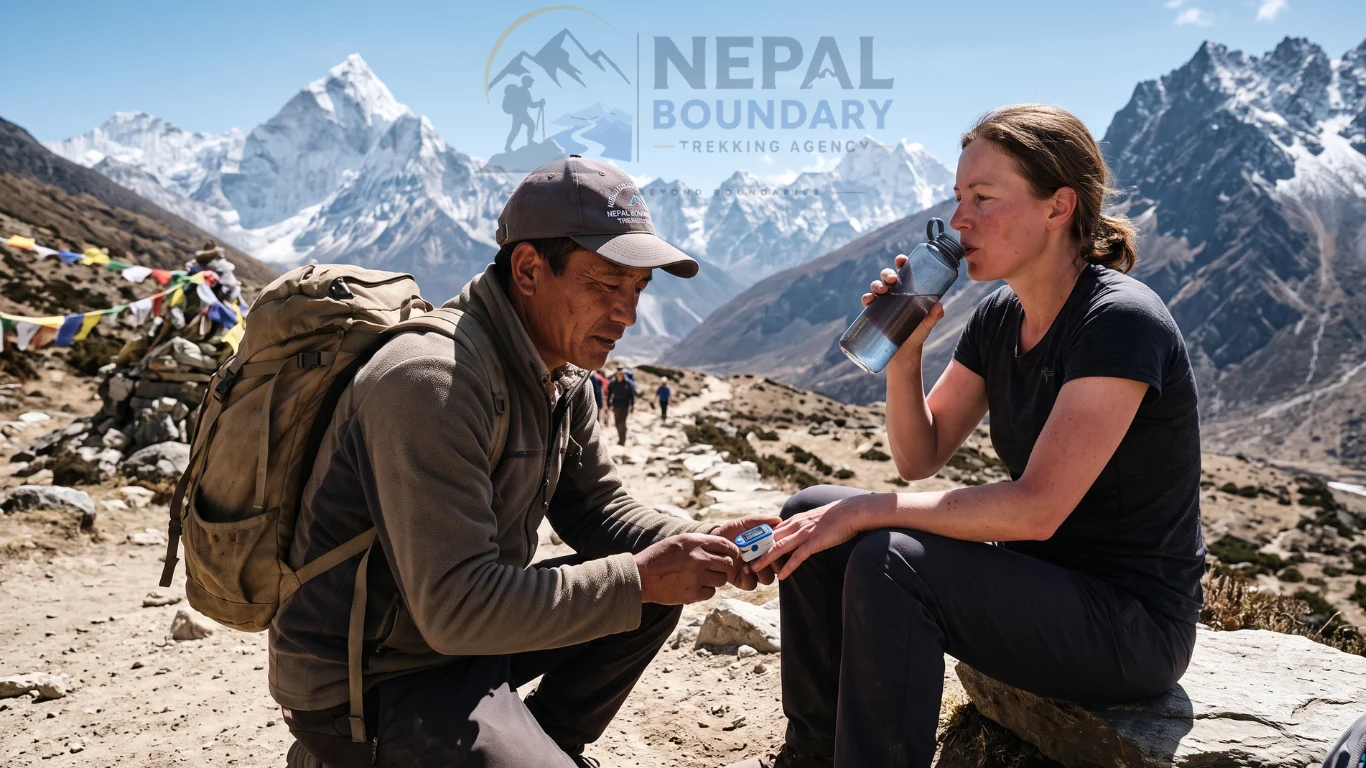
We carry oximeters to check your oxygen levels, our guides are trained in advanced wilderness first aid, and we always carry comprehensive medical kits. However, no medication in the world can replace the only true cure for altitude sickness.

If your symptoms progress from mild to moderate, the absolute best treatment is to descend. Dropping your elevation by just 300 to 500 meters provides almost instant relief. At Nepal Boundary Trekking Agency, we never push our clients for the sake of a tight schedule. The mountain has been there for millions of years, and it will be there next year.

The Himalayas are meant to be enjoyed, not merely survived. By choosing an itinerary with built-in acclimatization days, walking slowly, and communicating openly with your guide, you set yourself up for absolute success. The high passes are spectacular, and with the right pace, you will be able to take in every single view with a clear head and a strong body.

Everest Base Camp Trek From Usa

Everest Base Camp Trek From USA (2026 Guide): Flights, Costs, Permits, and More

06/07/2025

So, you’re thinking about trekking to Everest Base Camp from the US? Great choice, this is one of those once-in-a-lifetime adventures that you’ll talk about forever. Whether you are planning a solo trip, with friends, or considering a guided group, you have come to the right place.


With my 12+ years of experience in the trekking and travel industry, I’ve created this guide to help you plan your Everest Base Camp adventure from the USA with confidence, clarity, and zero guesswork.


This guide by Nepal Boundary Trekking walks you through everything you need to know — from choosing the best time to trek, to booking your local guide, getting permits, and traveling from the USA to Nepal.

✈️ Step 1: Book Your Flight from the USA to Nepal


Alright, let's start with the basics, getting into Nepal. There are no direct flights from the USA to Nepal, but you can easily connect via Doha, Dubai, or Delhi.

    Most Common Routes:

        New York (JFK) → Doha → Kathmandu

        Los Angeles (LAX) → Dubai → Kathmandu

        Chicago (ORD) → Delhi → Kathmandu


Pro Tip: Try to land in Kathmandu at least 1-2 days before your trek. Trust me, you’ll need a day or two to rest, adjust to the altitude, and sort out any last-minute preparation before heading to the mountains.


📅 Step 2: Best Time to Trek Everest Base Camp


If you’re coming from the US, you probably want great weather, stunning views, and fewer chances of flight delays. The best seasons to trek are:


    Spring: March to May

    Autumn: September to November

Both offer clear skies, stable weather, and breathtaking views of the Himalayas.


📋 Step 3: Trek Permits You’ll Need


As a US citizen, you need:

    TIMS Card ( Trekker's Info Management System)

    Sagarmatha National Park Permit

    Khumbu Pasang Lhamu Rural Municipality Permit

Don’t worry — Nepal Boundary Trekking Agency handles all permits for you.


🧭 Step 4: Choose the Right EBC ( Everest Base Camp) Trek Itinerary


Our most popular Everest Base Camp trek from Kathmandu is 12–14 days, including acclimatization.


Sample Itinerary:

    Day 1: Fly to Lukla, trek to Phakding

    Day 2–3: Namche Bazaar (acclimatization)

    Day 4–8: Trek through Tengboche, Dingboche, Lobuche

    Day 9: Everest Base Camp

    Day 10–12: Return to Lukla

    Day 13: Fly back to Kathmandu


🏕️ Step 5: Food & Accommodation


    Tea houses with twin rooms are available throughout the trail.

    Meals include dal bhat, pasta, noodles, soup, eggs, etc.

    And yes, we ensure clean, safe, and comfortable lodges every night. You'll burn thousands of calories during trekking, so you will definitely eat and sleep well.


💰 Cost of Everest Base Camp Trek from the USA


You will find different costs online. At Nepal Boundary Trekking, our goal is to keep it affordable, transparent, and worth every penny with no hidden costs. 

Price:

USD 1,350 per person (based on 2–4 people)

  ✅ Includes:

       1. Flights to/from Lukla

       2. Permits

       3. Guide & porter

       4. Accommodation & meals on trek

       5. Airport transfers


🎒 What to Pack (USA Travelers)


Packing smart = a smoother trek. You’ll get a detailed list once you book, but here’s a quick checklist:

   ✅ Down jacket (can be rented in Kathmandu)

   ✅Trekking boots (break them in before!)

   ✅ Layers: fleece, thermals, t-shirts

   ✅ Gloves, hat, sunglasses

   ✅ Personal medicine & toiletries

   ✅ Full packing list provided once you book.

Bonus: We’ll help you rent or buy anything you’re missing once you land in Kathmandu.


💬 Support Before You Arrive


We know it’s a big trip, especially flying halfway across the world. That’s why we’re here to make it easy and stress-free. Here’s what you get with us:


   ✅ Free pre-trip consultation on WhatsApp

   ✅ Airport pickup from Kathmandu

   ✅ Gear rental support

   ✅ Last-minute hotel booking help


📲 Ready to Book Everest Base Camp Trek from the USA?


Thousands of American trekkers choose Nepal every year, and with Nepal Boundary Trekking Agency, you get local expertise, professional guides, and full support from day one.

    📩 Message us directly on WhatsApp to plan your Everest trek:
           Direct contact or WhatsApp +9779808908284
    🌐You can book from our website here: Book Now Everest Base Camp Trek (12-14 days)

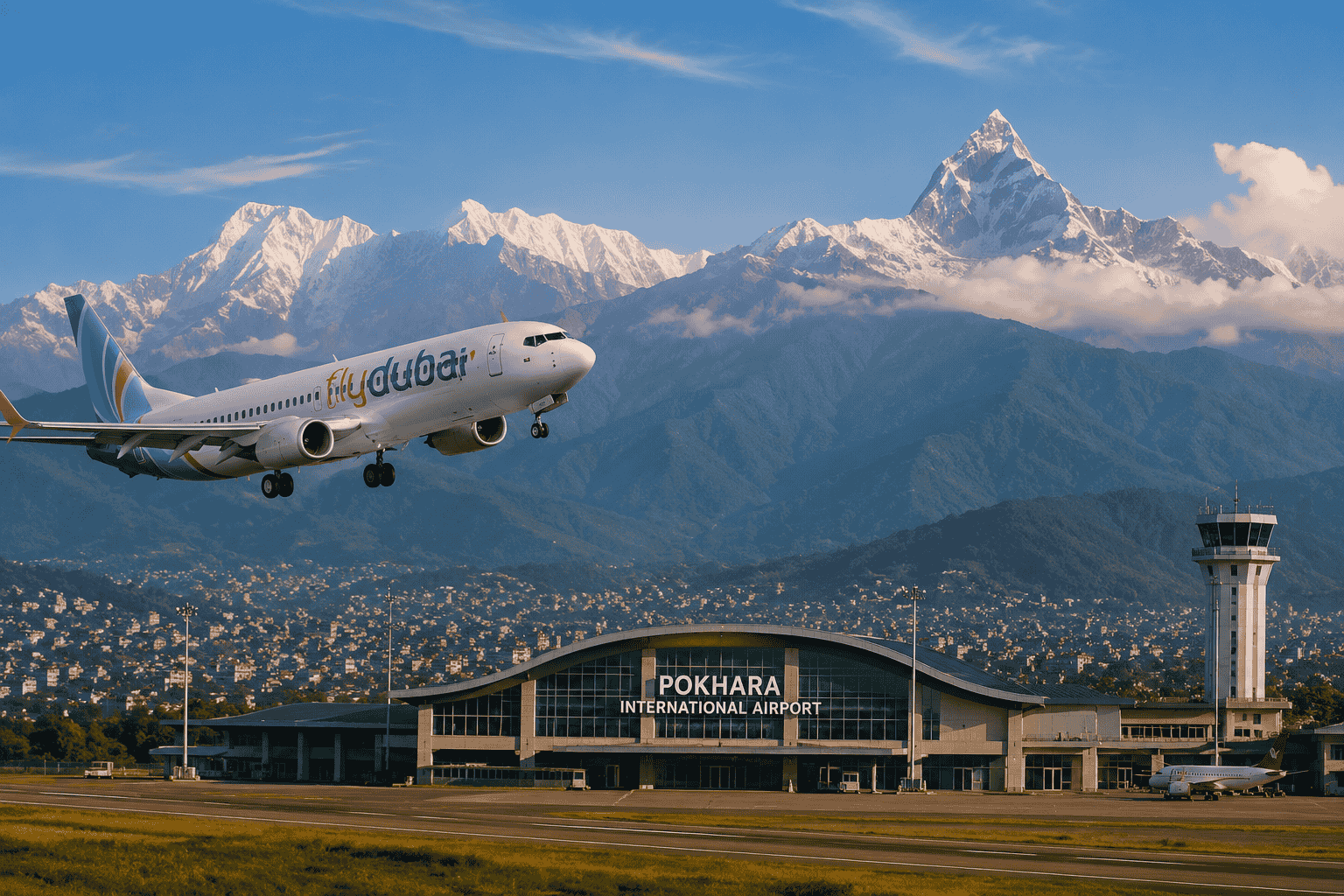
Direct flydubai flight arriving at Pokhara international Airport with Machhapuchhre and Annapurna Mountain

Direct Dubai to Pokhara Flight: A New Getway to the Annapurna Region

22/07/2026

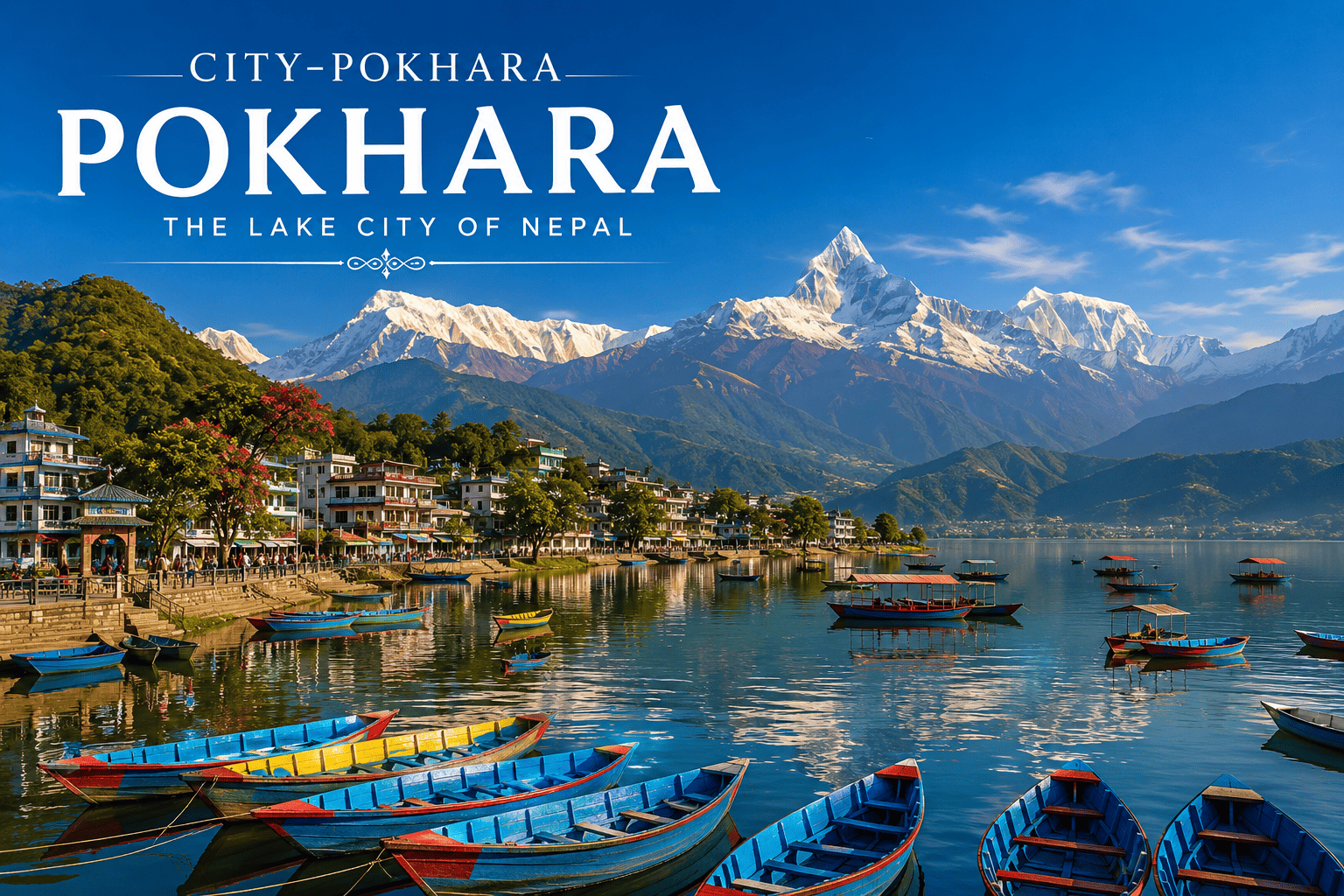
Nepal has reached another important milestone in tourism with the launch of direct international flights between Dubai and Pokhara. This new air connection makes it easier for travelers from the Middle East and around the world to visit Nepal. With Dubai serving as a major international transit hub, many visitors can now enjoy more convenient connections to Pokhara and the Annapurna region.


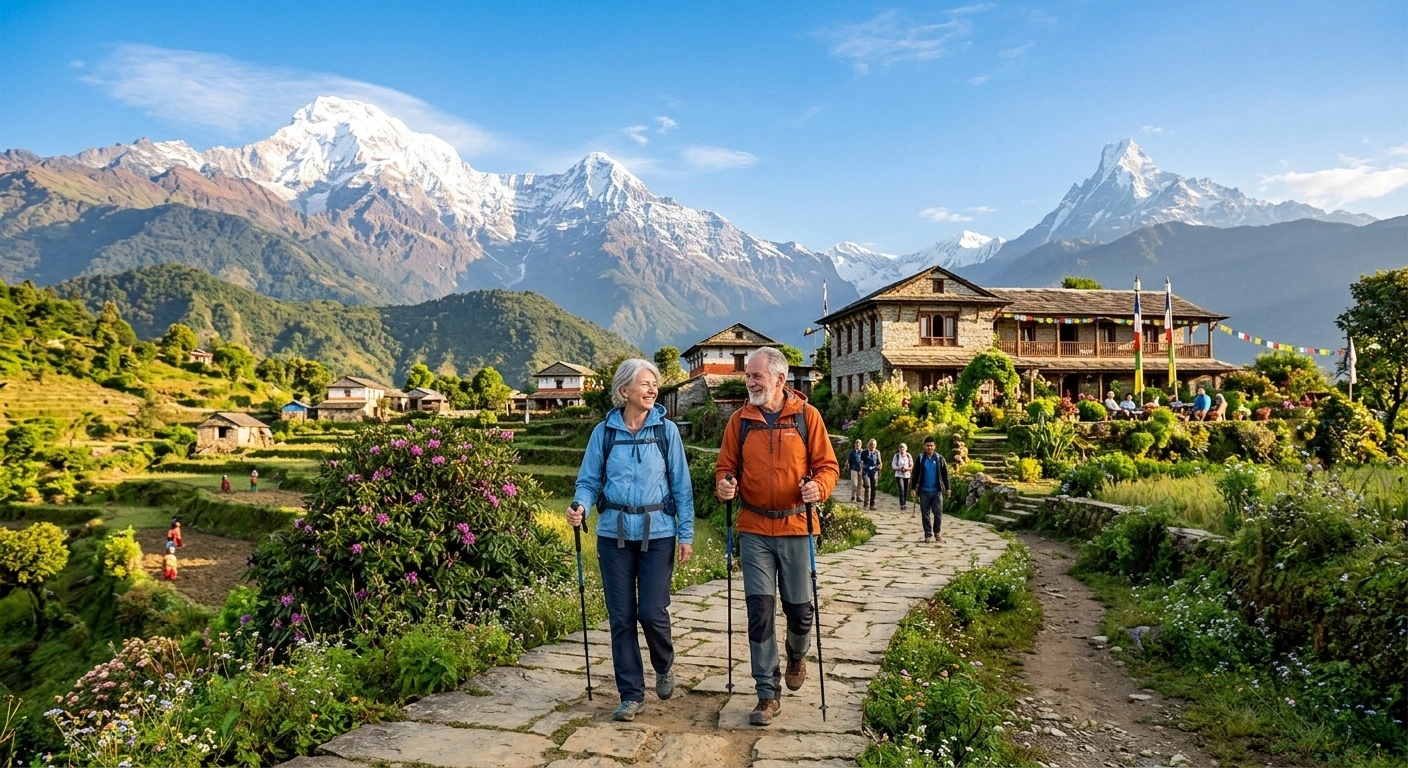
For adventure lovers, Pokhara is the gateway to Nepal's most famous trekking routes, including the Annapurna Base Camp Trek, Annapurna Circuit Trek, Mardi Himal Trek, Khopra Ridge Trek, Khumai Danda Trek, and Ghorepani Poon Hill Trek. Nepal Boundary Trekking provides experienced local guides and customized trekking packages to help you explore the Himalayas with confidence.


At Nepal Boundary Trekking Agency Pvt. Ltd., we welcome this exciting development as it gives travelers greater flexibility when planning their holidays in Nepal. Our experienced local guides offer personalized trekking experiences, airport transfers, accommodation arrangements, trekking permits, and complete support throughout your journey.


Whether you are planning your first Himalayan adventure or returning to explore more of Nepal, the new international connection to Pokhara makes reaching the mountains easier than ever.


If you are planning an Annapurna trek or any other adventure in Nepal, our team is ready to help you create a safe, memorable, and unforgettable journey.


Contact Nepal Boundary Trekking today to start planning your Himalayan adventure.


Travel Insurance for Trekking in Nepal Complete Guide

Do You Need Travel Insurance for Trekking in Nepal? Complete 2026 Guide

21/07/2026

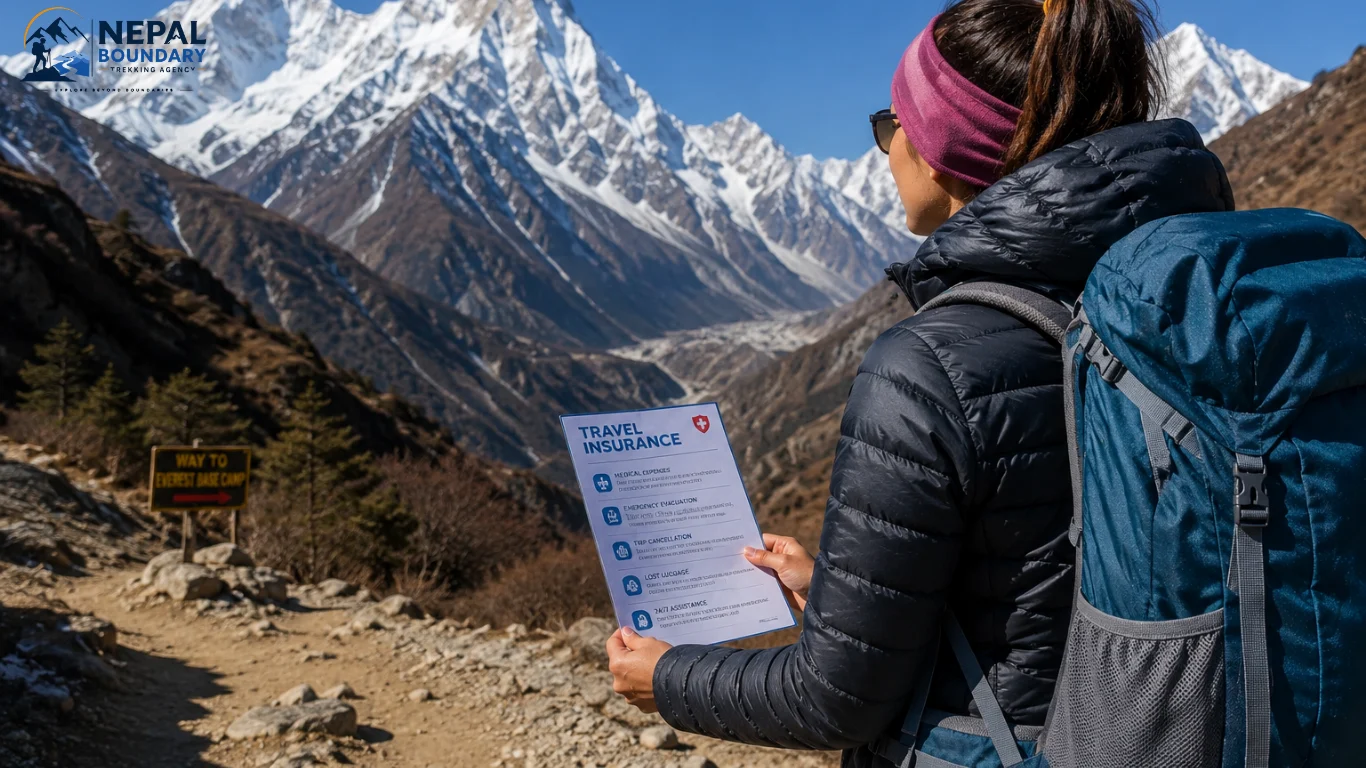
Planning a trek in Nepal is exciting, but many travelers ask one important question before booking their adventure: Do you need travel insurance for trekking in Nepal? The simple answer is yes.

Although travel insurance is not legally required for every trekking route in Nepal, it is highly recommended. Trekking in the Himalayas comes with unique challenges, including high altitude, changing weather, and remote mountain trails. A good insurance policy can protect you from unexpected medical expenses, emergency helicopter evacuation, trip cancellations, and other travel disruptions.

Before you begin the Everest Base Camp Trek, Annapurna Base Camp Trek, Langtang Valley Trek, or any other Himalayan adventure, make sure you have the right Nepal trekking insurance. It protects you against unexpected situations and allows you to focus on enjoying the incredible journey

Is Travel Insurance Mandatory for Trekking in Nepal?

Travel insurance is not compulsory for most trekking routes in Nepal. However, many trekking agencies strongly recommend it before starting your trek. Some remote trekking regions and expedition-style adventures may also require proof of insurance before issuing permits or confirming bookings.

Even if it is not mandatory, trekking without insurance is a risk that many experienced trekkers choose to avoid. Medical emergencies in remote mountain areas can become expensive, especially when helicopter evacuation is needed.


Why Every Trekker Should Have Travel Insurance

The Himalayas offer unforgettable experiences, but they also present risks that you may not face during a normal holiday. Good travel insurance for Nepal helps you prepare for situations that are beyond your control.

Here are some common situations where insurance becomes valuable:

  • Emergency medical treatment
  • High altitude illness
  • Helicopter evacuation
  • Trip cancellation or interruption
  • Flight delays
  • Lost or delayed baggage
  • Personal accidents

Instead of worrying about unexpected costs, you can focus on enjoying the mountains.

What Should Your Trekking Insurance Cover?

Not every travel insurance policy covers trekking in Nepal. Before purchasing a plan, carefully read the policy details.

Your trekking insurance Nepal policy should include the following:

High-Altitude Trekking Coverage

Many standard travel insurance policies only cover activities below certain elevations. Since popular treks such as Everest Base Camp reach 5,364 meters, your insurance should specifically include high-altitude trekking.

Always check the maximum altitude covered by your policy before traveling.

Emergency Medical Expenses

Medical treatment in Kathmandu may be affordable compared to many countries, but emergency treatment in remote mountain regions can become expensive.

Your insurance should cover:

  • Doctor consultations
  • Hospital treatment
  • Emergency medication
  • Medical transportation

Helicopter Rescue

One of the most important features of helicopter rescue insurance Nepal is emergency evacuation.

If you suffer severe altitude sickness, injuries, or other medical emergencies, helicopters are often the fastest and safest way to reach medical care.

Without insurance, helicopter rescue can cost several thousand US dollars depending on the location and weather conditions.

Trip Cancellation and Delays

Bad weather frequently affects domestic mountain flights in Nepal. Insurance that covers trip delays or cancellations can reduce unexpected financial losses if your itinerary changes.

Lost or Delayed Baggage

Losing trekking gear before your adventure can create unnecessary stress. Travel insurance often helps cover essential replacement items while your luggage is delayed.

Does Travel Insurance Cover Altitude Sickness?

Altitude sickness is one of the biggest concerns for trekkers in Nepal.

However, not every insurance policy automatically covers altitude-related illnesses. Some companies exclude claims above certain elevations, while others require additional adventure activity coverage.

If you are trekking to Everest Base Camp, Annapurna Circuit, Manaslu Circuit, or other high mountain destinations, choose a policy that specifically covers altitude sickness and emergency evacuation.

Does Insurance Cover Helicopter Rescue in Nepal?

This is one of the most common questions travelers ask. In many cases, yes. However, coverage depends entirely on your insurance policy. Before purchasing travel insurance, make sure it clearly states that it covers:

  • Emergency helicopter evacuation
  • Search and rescue
  • Medical evacuation
  • High-altitude trekking

Always carry your insurance information during your trek so guides and rescue teams can quickly coordinate assistance if necessary.

What Happens If You Trek Without Insurance?

Many trekkers complete their journey without any problems. However, accidents and medical emergencies can happen unexpectedly.

Without insurance, you may have to pay for:

  • Emergency helicopter evacuation
  • Hospital treatment
  • Additional accommodation
  • Transportation
  • Flight changes

These expenses can quickly become much higher than the cost of purchasing a quality travel insurance policy.

Insurance Requirements for Popular Treks

Different trekking routes have different challenges. Choosing suitable insurance depends on your destination.

Everest Base Camp Trek

Travel insurance for Everest Base Camp should include:

  • High-altitude trekking above 5,000 meters
  • Emergency helicopter evacuation
  • Medical treatment
  • Trip interruption

Because Everest Base Camp reaches over 5,300 meters, proper coverage is essential.

Annapurna Base Camp Trek

Annapurna trekking insurance should include high-altitude medical coverage, evacuation, and emergency assistance. Although this trek is lower than Everest Base Camp, altitude sickness can still affect trekkers.

Annapurna Circuit Trek

The Annapurna Circuit crosses Thorong La Pass at over 5,400 meters. Your insurance should cover trekking at this altitude along with emergency evacuation.

Langtang Valley Trek

Although the Langtang region is closer to Kathmandu, many sections remain remote. Good travel insurance provides extra security if medical assistance becomes necessary.

Manaslu Circuit Trek

The Manaslu Circuit is a restricted area trek with challenging terrain. Comprehensive insurance is highly recommended because medical facilities are limited in remote villages.

How Much Insurance Coverage Do You Need?

Coverage requirements vary depending on your trek, but your policy should comfortably cover:

  • Emergency medical treatment
  • Helicopter evacuation
  • Hospital expenses
  • Personal accidents
  • Trip interruption

Instead of choosing the cheapest policy, compare what each plan actually covers. A slightly higher premium can provide significantly better protection.

How to Choose the Right Travel Insurance

Choosing the right policy is easier when you know what to look for.

Before purchasing insurance, ask yourself these questions:

  • Does it cover trekking above my maximum altitude?
  • Does it include helicopter evacuation?
  • Are adventure activities covered?
  • Does it include medical expenses?
  • Are trip delays and cancellations included?
  • Is emergency assistance available 24/7?

Reading the policy carefully before your trip can prevent unexpected surprises later.

Conclusion

So, do you need travel insurance for trekking in Nepal? Absolutely.

Although it may not be legally required for every trekking route, it is one of the smartest investments you can make before your Himalayan adventure.

From altitude sickness and unexpected injuries to helicopter rescue and travel disruptions, the right insurance policy provides valuable financial protection throughout your journey.

If you're planning the Everest Base Camp Trek, Annapurna Base Camp Trek, Langtang Valley Trek, or another Himalayan adventure, choosing suitable travel insurance for Nepal trekking gives you peace of mind and helps you enjoy every step of your journey.

Beautiful mountain landscape featuring remote trekking trails in Eastern Nepal with panoramic Himalayan views

Hidden Treks in Eastern Nepal: Explore Nepal's Best Kept Himalayan Secrets

08/07/2026

Eastern Nepal is one of the most beautiful yet least explored trekking regions in the Himalayas. While thousands of travelers head to Everest Base Camp and the Annapurna region every year, the eastern part of Nepal offers a different experience. Here, you will find peaceful trails, traditional mountain villages, untouched forests, and breathtaking views without the crowds.

If you enjoy nature, adventure, and authentic cultural experiences, Eastern Nepal trekking should be on your travel list. From the remote valleys near Mount Kanchenjunga to the scenic ridges of the Mundum Trail, every route offers something unique. You can walk through rhododendron forests, cross high mountain passes, discover rich biodiversity, and meet welcoming local communities that have preserved their traditions for generations.

Another reason these trails stand out is the sense of solitude. Instead of sharing the path with large trekking groups, you can enjoy quiet mornings, peaceful landscapes, and uninterrupted mountain views. This slower pace allows you to connect with nature and experience the Himalayas in a more meaningful way.

Why Choose Eastern Nepal for Trekking?

Eastern Nepal remains one of the country's best kept secrets. Although it is home to some of the world's highest mountains, including Kanchenjunga and Makalu, the region attracts far fewer visitors than Nepal's popular trekking destinations.

Experience Less Crowded Trails

Many trekkers prefer quiet routes where they can enjoy nature without busy tea houses or crowded viewpoints. Hidden treks in Eastern Nepal provide exactly that. You can walk for hours through forests, alpine meadows, and mountain villages while enjoying the peaceful surroundings.

Discover Authentic Local Culture

Eastern Nepal is home to several ethnic communities, including the Rai, Limbu, Sherpa, and Bhote people. As you travel through their villages, you'll experience warm hospitality, traditional homes, local festivals, and unique cuisines. These cultural encounters make every trek even more memorable.

Enjoy Incredible Mountain Views

The region offers spectacular views of Kanchenjunga, Makalu, Chamlang, Jannu, and several other Himalayan peaks. Sunrise and sunset over these snow covered mountains create unforgettable moments that every photographer and nature lover will appreciate.

Explore Rich Biodiversity

Eastern Nepal is also known for its diverse wildlife and protected areas. Kanchenjunga Conservation Area and Makalu Barun National Park are home to red pandas, Himalayan black bears, musk deer, snow leopards, and hundreds of bird species. During spring, colorful rhododendron forests bloom across the hillsides, adding even more beauty to the landscape.

Experience True Himalayan Adventure

Many of these routes pass through remote valleys where modern development remains limited. While the facilities are simpler than those on commercial trekking routes, the experience feels more authentic. Every day brings new landscapes, friendly villages, and a stronger connection with the mountains.

Top Hidden Treks in Eastern Nepal

Eastern Nepal offers several incredible trekking routes that deserve more attention. Whether you are looking for a challenging expedition or a peaceful cultural journey, there is a trail that matches your interests.

Kanchenjunga Base Camp Trek

The Kanchenjunga Base Camp Trek is one of the finest off-the-beaten-path treks in Nepal. It takes you to the base of Mount Kanchenjunga, the world's third highest mountain.

The journey passes through remote villages, dense forests, suspension bridges, and glacier valleys before reaching the spectacular base camp. Along the way, you'll witness dramatic landscapes and enjoy close views of towering Himalayan peaks.

This trek is ideal for experienced hikers who want to escape busy trails and experience one of Nepal's most untouched mountain regions.

Makalu Base Camp Trek

The Makalu Base Camp Trek leads you into the heart of Makalu Barun National Park, one of Nepal's richest biodiversity hotspots.

The trail combines lush forests, alpine meadows, high mountain passes, and rugged valleys. Trekkers often spot rare wildlife, including red pandas and colorful Himalayan birds.

Unlike more commercial trekking routes, Makalu Base Camp remains peaceful throughout the year. This makes it an excellent choice for travelers seeking adventure, photography, and solitude in the Himalayas.

Mundum Trail Trek

The Mundum Trail is quickly becoming one of the most exciting hidden treks in Eastern Nepal. Unlike high-altitude expeditions, this route focuses on culture, rolling hills, and panoramic mountain views.

The trail passes through Rai villages where visitors can experience local traditions, music, and cuisine. Along the journey, you'll enjoy sweeping views of Everest, Makalu, Kanchenjunga, and several other Himalayan peaks.

Since the route reaches a moderate altitude, it is suitable for trekkers with average fitness who want an authentic cultural experience without extreme climbing.

Arun Valley Trek

The Arun Valley Trek offers one of the most diverse trekking experiences in Nepal. The route follows the beautiful Arun River while passing through forests, terraced farmland, and traditional villages.

Because the valley lies between the Everest and Makalu regions, trekkers enjoy a unique mix of landscapes and cultures. The peaceful environment and natural beauty make this trek perfect for those who prefer quieter adventures away from the popular tourist routes.

Milke Danda Trek

If you love nature and photography, the Milke Danda Trek deserves a place on your list. This scenic ridge stretches through one of Nepal's largest rhododendron forests. During spring, the hills come alive with colorful blooms, creating a spectacular landscape.

Besides the flowers, the trail offers panoramic views of Kanchenjunga, Makalu, Everest, and several other Himalayan peaks. Since very few tourists visit this region, you can enjoy the peaceful environment while exploring charming mountain villages and dense forests.

The Milke Danda Trek is ideal for travelers looking for a moderate adventure that combines natural beauty with cultural experiences.

Timbung Pokhari Trek

The Timbung Pokhari Trek takes you to a sacred alpine lake surrounded by dramatic mountain scenery. Located in the Taplejung district, this hidden destination remains one of the least explored trekking routes in Nepal.

The journey passes through forests, waterfalls, remote settlements, and high-altitude meadows before reaching the beautiful lake. During the trek, you can enjoy impressive views of Mount Kanchenjunga and other snow-covered peaks.

Because the trail sees very few visitors, it offers a peaceful trekking experience for those who want to escape the crowds and discover Nepal's untouched landscapes.

Pathibhara Trek

The Pathibhara Trek combines natural beauty with spiritual significance. The trail leads to the famous Pathibhara Temple, one of Nepal's most respected pilgrimage sites.

Both pilgrims and trekkers visit this destination to enjoy its peaceful atmosphere and breathtaking mountain views. On clear days, you can see Kanchenjunga, Makalu, and many surrounding Himalayan ranges.

The trek is relatively short compared to other routes in Eastern Nepal, making it a great choice for travelers with limited time who still want to experience the region's beauty and culture.

Lumba Sumba Pass Trek

The Lumba Sumba Pass Trek is one of the most adventurous and remote trekking routes in Nepal. It connects the Kanchenjunga and Makalu regions through high mountain passes, glacier valleys, and untouched wilderness.

This challenging trek offers everything an experienced adventurer could ask for. You'll cross suspension bridges, hike through ancient forests, explore isolated villages, and witness stunning Himalayan landscapes throughout the journey.

Since the route passes through remote areas, you will experience authentic local hospitality and discover cultures that have remained unchanged for generations. If you are searching for a true off-the-beaten-path trek in Nepal, Lumba Sumba Pass should be at the top of your list.

Best Time to Visit Hidden Treks in Eastern Nepal

Choosing the right season can make your trekking experience safer and more enjoyable. Although some routes remain accessible throughout the year, spring and autumn offer the best conditions.

·       Spring (March to May): Spring is one of the most popular trekking seasons in Eastern Nepal. The weather stays pleasant, the skies are usually clear, and rhododendron forests bloom across the hillsides. Mountain views are excellent during this season, making it perfect for photography and long trekking days.

·       Autumn (September to November):  Autumn is considered the best season for Eastern Nepal trekking. After the monsoon, the air becomes fresh and visibility improves significantly. Trekkers can enjoy comfortable temperatures, stable weather, and crystal-clear views of Kanchenjunga, Makalu, and other Himalayan peaks.

·       Winter (December to February): Winter offers quiet trails and beautiful snow-covered landscapes. However, temperatures can drop well below freezing at higher elevations, and some mountain passes may become difficult to cross. Experienced trekkers who prepare properly can still enjoy a rewarding winter adventure.

·       Monsoon (June to August): Heavy rainfall during the monsoon season makes many trails muddy and slippery. Landslides and leeches can also affect trekking conditions in lower elevations. Unless you have previous trekking experience and flexible travel plans, it is generally better to choose another season.

Permits Required for Eastern Nepal Trekking

Before starting your journey, make sure you have the necessary permits. The exact requirements depend on the trekking route you choose.

Some of the common permits include:

  • Kanchenjunga Conservation Area Permit (KCAP)
  • Makalu Barun National Park Entry Permit
  • Restricted Area Permit for selected trekking routes
  • Local municipality or rural municipality entry fees where applicable

Several restricted trekking areas also require you to travel with a licensed guide. Booking your trip through an experienced trekking company helps ensure that all permits and travel arrangements are completed correctly before your adventure begins.

Difficulty Level of Hidden Treks in Eastern Nepal

Hidden treks in Eastern Nepal range from easy cultural walks to demanding high-altitude expeditions.

Easy to Moderate Treks

Routes such as the Pathibhara Trek and Mundum Trail are suitable for beginners with a reasonable level of fitness. These treks involve moderate daily walking while offering excellent mountain views and cultural experiences.

Moderate Treks

The Milke Danda Trek and Arun Valley Trek require several days of hiking across varied terrain. They are ideal for trekkers with some prior hiking experience.

Challenging Treks

The Kanchenjunga Base Camp Trek, Makalu Base Camp Trek, and Lumba Sumba Pass Trek demand good physical fitness, careful preparation, and previous trekking experience. These routes include high elevations, long walking days, and remote mountain environments.

Wildlife and Culture of Eastern Nepal

Eastern Nepal is not only famous for its mountains but also for its incredible biodiversity and vibrant local cultures.

Protected areas such as Kanchenjunga Conservation Area and Makalu Barun National Park provide habitats for rare wildlife, including red pandas, Himalayan black bears, musk deer, snow leopards, and hundreds of bird species.

Equally rewarding are the cultural experiences along the trails. Many villages are home to Rai, Limbu, Sherpa, and Bhote communities, each with its own traditions, festivals, architecture, and local cuisine.

As you walk through these villages, you'll experience genuine hospitality and gain a deeper understanding of life in Nepal's remote Himalayan regions. Respecting local customs, supporting community-owned tea houses, and practicing responsible trekking help preserve these unique cultures for future generations.

Packing Tips for Hidden Treks in Eastern Nepal

Packing the right gear can make your trekking experience safer and more comfortable. Since many hidden trekking routes in Eastern Nepal pass through remote areas, it is important to prepare well before your journey.

Here are some essential items to include in your backpack:

  • Comfortable trekking boots with good ankle support
  • Warm layers, including a fleece jacket and a waterproof outer shell
  • Moisture-wicking clothing for changing weather conditions
  • Sleeping bag suitable for cold temperatures
  • Trekking poles for steep ascents and descents
  • Reusable water bottle or hydration bladder
  • Water purification tablets or a portable water filter
  • Sunscreen, sunglasses, and a wide-brim hat
  • Personal first aid kit and any necessary medications
  • Power bank, headlamp, and extra batteries
  • Snacks and energy bars for long trekking days

Keep your backpack as light as possible while carrying all the essentials. A well-packed bag makes long walking days much more enjoyable.

Why Trek with Nepal Boundary Trekking?

Exploring remote Himalayan trails requires local knowledge, careful planning, and experienced support. Nepal Boundary Trekking helps you enjoy a safe, comfortable, and memorable adventure from start to finish.

When you choose Nepal Boundary Trekking, you benefit from:

·       Experienced Local Guides: The team understands the hidden trails, mountain weather, local culture, and trekking conditions. Their experience allows you to travel with confidence while learning more about each destination.

·       Customized Trekking Itineraries: Every traveler has different goals and fitness levels. Whether you want a challenging expedition or a relaxed cultural trek, the itinerary can be tailored to match your preferences.

·       Safety Comes First: Your safety remains the highest priority throughout the trek. The team monitors weather conditions, plans proper acclimatization, and provides professional support in remote areas.

·       Responsible and Sustainable Tourism: Nepal Boundary Trekking promotes responsible travel by supporting local communities, respecting cultural traditions, and encouraging environmentally friendly trekking practices.

·       Hassle-Free Travel Planning: From permits and transportation to accommodation and logistics, every detail is managed professionally. This allows you to focus on enjoying the incredible landscapes of Eastern Nepal.

Final Thoughts

Hidden treks in Eastern Nepal offer a side of the Himalayas that many travelers never experience. Instead of crowded trails, you'll discover peaceful valleys, remote villages, ancient forests, and breathtaking mountain scenery that feels untouched by mass tourism.

No matter which route you choose, from the spectacular Kanchenjunga Base Camp Trek and the remote Makalu Base Camp Trek to the culturally rich Mundum Trail or the adventurous Lumba Sumba Pass Trek, every journey offers unforgettable memories.

Beyond the incredible landscapes, these trails provide an opportunity to connect with local communities, experience authentic Himalayan culture, and explore some of Nepal's most pristine natural environments. Every step reveals a new perspective, making Eastern Nepal one of the country's most rewarding trekking destinations.

If you're ready to explore beyond the popular routes, Nepal Boundary Trekking is here to help you plan an unforgettable adventure. Our experienced local guides, carefully designed itineraries, and commitment to responsible tourism ensure that your journey is safe, enjoyable, and truly memorable.

Start planning your Eastern Nepal trekking adventure today and discover the hidden Himalayan trails waiting to be explored.

A solo trekker with a backpack checking a map on a scenic Himalayan trail in Nepal, surrounded by traditional prayer flags and majestic snow-capped mountains

Is Solo Trekking Allowed in Nepal in 2026? Latest Rules, Guide Requirements, and Everything

26/06/2026

Nepal is one of the most popular trekking destinations in the world. Every year, thousands of adventure travelers visit Nepal to explore famous trails like Everest Base Camp, Annapurna Base Camp, Langtang Valley, and the Manaslu Circuit.

If you are planning your first Himalayan adventure, you may be asking one important question: Is solo trekking allowed in Nepal in 2026?

The answer is yes, but it depends on where you plan to trek.

Many websites still share outdated information, which often creates confusion for international travelers. While some trekking routes require a licensed guide, others follow different permit systems and local regulations. Understanding these rules before planning your trip can save you time, money, and unexpected problems on the trail.


Can You Trek Solo in Nepal in 2026?

Yes, solo trekking is still possible in Nepal in 2026. However, it is not permitted on every trekking route.

Over the past few years, Nepal introduced new trekking regulations to improve visitor safety, reduce rescue incidents, and support licensed local guides. Because of these changes, many of the country's most popular trekking destinations now require foreign trekkers to travel with a licensed guide.

Instead of asking whether solo trekking is completely banned, it is more accurate to ask:

Which trekking regions require a guide, and where is independent trekking still possible?

The answer depends on the trekking destination and the permit system that manages that region.


Why Did Nepal Introduce New Trekking Rules?

Nepal's trekking trails pass through remote mountain valleys, high-altitude passes, glaciers, and isolated villages where emergency services are often limited.

Every year, rescue teams respond to cases involving:

  • Trekkers getting lost
  • Altitude sickness
  • Severe weather conditions
  • Medical emergencies
  • Communication problems in remote areas

To improve safety, trekking authorities introduced stricter regulations that encourage or require international trekkers to hire licensed guides.

These changes also help:

  • Improve emergency response
  • Promote responsible tourism
  • Create employment for local guides
  • Protect visitors in remote mountain regions
  • Improve the overall trekking experience


Which Trekking Regions Require a Licensed Guide?

The rules vary by trekking region. Some areas require a licensed guide, while others have different permit systems that may still allow independent trekking.

1.     Everest Region

Popular treks include:

·        Everest Base Camp Trek

·        Gokyo Lakes Trek

·        Everest Three Passes Trek

Although permit requirements differ from some other regions, many travelers choose a licensed guide for safety, navigation, and local expertise.


2.     Annapurna Region

The Annapurna region includes some of Nepal's most famous trekking routes, including:

·        Annapurna Base Camp Trek

·        Annapurna Circuit Trek

·        Mardi Himal Trek

·        Ghorepani Poon Hill Trek

Current trekking regulations should always be checked before your trip, as permit policies may change.


3.     Manaslu Circuit Trek

The Manaslu Circuit has always followed stricter regulations because it is a restricted area.

Trekkers must:

·        Travel with a licensed guide

·        Obtain restricted area permits

·        Book through a registered trekking agency

Independent trekking is not permitted here.


4.     Kanchenjunga Region

Kanchenjunga is another restricted trekking destination. International trekkers must travel with a licensed guide and obtain the required permits before entering the region.


Are There Any Exceptions?

Yes. Not every trekking destination follows the same rules.

Some trekking areas operate under local permit systems rather than the TIMS system. Because regulations continue to evolve, travelers should always verify the latest requirements before booking flights or trekking permits.

The safest approach is to confirm the current rules with a licensed trekking company before your trip.


Benefits of Hiring a Licensed Trekking Guide

Although many travelers dream of trekking completely alone, hiring a licensed guide often makes the experience safer and more enjoyable.

·       Better Safety: Guides know how to respond to altitude sickness, changing weather, and unexpected trail conditions.

·       Local Knowledge: They share the history, culture, traditions, and stories of the Himalayan communities you visit.

·       Easier Navigation: Mountain trails are not always clearly marked. A guide helps you stay on the correct route.

·       Emergency Support: If you become ill or injured, a guide can arrange transportation, communicate with rescue teams, and provide immediate assistance.

·       Stress-Free Travel: Guides help organize accommodation, permits, transportation, and daily logistics so you can focus on enjoying your trek.


What Permits Do You Need for Trekking in Nepal?

Permit requirements depend on your trekking destination.

Common permits include:

  • National Park Entry Permit
  • Conservation Area Permit
  • Restricted Area Permit
  • Local Municipality Permit
  • TIMS Card where applicable

Because permit requirements can change, always check the latest regulations before starting your trek.


Best Treks for Travelers Who Prefer Independent Adventures

If you enjoy the freedom of solo travel but also want the support of a local expert, these treks are excellent choices.

·       Everest Base Camp Trek: Nepal's most iconic trek, offering breathtaking views of Mount Everest, Sherpa villages, and unforgettable Himalayan landscapes.

·       Annapurna Base Camp Trek: A perfect combination of mountain scenery, traditional villages, forests, and diverse landscapes.

·       Langtang Valley Trek: Ideal for travelers looking for fewer crowds while enjoying spectacular mountain views and authentic Tamang culture.

·       Mardi Himal Trek: A shorter trek with incredible panoramic views, making it perfect for first-time visitors.

·       Gokyo Lakes Trek: A quieter alternative to Everest Base Camp, famous for its turquoise lakes and panoramic Himalayan viewpoints.


Safety Tips Before Trekking in Nepal

Before beginning your trek, keep these important safety tips in mind.

  • Allow enough time for acclimatization.
  • Purchase travel insurance that covers helicopter evacuation.
  • Pack proper trekking clothing and equipment.
  • Carry enough cash for remote villages.
  • Download offline maps before your trek.
  • Stay updated on weather forecasts.
  • Drink plenty of water throughout your trek.
  • Respect local customs and traditions.


Best Time to Trek in Nepal

Spring (March to May): Spring offers comfortable temperatures, blooming rhododendron forests, and excellent mountain views.

Autumn (September to November): Autumn is the most popular trekking season because of its stable weather and clear skies.

Winter (December to February): Winter provides quieter trails but colder temperatures, especially at higher elevations.

Monsoon (June to August): Heavy rainfall affects many trekking routes, although rain-shadow regions remain good options.


Conclusion

So, is solo trekking allowed in Nepal in 2026?

Yes, but the answer depends on your chosen trekking destination. While some regions still allow independent trekking under specific regulations, many of Nepal's most popular routes now require or strongly recommend trekking with a licensed guide.

Rather than limiting your experience, these regulations help create a safer and more enjoyable adventure. With the support of an experienced local guide, you can focus on exploring Nepal's breathtaking landscapes, learning about local culture, and creating unforgettable memories in the Himalayas.

Patan Durbar Square ancient temples and traditional architecture in Lalitpur Nepal

Explore Patan in 2026: History, Food, and Culture

03/05/2026

If you plan a trip to Kathmandu and want something more real, then Patan should be on your list. This city sits just a short drive away, yet it feels like a different world. Life moves a bit slower here. The streets feel crowded in the evening. Most importantly, the culture feels alive, not staged.

In this guide, you will explore Patan simply and practically. You will learn about its history, the best places to visit, what to eat, and how to experience the local culture like a traveler who truly understands the place.


History of Patan

Patan is one of the oldest cities in Nepal. People also call it Lalitpur, which means “City of Beauty.” When you walk through the streets, you will notice that beauty everywhere. It shows in the temples, in the small courtyards, and even in the windows of old houses.

Centuries ago, Malla kings ruled this city. They focused on art, religion, and architecture. Because of that, they built detailed temples, royal palaces, and public squares. These structures still stand strong today, which makes Patan a living museum.

The center of this history lies in Patan Durbar Square. This area once served as the royal palace complex. Today, it stands as a UNESCO World Heritage Site and attracts visitors from around the world.

As you walk through the square, you will see detailed wood carvings, stone statues, and metal artwork. Each piece reflects the skill of local craftsmen. Unlike modern cities, Patan does not hide its past. Instead, it proudly shows it at every step.


Top Places to Visit in Patan

Patan is compact, which makes it easy to explore on foot. Most major attractions sit close to each other, so you can enjoy a relaxed walk without rushing.

Patan Durbar Square

Patan Durbar Square is the heart of the city. You will see temples, courtyards, and old palace buildings all in one place. The atmosphere feels lively yet peaceful. Locals gather here, tourists take photos, and sometimes small cultural events take place.

Take your time here. Sit on the steps, watch people, and observe the details around you.


Krishna Mandir

Inside the square, you will find Krishna Mandir. This temple stands out because it is built entirely from stone. Most temples in Nepal use wood, so this design feels unique.

The carvings on the walls show stories from ancient Hindu texts. Even if you do not know the stories, you will still admire the craftsmanship.


Golden Temple

A short walk from the main square leads you to Golden Temple. This hidden gem sits inside a quiet courtyard.

Once you step inside, you will feel a calm atmosphere. The golden details shine softly, and the environment feels peaceful. Monks and locals come here for prayer, which adds to the spiritual feeling.


Patan Museum

If you want to understand the city deeper, visit the Patan Museum. It displays ancient art, religious items, and historical objects in a clear and simple way.

The museum does not feel boring. Instead, it tells a story. You will leave with a better understanding of Nepalese culture and craftsmanship.


Local Courtyards and Alleys

Beyond the main attractions, Patan’s real charm lies in its narrow streets and hidden courtyards. Walk without a fixed plan. Turn into small alleys. You will discover temples, local homes, and daily life happening around you.

This is where Patan feels most authentic.


Food in Patan

Food plays a big role in your Patan experience. The city is famous for Newari cuisine, which offers bold flavors and traditional cooking styles.

Newari food feels rich, slightly spicy, and very satisfying. It reflects the culture of the local Newar community.

Here are some must-try dishes:

  • Yomari: A sweet dumpling made from rice flour and filled with molasses or sesame. It tastes soft and warm, which makes it perfect as a dessert.
  • Chatamari: A thin rice base topped with egg, meat, or vegetables. It looks simple but offers great flavor.
  • Bara: A crispy lentil pancake that you can enjoy plain or with toppings like egg.

In addition, you will find many small restaurants and cafes near Patan Durbar Square. Some offer rooftop seating. You can enjoy your meal while looking at temples and old buildings. This experience feels relaxing and memorable.

If you want a deeper food experience, try a traditional Newari set meal. It includes multiple small dishes served together. This gives you a full taste of local cuisine.


Culture and Lifestyle

Patan is not just about monuments. It is about people and daily life.

Every morning, locals visit temples, light oil lamps, and offer prayers. You will hear bells ringing and see people moving quietly through rituals. These small moments show how deeply culture connects with daily life.

Festivals bring even more energy to the city:

  • Indra Jatra fills the streets with music, masked dances, and celebrations
  • Rato Machhindranath Jatra features large chariots pulled through the streets by crowds of people

During these events, Patan becomes lively and colorful. If you visit during a festival, you will experience something truly unique.

At the same time, many locals still work as artisans. You can see them carving wood, shaping metal statues, or painting religious art. They work with patience and focus. Their skills pass from one generation to the next.

Because of this, Patan feels alive. It is not a place frozen in time. Instead, it continues to grow while keeping its traditions strong.


Best Time to Visit Patan

You can visit Patan throughout the year, but some seasons offer a better experience.

Spring and autumn provide clear skies and comfortable temperatures. Walking feels easy, and you can enjoy outdoor exploration without any problem.

Winter stays mild, so it is still a good time to visit. However, mornings can feel cold.

During monsoon, rain falls often. Streets may become wet and slippery. Still, the city looks fresh and clean, which some travelers enjoy.


How to Reach Patan

Patan lies very close to Kathmandu, which makes travel simple. From Kathmandu, you can reach Patan in about 15 to 30 minutes depending on traffic.

You have several options:

  • Local buses for a budget-friendly trip
  • Taxis for comfort and convenience
  • Motorbikes, if you prefer flexibility (You can rent a bike)

Because the distance is short, many travelers visit Patan as a half-day or full-day trip.


Travel Tips for a Better Experience

To make your visit smooth and enjoyable, follow these practical tips:

·       Start your day early. The morning feels peaceful, and you can explore without crowds.

·       Carry cash. Many small shops and food places do not accept digital payments.

·       Wear comfortable shoes. You will walk a lot on stone paths.

·       Respect local traditions. Remove your shoes where required and avoid loud behavior near temples.

·       Take your time. Do not rush from one place to another. Instead, slow down and observe your surroundings.


Why Patan Stands Out

Many places offer history. Many cities offer food. However, Patan combines everything in a simple and natural way.

You will not feel overwhelmed here. Instead, you will feel connected. The city gives you space to explore, think, and enjoy small moments.

Whether you love history, food, or culture, Patan offers something meaningful. It does not try to impress with modern attractions. Instead, it wins you over with authenticity.


Conclusion

Patan offers a complete experience in a small area. You can explore ancient temples, taste local food, and observe daily life all in one day.

If you travel near Kathmandu, do not miss this city. Walk through its streets, sit in its courtyards, and enjoy its food.

In the end, Patan is not just a place you visit. It is a place you remember.

Australian Camp Trek View

Why Choose a 1 Day Trek to Australian Camp

16/04/2026

This trek is perfect if you have limited time but still want a real trekking experience. First, the trail is short and simple. You can complete it in a single day without feeling too tired. Second, the route offers great mountain views without long walking hours. Also, this trek suits and best beginners, families, and even solo travelers. If you are visiting Pokhara for a short time, this is one of the best options.


Route Details for 1 Day Australian Camp Trek

Pokhara to Kande Drive

Your journey starts from Pokhara. From here, you take a short drive to Kande.

  • Driving time: around 45 minutes to 1 hour
  • Road condition: mostly good
  • Transport options: taxi, private vehicle, or local bus

Kande is the starting point of the trek.


Kande to Australian Camp Trek

From Kande, you begin your hike towards Australian Camp.

  • Walking time: around 1.5 to 2 hours
  • Trail type: stone steps and forest path

The trail passes through small villages, green hills, and forest areas. As you go higher, the views become more open and beautiful.


Return Route Options

After spending time at Australian Camp, you can return in two ways:

  • Walk back the same route to Kande
  • Continue trekking to Dhampus and then drive back

The Dhampus route adds more village experience.


Trek Distance and Walking Time

The total walking distance is around 6 to 8 kilometers.

  • Total walking time: 3 to 5 hours
  • Add extra time for rest and photos

You can complete the trek easily within a day.


Difficulty Level

This trek is easy. Even if you are new to trekking, you can complete it without having a single problem. The trail has some uphill sections, but they are not too steep. You only need basic fitness and comfortable walking habits.


Best Time for a 1 Day Trek to Australian Camp

You can do this trek all year, but some seasons are better.

  • Spring (March to May): clear weather and blooming flowers
  • Autumn (September to November): best mountain views
  • Winter: cold but clear skies
  • Monsoon: more greenery but less visibility

For best experience, choose spring or autumn.


Mountains and Views You Can Expect

From Australian Camp, you can enjoy wide Himalayan views. You will see:

  • Annapurna range
  • Machhapuchhre (Fishtail)
  • Beautiful hills and valleys

Sunrise and sunset views look especially stunning.


Cost Breakdown for 1 Day Trek

This trek is budget-friendly.

Estimated cost:

  • Transport: NPR 1000 to 3000
  • Food: NPR 500 to 1500
  • Guide (optional): NPR 2000 to 4000

Total cost depends on your travel style.


Do You Need a Guide for This Trek

In one word, no, you don’t need a guide. You do not always need a guide for this trek. The trail is clear and easy to follow. However, a guide can help you learn more about local culture and ensure safety. If you are trekking for the first time, a guide is helpful.


What to Pack for This 1 Day Trek

Carry only light items.

  • Water bottle
  • Snacks
  • Comfortable shoes
  • Light jacket
  • Sunscreen and cap

Avoid heavy bags to keep your walk easy.


Food and Accommodation at Australian Camp

Australian Camp has small tea houses and lodges.

You can find:

  • Dal bhat
  • Noodles
  • Tea and coffee

If you want, you can also stay overnight, but most people return the same day.


Permits Required for Australian Camp Trek

You need basic trekking permits:

  • ACAP permit
  • TIMS card

You can get these permits in Pokhara before starting your trek.


Tips for a Smooth Trek Experience

  • Start early in the morning
  • Walk at a steady pace
  • Drink enough water
  • Check the weather before leaving
  • Wear comfortable clothes

These simple tips make your trek more enjoyable.


Who Should Do This Trek

This trek is ideal for:

  • Beginners
  • Families
  • Solo travelers
  • Travelers with limited time

Anyone can enjoy this short and easy trek with awesome nature and mountain views.


Australian Camp vs Other Short Treks Near Pokhara

·       Australian Camp vs Dhampus: Australian Camp offers better wide mountain views, while Dhampus gives more village experience.

·       Australian Camp vs Sarangkot: Sarangkot is famous for sunrise views, but Australian Camp offers a more complete trekking experience.

Dhampus Trek

Is Dhampus Trek Worth It in 2026?

23/04/2026

The Dhampus Trek is one of the easiest and most beautiful short treks in the Annapurna region. It starts near Pokhara, which makes it perfect for travelers who want a quick Himalayan experience without long travel days. First, you begin your walk from Kande and slowly climb toward Australian Camp at 2,055 meters. Along the way, you pass through small villages, green hills, and peaceful forest trails. Once you reach the top, you can enjoy a stunning sunset over the mountains, which feels truly unforgettable. After an overnight stay, you return the next day with fresh memories and amazing photos.

On the other hand, if you have more time, you can choose the longer three-day version of the Dhampus Trek. This route covers around 41 kilometers and takes you deeper into the countryside. As you walk, you will pass traditional farming villages, terraced fields, and quiet forest ridges. The trail finally ends at Bhumdi, giving you a complete loop experience. What makes this trek special is its easy access and moderate difficulty. Even better, you can enjoy wide views of the Annapurna Range and Dhaulagiri Range without going to high altitude, so it suits beginners and casual trekkers very well.


What is Dhampus Trek Really Like in 2026?

Dhampus Trek is a short and easy trekking route near Pokhara. It takes you through small villages, green hills, and peaceful forests. The highlight is Dhampus village, which offers stunning views of Annapurna and Machhapuchhre (Fishtail Mountain).

In 2026, the trek is still beginner-friendly and well-managed. Trails are improved, local lodges are active, and the route feels safe for solo and group travelers.

Most people complete this trek in 1 to 2 days, which makes it perfect for travelers with limited time in Nepal.


Why Dhampus Trek is Worth It

Dhampus Trek gives you a complete Himalayan experience in a short time. Here is why many travelers still choose it.

1. Easy Access from Pokhara

You do not need long travel days. You can start the trek within a short drive from Pokhara. This saves both time and money.

2. Stunning Mountain Views

On a clear day, you can see Annapurna range and Machhapuchhre very clearly. Sunrise and sunset views feel magical from Dhampus village.

3. Perfect for Beginners

You do not need trekking experience. The trail is simple and does not require technical skills. Even first-time trekkers enjoy it easily.

4. Short Yet Rewarding

Unlike long treks that take weeks, Dhampus gives a quick mountain experience. This makes it ideal for tight travel schedules.


Things You Should Know Before Going

Every trek has some limits, and Dhampus is no exception.

1. Short Duration

If you want a long adventure, this trek may feel too short. It is more of a soft trekking experience.

2. Weather Matters

Cloudy weather can block mountain views. So, planning your trip in clear seasons is important.

3. Basic Facilities

Lodges are simple but comfortable. Do not expect luxury services in most villages.


Dhampus Trek Cost in 2026

Your overall experience depends on how you plan your trek. Some travelers go simple and explore on their own, while others prefer a guided trip for more comfort and ease.

If you choose a guided option, it usually covers everything you need for a smooth journey. This often includes a professional guide, meals during the trek, transportation to and from the starting point, and accommodation in local lodges.

On the other hand, independent trekkers enjoy more flexibility. They can choose where to stay, what to eat, and how fast to walk. This style suits travelers who like freedom and basic adventure.


Who Should Do Dhampus Trek?

This trek is a great match for:

  • First-time trekkers in Nepal
  • Families with children
  • Solo travelers looking for safety and ease
  • Travelers with limited time
  • People who want mountain views without long hikes

If you want extreme adventure or high-altitude challenges, then other treks may suit you better.


Best Time to Visit Dhampus Trek

Timing plays a big role in your experience.

·       Spring (March to May): Clear skies, blooming flowers, and great visibility.

·       Autumn (September to November): Best season overall with stable weather and sharp mountain views.

·       Winter (December to February): Cold but peaceful. Views are often clear.

·       Monsoon (June to August): Not recommended due to rain and cloudy conditions.


Dhampus Trek Route Overview

Most travelers follow this simple route:

Pokhara → Phedi → Australian Camp → Dhampus Village → Return to Pokhara

The trail includes gentle climbs, forest paths, and open viewpoints. You do not face difficult terrain, which keeps the journey enjoyable.


Conclusion

In short, yes, Dhampus Trek is absolutely worth it in 2026 if you want a short, easy, and scenic Himalayan experience. It gives you real mountain views, local village culture, and peaceful nature without requiring weeks of travel. However, it is not meant for hardcore trekkers looking for extreme adventure.

So, if you want a simple and refreshing trek near Pokhara, Dhampus Trek still remains one of the best choices in Nepal. You can also contact us for better planning of your trek and also for an expert guide who can guide you in your whole journey of Dhampus Trek at Nepal Boundary Trekking Agency Pvt. Ltd.

Trekking group with Himalayan Mountain in the background

Trekking in Nepal 2026: Best Treks, Seasons, Tips and More

01/08/2025

Why Trekking in Nepal?

Namaste! I'm Yogesh Kunwar, founder of Nepal Boundary Trekking. For the past 12+ years, I've spent my life walking the trails of Nepal, covering over 10,000+ kilometers across the Himalayas. From Everest Base Camp to the hidden valleys of Dolpo, I’ve seen it all. What makes a trek unforgettable? It’s not just the mountains,  it’s the people, the culture, the stories, and those little unexpected moments on the trail.

This blog isn’t written from behind a desk, it's built on real-life adventures. So if you're planning to go trekking in Nepal in 2026, or even just dreaming about it, here’s everything you need to know to make it amazing.


🏞️ Top 5 Treks in Nepal (2026)

1. Everest Base Camp Trek (12–14 Days)


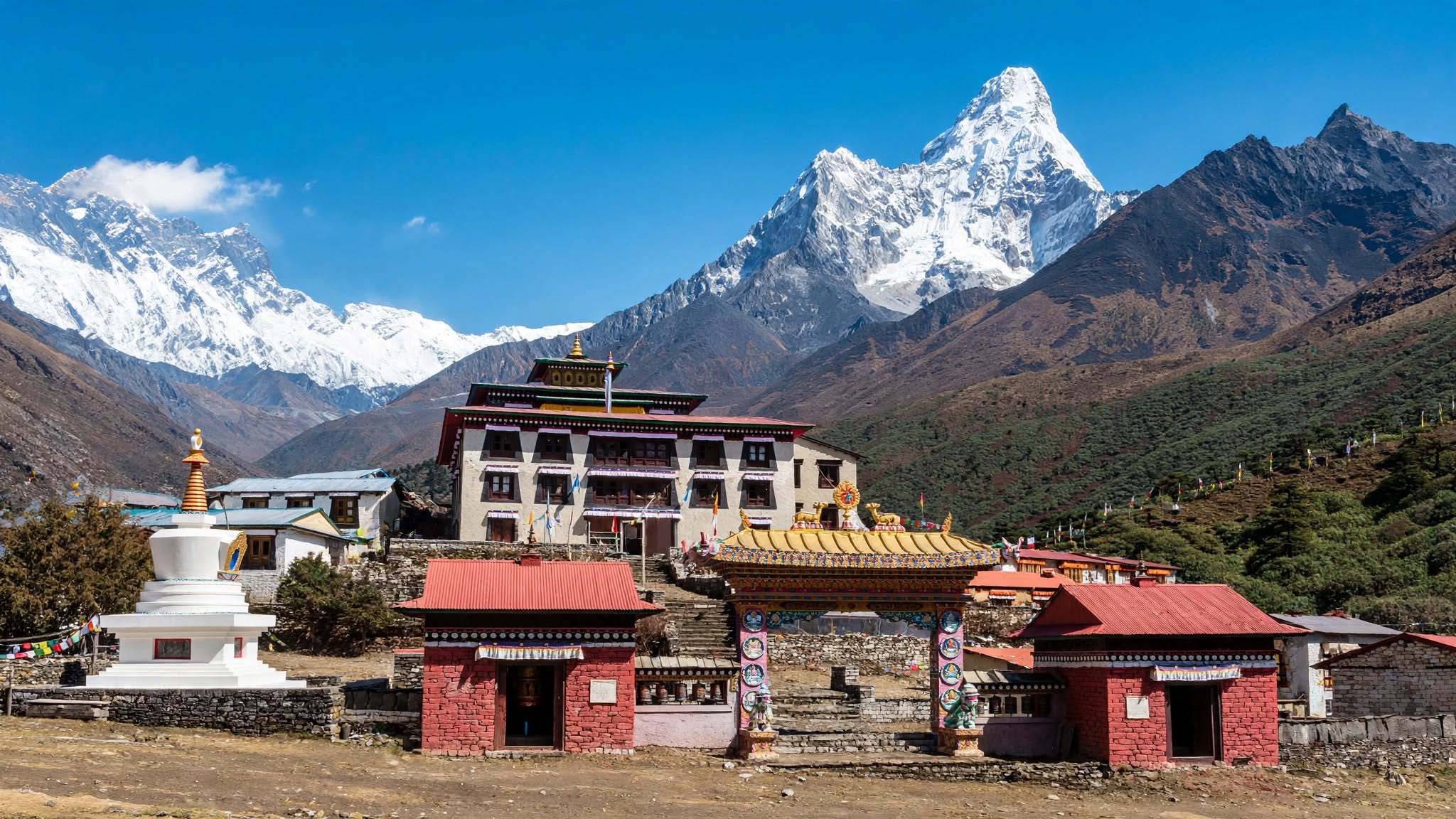
 The classic! This legendary trek offers jaw-dropping views of Mt. Everest, Lhotse, and Ama Dablam. You’ll pass through the Sherpa hub of Namche Bazaar, visit the peaceful Tengboche Monastery, and end up at Kala Patthar, which is the best viewpoint for Everest.

    Best Season: March–May, September–November


2. Annapurna Circuit Trek (12–18 Days)


 This high-altitude circuit trek is full of changing landscapes and cultural variety. You’ll hike through lush forests, cross Thorong La Pass (5,416m), and soak your tired legs in the hot springs of Tatopani.

    Best Season: March–May, September–November


3. Mardi Himal Trek (6–8 Days)


This is my personal favorite short trek. It’s quieter, incredibly scenic, and close to Pokhara. You can see the stunning views of Machhapuchhre (Fishtail), Annapurna South, and Hiunchuli.


    Best Season: March–May, October–December


4. Manaslu Circuit Trek (14–17 Days)


If you're looking for a real adventure, this off-the-beaten-path trek is for you. With fewer trekkers and a wild vibe, it’s a gem. It does need a special permit, but it’s worth every step.


    Best Season: March–May, September–November


5. Langtang Valley Trek (7–10 Days)


Just a few hours from Kathmandu, this trek is perfect for beginners or those short on time. You’ll get to see glaciers, high peaks, and dive into the rich Tamang culture.

    Best Season: March–May, September–December


📅 Best Time for Trekking in Nepal

Timing can make or break your trek. Here's a quick breakdown of trekking seasons in Nepal:


    Spring (March to May): Clear skies, rhododendron blossoms, warm days.


    Autumn (September to November): Best visibility and stable weather.


    Winter (Dec–Feb): Cold but good for low-altitude treks.


    Monsoon (June–August): Not ideal due to rain, except in Mustang or Dolpo.


🎒 What to Pack – Yogesh’s Trekking Checklist

Here’s what I always advise clients to bring:

    🥾 Comfortable trekking boots (already broken in)

   🧥 Layered clothing: base layer, fleece, down jacket, and waterproof shell

   🛏️ Sleeping bag (rated at -10°C or lower)

  🚶 Trekking poles and headlamp

   🩺 Personal first aid kit and water purifier

  📷 Power bank and camera (optional, but highly recommended)

 👉 Travel light. The lighter your bag, the better your trek.


⚠️ Common Mistakes to Avoid

 ❌ Skipping acclimatization days (especially above 3,000m)

 ❌ Forgetting permits (TIMS, ACAP, or restricted area permits)

 ❌ Ignoring insurance (rescue helicopter is expensive)

 ❌ Underestimating altitude (drink water, rest, and listen to your body)


💡 Why Trek With Nepal Boundary Trekking?

I started Nepal Boundary Trekking with one simple goal: to give travelers an authentic, safe, and unforgettable experience. When you trek with us, you're not just booking a trip; you’re becoming a part of our trekking family.

 ✅ Experienced local guides and porters

 ✅ Customized itineraries based on your pace

 ✅ Full support from Kathmandu to the final destination

 ✅ Respect for nature, culture, and your comfort


Many of our trekkers return again — because our trips are about people, not just mountains.

📞 Ready to Plan Your Trek?

If you're dreaming of trekking in Nepal in 2026, I’d love to help. Whether you’re looking for a short scenic trek or a once-in-a-lifetime Himalayan expedition, I’ll guide you every step of the way.


👉 Check Out Our Trekking Packages

👉 Contact Nepal Boundary Trekking Agency


Best winter treks in Nepal 2026

Top Best Winter Treks in Nepal in 2026

30/12/2025

When most people think about trekking in Nepal, they picture spring rhododendrons (blooming red rhododendrons) or autumn crowds lining the trails. Yet winter quietly offers something special that most travelers overlook. The air turns crisp, the skies open up into a deep blue canvas, the mountain feels closer, sharper, and more dramatic. With few trekkers on the route, every step feels personal, almost meditative. 

With my 10+ years of trekking experience in Nepal, winter trekking isn’t about rushing to tick destinations off a list. Instead, it’s about slowing down, feeling the cold mountain air on your face, and enjoying Nepal’s landscape without the noise. Some routes look more beautiful in winter than in other seasons, especially those at moderate altitudes or in rain shadow regions (dry regions where little rain falls).  That natural shift leads straight into the treks that truly stand out when the temperatures drop. 


Why Winter Trekking in Nepal Feels Different

Winter changes the rhythm of the Himalayas. Villages become quieter, trails open up, and the mountain dominates the horizon without clouds stealing the view. Unlike monsoon or other seasons, winter offers stable weather patterns, especially in December and early February.

Moreover, trekkers often enjoy better visibility during winter mornings. Snow dusts on the peaks are just enough to make them glow. While lower trails remain manageable with proper gear. This season feels like a gift to photographers. For budget travelers, it brings another advantage because of reduced accommodation costs and easy access to teahouses.

That said, trekking in the winter season requires smart planning. Cold nights, shorter daylight hours, and occasional snowfall demand preparation rather than spontaneity. Once trekkers understand these factors, winter becomes one of the most rewarding times to explore Nepal on foot.


What to Expect While Trekking in Nepal During Winter

Temperatures vary depending on altitude, but days usually stay comfortable under direct sunlight. However, at night, the temperature can drop below freezing, especially above 3000 meters. Snowfall remains light on the most popular routes, although high passes may close temporarily after heavy snowfall.

Teahouses stay open on most established trails, though options become limited in remote areas. Meals in the teahouse are warm and healthy, and locals often have more time to connect with trekkers during this off-season. With this foundation in mind, choosing the right trek makes all the difference.

7. Khopra Ridge and Mohare Danda: Quiet Alternatives with Big Views

For trekkers wanting Annapurna views without crowds, Khopra Ridge and Mohare Danda provide excellent winter options. These routes stay less commercialized, offering peaceful trails and community-run lodges.

Winter skies make distant peaks appear closer, and sunrise viewpoints feel peaceful rather than busy. Although nights turn cold, the sense of solitude makes up for the extra layers needed.

These treks suit hikers who value scenery, sustainability, and a slower pace.

What to expect:

Quiet trails with minimal crowds

Stunning Annapurna and Dhaulagiri views

Crystal-clear winter skies and sharp mountain visibility

Peaceful sunrise viewpoints without the rush

Community-run and eco-friendly lodges

Less commercialized trekking experience

Colder nights, especially in the winter months

Moderate trekking difficulty

Slower, more relaxed trekking pace

Strong focus on sustainability and local communities


6. Lower Mustang Trek: Nepal’s Best Winter Secret

Lower Mustang stands apart from other regions thanks to its location in the rain-shadow of the Himalayas. While snow blocks many trails elsewhere, Mustang often remains dry and accessible.

The landscape feels dramatic and out of this world, with deep canyons, ancient caves, and windswept plateaus. Tibetan culture shapes daily life here, from monasteries to prayer wheels lining village paths.

Winter enhances the region’s raw beauty, and fewer visitors create a sense of exploration rarely found on popular routes. For trekkers seeking something truly different, Lower Mustang delivers a winter experience unlike any other in Nepal.

What to Expect:

Dry trails due to rain-shadow location

Accessible even when other regions are snowed in

Dramatic desert-like landscapes and deep canyons

Ancient caves carved into cliff walls

Strong Tibetan-influenced culture and traditions

Monasteries, prayer wheels, and stone villages

Fewer trekkers and a strong sense of exploration

Cold, windy conditions are typical in winter

Wide-open plateaus with surreal scenery

A completely different winter trekking experience in Nepal


5. Helambu Trek: Short, Scenic, and Winter-Friendly

Close to Kathmandu, the Helambu trek offers an easy winter escape into the mountains. The trail doesn’t reach extreme altitudes, which keeps conditions manageable even in January.

Villages along the route showcase Hyolmo and Sherpa culture, while views stretch across the Langtang range. Winter brings calm trails and warm interactions with locals, making this trek ideal for those short on time.

Because of its accessibility and moderate terrain, Helambu works well for beginners or trekkers easing into winter conditions.

What to expect:

Short and easy access from Kathmandu

Low to moderate altitude, suitable for winter

Manageable conditions even in January

Quiet trails with fewer trekkers

Hyolmo and Sherpa village culture

Scenic views of the Langtang range

Comfortable walking days and gentle terrain

Warm local hospitality in the winter season

Ideal for beginners and first-time trekkers


4. Annapurna Base Camp Trek: A Winter Classic

The Annapurna Base Camp trek transforms during winter. Snow blankets the amphitheater of peaks, creating a surreal landscape that feels almost untouched. Although colder than autumn, winter brings solitude that many trekkers crave.

The route climbs gradually through villages and forests before opening into high alpine terrain. Winter trekkers must prepare for icy mornings and chilled nights, yet the payoff remains unforgettable. Standing at Annapurna Base Camp surrounded by towering peaks under a clear winter sky feels humbling and powerful.

With good preparation and flexible scheduling, winter trekking to Annapurna Base Camp remains both safe and spectacular.

What to expect:

Snow-covered landscapes and dramatic alpine scenery

Far fewer crowds compared to peak seasons

Quiet, almost untouched feel inside the sanctuary

Gradual ascent through villages and forests

Cold mornings and freezing nights

Icy sections on the trail, especially early in the day

Clear winter skies and sharp mountain views

Strong sense of solitude and scale at base camp

Requires good preparation and flexibility

Safe and rewarding with proper winter gear


3. Everest View Trek: Big Mountains Without Extreme Cold

Not everyone wants to push toward Everest Base Camp in winter, and that’s where the Everest View trek shines. This route delivers iconic Himalayan scenery while staying at relatively lower elevations.

Trekkers pass through Sherpa villages, cross suspension bridges, and enjoy close-up views of Ama Dablam and Everest itself. Winter skies enhance visibility, often offering sharper mountain outlines than other seasons.

Because the trek avoids the highest passes, it suits travelers with limited time or those adjusting to altitude. The experience still feels authentically Himalayan, just without the intensity of deeper Everest routes.

What to expect:

Lower altitude trek in the Everest region

Stunning winter views of Everest and Ama Dablam

Clear, sharp mountain visibility in winter

Traditional Sherpa villages and monasteries

Scenic suspension bridges and river valleys

Fewer crowds than Everest Base Camp

Shorter itinerary, ideal for limited time

Easier acclimatization compared to higher routes

Cold mornings but manageable winter conditions

Authentic Everest experience without extreme difficulty


2. Langtang Valley Trek: Culture, Snow Peaks, and Quiet Trails

Just north of the Kathmandu Valley, the Langtang Valley trek delivers a perfect blend of culture and alpine scenery. Winter adds a peaceful charm to this region, where Tamang villages sit beneath snow-covered peaks. 

The trail gradually ascends through forests, opening into wide valleys surrounded by towering mountains. During winter, yaks move slowly across frozen pastures, and prayer flags flutter against clear skies. Although temperatures drop at night, days remain pleasant for trekking.

What to expect:

Easy access just north of Kathmandu

Quiet winter trails with minimal crowds

Snow-dusted Tamang villages and rich local culture

Gradual ascent through forests and open valleys

Wide alpine landscapes beneath towering peaks

Yaks grazing across frozen pastures

Clear winter skies and crisp mountain views

Cold nights but comfortable daytime trekking

Peaceful, slow-paced trekking atmosphere

Strong balance of culture and alpine scenery


1. Ghorepani Poon Hill Trek: The Perfect Winter Starter

Few treks strike a better balance between scenery, comfort, and accessibility than the Ghorepani Poon Hill trek. Sitting at a moderate altitude, this route avoids harsh winter conditions while still delivering jaw-dropping mountain views.

As trekkers walk through stone villages and dense forests, the trail gradually opens toward panoramic viewpoints. The highlight arrives early in the morning at Poon Hill, where Annapurna and Dhaulagiri rise above layers of mist. Winter mornings often reward trekkers with crystal-clear sunrises, making the climb worth every step.

Because the trail remains well-maintained and populated throughout the year, it suits both beginners and experienced hikers alike. In winter, fewer crowds allow trekkers to enjoy viewpoints without the usual congestion.

Langtang works especially well for trekkers who want a longer journey without venturing (without taking risk) into extreme altitudes. With proper layering and steady pacing, winter trekking here feels challenging yet deeply rewarding.

What to expect:

Moderate-altitude trek, avoiding harsh winter conditions

Dense forests and traditional stone villages along the trail

Gradual ascent toward panoramic viewpoints

Stunning winter sunrises at Poon Hill

Crystal-clear visibility of Annapurna and Dhaulagiri

Well-maintained trail suitable for beginners and experienced trekkers

Fewer crowds than peak season, especially at viewpoints

Comfortable teahouses and steady trekking pace

Challenging but manageable for winter conditions

Rewarding combination of scenery, culture, and accessibility


Easy Winter Treks for Beginners

Not every winter trek requires advanced experience. Routes like Poon Hill, Helambu, and Everest View remain accessible with basic fitness and preparation. Their moderate altitudes reduce risks, while established infrastructure ensures safety and comfort.

Beginners benefit from winter’s quieter trails, allowing them to walk at their own pace without pressure from crowds.


Moderate Winter Treks for Experienced Hikers

Langtang Valley, Khopra Ridge, and Annapurna Base Camp fall into the moderate category. These routes demand better endurance and cold-weather readiness, yet reward trekkers with immersive mountain experiences.

With proper planning, these treks strike a balance between challenge and enjoyment.


Packing Smart for Winter Trekking in Nepal

Layering becomes the foundation of winter trekking comfort. A warm base layer, insulating mid-layer, and windproof outer shell keep temperatures manageable throughout the day. A quality sleeping bag rated for sub-zero temperatures makes nights far more comfortable.

Accessories matter too. Gloves, thermal socks, and sun protection help regulate body temperature while walking under strong winter sunlight. Trekking poles add stability on icy sections, especially during early mornings.


Winter Trekking Costs and Budget Planning

Winter often lowers overall trekking costs. Teahouses offer discounted rooms, flights see less demand, and guides remain more available. Daily expenses depend on route and comfort level, yet winter generally allows trekkers to stretch their budget further. 

Hiring a guide in winter adds safety and local insight, particularly when weather conditions change unexpectedly. You can connect with us at Nepal Boundary Trekking Agency Pvt. Ltd. if you are looking for an expert and friendly guide and a smooth trekking experience. 


Safety and Comfort During Winter Treks

Winter trekking remains safe with the right mindset. Checking weather updates, starting hikes early, and maintaining flexibility help avoid problems. Altitude sickness risks still exist, so gradual ascents and hydration remain essential.

Local guides understand winter trail conditions and provide valuable support, especially in remote areas.


Choosing the Best Winter Month to Trek

December offers clear skies and relatively mild conditions early in the month. January brings colder nights but fewer trekkers, creating unmatched solitude. February slowly warms up, combining winter scenery with longer daylight hours. 

Each month has its own charm, and choosing months depends on your comfort level and priorities. Hope this guide will help you choose the right month for trekking in winter and take your trekking experience to the next level.

If you need help selecting the ideal itinerary, I can tailor one to your specific dates and treks, taking into account your fitness level. I run Nepal Boundary Trekking Agency Pvt. Ltd. and have guided over 1,000 clients from around the world in my 12+ years of guiding and trekking experience. We offer custom trek plans, handle permits and logistics, and pair you with experienced local guides and porters so you can focus on the mountains and the views. You can contact us at Nepal Boundary Trekking Agency Pvt. Ltd. for booking a trek.

Best Trekking Routes from Pokhara in Nepal

Top 7 Best Trekking Routes from Pokhara with Duration and Difficulty

09/04/2026

Pokhara is the main trekking gateway for many famous Himalayan routes in Nepal. Every year, travelers start their journey here because the city gives easy access to short hikes, moderate treks, and long mountain adventures. You can choose a simple one day walk or a multi day route depending on your time, budget, and fitness.

The best part is that many trekking routes from Pokhara offer mountain views, village life, forest trails, and sunrise points in one trip. Some routes suit beginners, while others challenge experienced trekkers.

In this guide, you will find the top trekking routes from Pokhara with duration, difficulty level, and who each route suits best.

Quick Comparison of the Best Trekking Routes from Pokhara

Trek Route

Duration

Difficulty

Best For

Mardi Himal

4 to 5 days

Moderate

Close mountain views

Poon Hill

3 to 4 days

Easy to Moderate

Sunrise lovers

Annapurna Base Camp

7 to 11 days

Moderate to Difficult

Full Himalayan experience

Australian Camp

1 day

Easy

Families and beginners

Dhampus

1 to 2 days

Easy

Short village trek

Mohare Danda

4 to 5 days

Moderate

Quiet trekking route

Khopra Danda

5 to 7 days

Moderate to Difficult

Less crowded mountain trek

1.    Mardi Himal Trek

Mardi Himal is one of the most popular trekking routes from Pokhara today. Many trekkers choose it because the trail gives beautiful mountain views in a short time.

Duration: 4 to 5 days

Difficulty: Moderate

Why people choose Mardi Himal Trek:

You walk through forest trails, ridge paths, and open mountain views. The trail becomes more beautiful as you climb higher. At the upper viewpoint, you can see Machhapuchhre, Annapurna South, and Hiunchuli clearly. This trek suits people who want mountain adventure without spending many days.

2.    Poon Hill Trek

Poon Hill remains one of the easiest and most loved trekking routes near Pokhara.

Duration: 3 to 4 days

Difficulty: Easy to moderate

Why people choose Poon Hill Trek:

The sunrise from Poon Hill attracts visitors from around the world. Early morning light on the Annapurna and Dhaulagiri ranges creates an unforgettable view. The trail also passes through Gurung villages, forests, and stone stairways. This trek works well for beginners.

3.    Annapurna Base Camp Trek

Annapurna Base Camp is one of Nepal’s most famous trekking routes.

Duration: 7 to 11 days

Difficulty: Moderate to difficult

Why people choose Annapurna BaseCamp Trek

This route gives a full trekking experience. You cross villages, rivers, forests, and high mountain areas before reaching base camp. At base camp, snow peaks surround you from every side. That moment makes the long walk worth it. This trek suits travelers who want a deeper mountain journey.

4.    Australian Camp Trek

Australian Camp is perfect for short trekking from Pokhara.

Duration: 1 day or overnight

Difficulty: Easy

Why people choose Australian Camp Trek:

The route is simple and short. Families, beginners, and people with less time often choose it. From the camp, you can enjoy wide views of Annapurna, Machhapuchhre, and nearby hills. This trek also works well during short holidays.

5.    Dhampus Trek

Dhampus offers one of the easiest village trekking experiences from Pokhara.

Duration: 1 to 2 days

Difficulty: Easy

Why people choose Dhampus Trek:

The trail passes through local villages and terraced fields. You can enjoy local food, mountain views, and peaceful surroundings. This trek suits beginners and domestic travelers.

6.    Mohare Danda Trek

Mohare Danda is growing in popularity because it stays quieter than crowded trekking routes.

Duration: 4 to 5 days

Difficulty: Moderate

Why people choose Mohare Danda Trek:

This route offers forest walks, village stays, and broad Himalayan views. Many people choose it because they want peaceful trekking without heavy crowd. It also supports community tourism.

7.    Khopra Danda Trek

Khopra Danda suits trekkers who want both challenge and beauty.

Duration: 5 to 7 days

Difficulty: Moderate to difficult

Why people choose Khopra Danda Trek:

The trail gives wide mountain views and fewer crowds than famous routes. The ridge area feels open and dramatic, especially during sunrise. This trek suits people who already have some trekking experience.

Which Trekking Route from Pokhara is Best for Beginners?

If you are new to trekking, choose:

These routes are easier, safer, and shorter.

Which Trek is Best for Strong Mountain Views?

If mountain views matter most, choose:

These routes bring you closer to high peaks.

Best Time for Trekking from Pokhara

The best months are:

  • March to May
  • September to November

During these months, skies stay clearer and mountain views look better. Winter also works for short treks, but higher routes become colder.

Conclusion

Pokhara gives access to some of Nepal’s best trekking experiences. Whether you want a short village walk or a full Himalayan adventure, you can find a route that matches your time and fitness.

Before choosing, think about your walking ability, available days, and weather. A good trek becomes memorable when you choose the route that fits you best. You can contact us any time at Nepal Boundary Trekking Agency Pvt. Ltd. if you are still confused about choosing the best trek that suits you according to your preferences