Blog
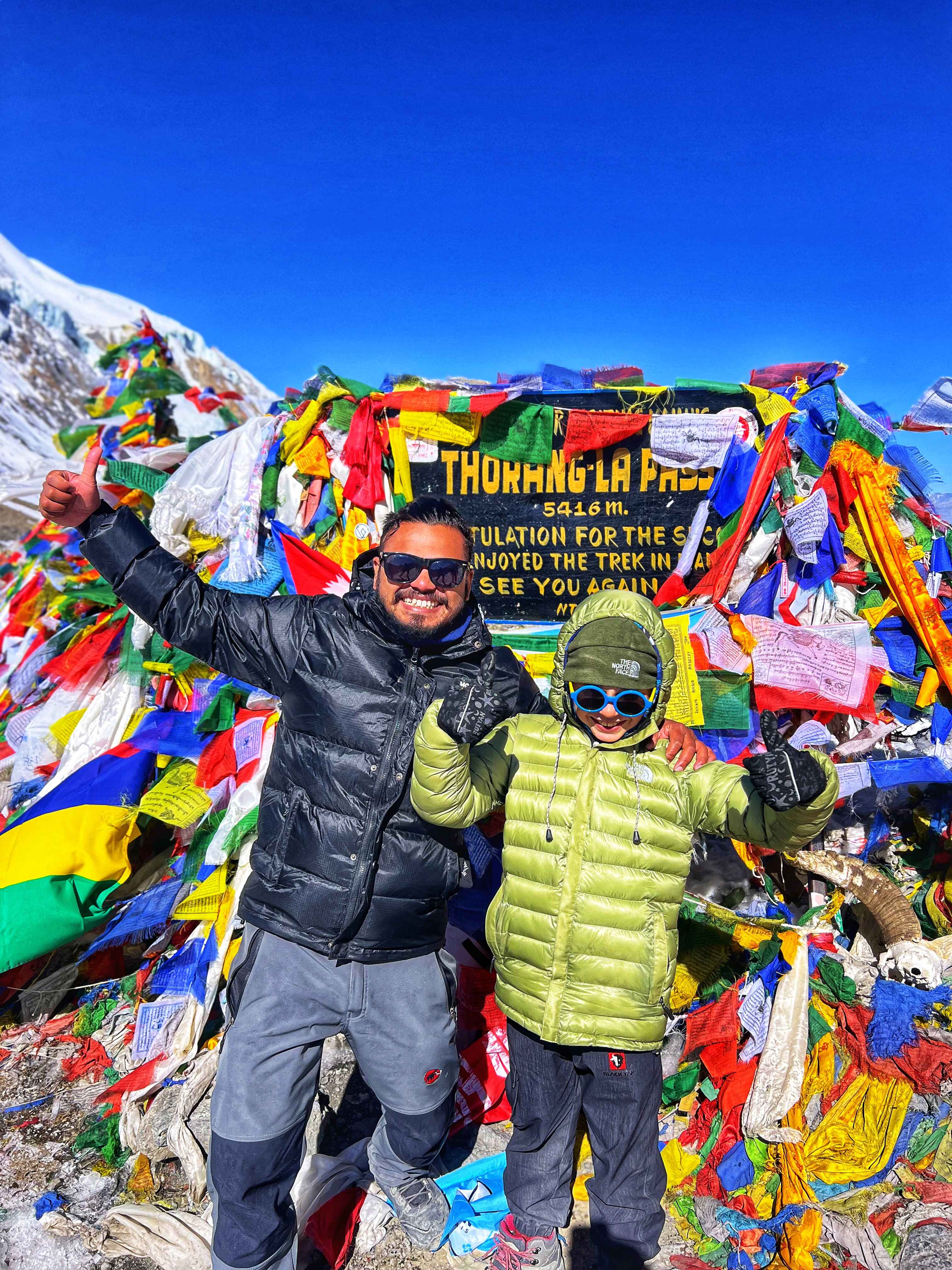
Thorong La Pass View

How to Conquer Thorong La Pass Without Losing Your Mind

12/09/2025

Have you ever dreamed of walking one of the world's most breathtaking trekking routes? Thorong La Pass on the Annapurna Circuit should be on your list. This mountain high pass is not just a physical challenge, but also a test of endurance, patience, and mental strength, standing tall at 5,416 meters. But you don’t have to worry, you can cross easily without losing your mind if you prepare properly, pace yourself, and stay focused on the journey ahead.

Imagine waking up before sunrise, the crisp mountain air brushing your face, with snow-capped peaks stretching endlessly in every direction. Each step is a mix of effort and awe, your heart racing not just from the climb but from the sheer thrill of being at one of the world's highest trekking points. Crossing Thorong La Pass is a life-changing experience, but only if you approach it wisely.


Understanding Thorong La Pass

Thorong La Pass is the crown jewel of the Annapurna Circuit trek. It connects Manang to Mustang, offering panoramic views of towering peaks and deep valleys. The pass is often referred to as the “gateway to the high Himalayas,” and for good reason. Every year, many trekkers from around the world come here for the challenge and the reward.

And the biggest obstacle is the altitude. Rapid ascent without proper acclimatization can lead to headaches, nausea, or even more serious conditions like Acute Mountain Sickness (AMS). The weather is another factor. The temperature can drop to -15°C, and strong winds can make the pass feel even higher than its 5,416 meters. Understanding these challenges before you set off is the first step toward a safe and memorable crossing.


When to Trek Thorong La Pass

Timing is very crucial to make your trek a success. The best months to cross Thorong La are October–November and March–April. During these periods, the weather is generally clear, and visibility is excellent, which means you can fully enjoy the dramatic mountain scenery.

However, conditions in the Himalayas can change suddenly. Snow may appear unexpectedly in the early morning, and strong winds can increase the difficulty of your ascent. Always check local weather forecasts before setting off and remain flexible with your schedule. Trekking a day earlier or later can make a huge difference in safety and comfort.


Physical and Mental Preparation

Conquering Thorong La Pass requires more than willpower—it demands preparation, both physically and mentally.

1. Fitness Training

Endurance is key. Focus on cardio exercises like running, cycling, or stair climbing to prepare your lungs and heart for high-altitude exertion. Strength training for legs, core, and back will make steep climbs and long descents manageable. If possible, practice hiking with a backpack to simulate real conditions.

2. Mental Readiness

The pass can be isolating. Trekking in thin air with limited support can feel intimidating. Prepare mentally by visualizing the journey, setting small milestones, and reminding yourself why you started. Mindfulness techniques, meditation, and even listening to motivational music or podcasts can help maintain focus during tough stretches.

3. Acclimatization Tips

Acclimatization is the secret to surviving Thorong La. Spend extra days in Manang or other villages along the route. Drink plenty of water, eat light meals, and avoid alcohol or sedatives. Remember, slow and steady wins the race; ascending too quickly is a common mistake that can jeopardize your trek.


Essential Gear for Thorong La Pass

Having the right gear can make a big difference between an exhausting struggle and a comfortable adventure.

1. Clothing: Layering is essential. Use moisture-wicking base layers, fleece mid-layers, and waterproof outer layers. Don’t forget thermal gloves, hats, and socks.

2. Equipment: Trekking poles reduce strain on knees during steep climbs and descents. Sunglasses with UV protection are a must to prevent snow blindness. Consider crampons if snow or ice is present.

3. Health & Safety Gear: Carry a first-aid kit, altitude sickness medication, and, if needed, a portable oxygen canister. Energy gels and snacks will keep your energy up during the long ascent.

4. Backpack Essentials: A Lightweight sleeping bag, headlamp, extra batteries, and a small thermos for hot drinks can make your trek far more enjoyable.


Tips to Avoid Losing Your Mind on the Trek

Even with preparation, mental challenges can creep in. Here’s how to stay sane and motivated:

1. Pace Yourself: Climbing too fast is a common mistake. Maintain a slow, steady pace. Taking short breaks every 30–60 minutes helps your body adjust and reduces fatigue.

2. Stay Positive: Celebrate small wins along the way. Whether it’s reaching a small ridge or seeing the first rays of sunrise hit the mountains, these moments can keep spirits high.

3. Buddy System: Trekking with a partner or guide provides both motivation and safety. Sharing stories or even just silent support can ease the mental strain.

4. Monitor Health Closely: Watch for headaches, nausea, dizziness, or extreme fatigue. These may indicate altitude sickness. If symptoms worsen, don’t hesitate to descend. Immediate response is crucial.

Pro Tip: Listening to your body is more important than sticking to a strict schedule. Flexibility is your friend.


What to Expect at the Top

Reaching the summit of Thorong La is a moment of pure exhilaration. As you step onto the pass, you’re rewarded with sweeping views of Himalayan peaks, deep valleys, and glacial rivers. The sense of achievement is unmatched. Many trekkers describe the moment as both humbling and empowering.

Take a moment to soak in the scenery, capture photos, and enjoy a quiet moment of reflection. The pass is not just a physical milestone; it’s a mental and emotional triumph.


Cultural Encounters Along the Way

The Annapurna Circuit is rich in culture. Along the route to Thorong La, you’ll pass through villages like Manang and Braga, where traditional Tibetan-influenced architecture, prayer flags, and warm locals greet trekkers. Experiencing local culture adds depth to your trek, turning it into a holistic adventure.

Stop by a teahouse to enjoy local dishes like dal bhat or momos and chat with villagers. These small encounters can boost morale and give you a unique perspective on life in the high Himalayas.


Post-Trek Recovery Tips

After crossing Thorong La, your body will need proper recovery. Hydrate generously and eat nutrient-rich meals to replenish lost energy. Gentle stretching or yoga can relieve muscle tension. Staying in a cozy lodge in Muktinath or nearby villages allows your body to rest and enjoy the local hospitality.

Consider documenting your journey in a journal or photos; it not only preserves memories but also helps mentally process the experience.

Conclusion

Crossing Thorong La Pass is more than a physical achievement; it’s an experience that tests your endurance, patience, and mental resilience. By preparing carefully, pacing yourself, and paying attention to both your body and mind, you can safely enjoy one of the world’s most breathtaking trekking adventures.

Remember: every step, every breath, and every view along the way is part of the journey. Plan wisely, embrace the challenge, and treasure the rewards. Your Annapurna Circuit adventure awaits, and Thorong La Pass is the ultimate milestone you’ll never forget.

Gen G Protest in Nepal

Trekking in Nepal 2025: Is it Safe After the Recent Gen Z Protests?

18/09/2025

In September 2025, Nepal experienced large-scale protests mainly led by Gen Z. The movement began after the government announced a ban on 26 social media platforms (including Facebook, Instagram, WhatsApp, and YouTube). For young Nepalis who rely heavily on these platforms for connection, education, and work, this felt like a huge step backward.

The protests quickly grew into something bigger, highlighting frustration with corruption, unemployment, and inequality. While most demonstrations were peaceful, some turned violent, leading to clashes with security forces in cities like Kathmandu.

After one day of intense protests, the government lifted the social media ban, and an interim government under Sushila Karki was formed to stabilize the situation. Today, the unrest has calmed, and the country is working to return to normal.


Is Trekking in Nepal Safe Right Now?

Nepal Army providing security after Gen Z protest

Here’s the good news: the political events were centered in urban areas, not in the trekking regions. The Nepal government has confirmed that major trekking routes remain open and safe. Security has been strengthened around popular destinations, and tourist activities continue as usual.

So, whether you’re dreaming of standing at Everest Base Camp, circling the Annapurna peaks, or exploring the lush Langtang Valley, your trekking plans don’t need to change.


Travel Tips for Trekkers in 2025


If you’re planning to visit Nepal soon, here are a few practical tips to make your trek smooth and safe:

• Stay updated: Keep an eye on travel advisories and local news before and during your trip.

• Book with trusted trekking agencies: Local guides know which routes are safe and can help you avoid disruptions.

• Avoid large gatherings in cities: Demonstrations may still occur occasionally, so it’s best to steer clear.

• Have flexible travel plans: Leave room in your itinerary in case of delays.

• Get travel insurance: Always a smart move for trekking adventures.


Conclusion: Nepal Awaits You

Yes, Nepal went through a turbulent moment with the Gen Z protests, but the situation has stabilized, and the mountains remain as welcoming as ever. If you’ve been hesitating, now is the time to dust off your trekking boots. The Himalayas, tea houses, and incredible trails are still here—safe, open, and waiting for you.


So go ahead, plan that trek. Nepal is ready when you are.

Thorong La Pass 5416, Annapurna Circuit Trek Nepal – snow-capped Himalayas view, solo traveler crossing Throng La Pass, Thorong La Pass Annapurna trekking route Nepal

Is Nepal Safe for Solo Travellers in 2026? Complete Guide

19/09/2025

Introduction

Nepal, home to the majestic Himalayas and rich cultural heritage, is a dream destination for many adventurers. Each year, thousands of solo travelers – both men and women – visit Nepal for trekking, spiritual exploration, and cultural experiences. But one common question remains: is Nepal safe for solo travelers in 2026?


The simple answer is yes. Nepal is one of the safest countries in South Asia for solo travel. Crime rates are low, Nepali people are warm and welcoming, and tourism is deeply rooted in the country's culture. Still, it's essential to know the facts, follow safety guidelines, and prepare thoroughly for your journey.


Is Nepal Safe for Solo Travelers?

Nepal is widely considered safe for solo travel, even for first-time visitors. Petty theft can happen in crowded places, but violent crime against tourists is extremely rare. Most Nepalis are honest, helpful, and respectful towards foreigners.

  1. Cities like Kathmandu and Pokhara are bustling but safe, with plenty of budget-friendly hotels, hostels, and cafes.
  2. Trekking regions such as Everest, Annapurna, Langtang, and Manaslu are also safe, with an established teahouse network and many fellow trekkers on the trail.
  3. In village and rural areas, hospitality is part of the culture – locals often go out of their way to help solo travelers.


Safety Tips for Solo Travelers in Nepal

Even though Nepal is safe, it's always good to travel smart. Here are some essential safety tips:

  1. Book registered accommodation – choose government-licensed hotels and teahouses.
  2. Don't trek at night – always start early and reach your lodge before sunset.
  3. Hire a licensed guide – for navigation, cultural experience, and security.
  4. Keep valuable safe – buy a local SIM card (Ncell or NTC(Nepal Telecom)) for internet and emergency contact.
  5. Check trekking insurance – make sure it covers high-altitude rescue.


Cultural Etiquette & Respect

Solo travel in Nepal also means interacting with locals. To make your journey smooth:

  •   Great people with a warm "Namaste".
  •   Dress modestly, especially in villages and temples.
  •   Remove shoes before entering the home and monasteries.
  •   Respect local festivals and traditions.


Women Traveling Solo in Nepal

Many women from around the world travel solo in Nepal every year. Nepali culture respects women travelers, and you'll find it easy to meet other trekkers along the way.


Conclusion

So, is Nepal safe for solo travelers in 2026? Absolutely! With friendly locals, established trekking routes, and low crime rates, Nepal is one of the safest and most rewarding countries for solo adventures.

Whether you want to trek to Everest Base Camp or experience the vibrant culture of Kathmandu, you can do it with confidence.


 At Nepal Boundary Trekking Agency, we specialize in providing safe and guided treks for solo travelers who want to explore the Himalayas with peace of mind. Contact us today to plan your unforgettable journey.

Why Manaslu Circuit is the Best Choice for Adventure Lovers

Why Manaslu Circuit is the Best Choice for Adventure Lovers

19/09/2025

If you are looking for a trekking adventure that goes beyond the ordinary, the Manaslu Circuit Trek deserves your attention. While Everest and Annapurna attract huge crowds every season, Manaslu remains wild, raw, and wonderfully authentic. Located in the heart of the Himalayas, this trek offers everything an adventure lover dreams of – rugged trails, breathtaking mountain views, remote villages, and a true sense of discovery.

Let’s explore why the Manaslu Circuit is quickly becoming the top choice for those who crave real adventure in Nepal.


Overview of the Manaslu Circuit Trek

The Manaslu Circuit circles Mount Manaslu (8,163 m), the eighth-highest peak in the world. This trek usually takes 14–18 days, depending on your pace and side trips. It’s considered moderately challenging, making it perfect for trekkers who want a balance of difficulty and reward.

Unlike the other commercial routes, the Manaslu Circuit feels untouched. Trails wind through lush valleys, traditional villages, and dramatic high passes, keeping you far from the crowds while immersing you in Nepal’s raw beauty.


The Adventure Appeal of the Manaslu Circuit


Untouched & Less Crowded Trails

Unlike Everest Base Camp or the Annapurna Circuit, you won’t find yourself trekking in a long line of hikers. The Manaslu Circuit receives far fewer visitors, which makes the journey more peaceful and adventurous. Every step feels like you’re exploring a hidden corner of Nepal.


Remote Villages & Local Culture

Adventure isn’t just about landscapes – It’s also about people. Along the Manaslu Circuit, you’ll pass through Tibetan-influenced villages, ancient monasteries, and warm homestays. Interacting with locals, sharing meals, and learning their traditions adds depth to the trek that you won’t find on busier routes.


Rugged Terrain & Diverse Landscapes

The trek takes you from subtropical forests and terraced fields to alpine meadows and snow-covered mountain passes. The highlight for many trekkers is crossing the Larkya La Pass (5,160 m) – a thrilling challenge that rewards you with panoramic views of Manaslu, Himlung, Annapurna II, and more.


Wildlife & Natural Beauty

The Manaslu Conservation Area is a treasure for nature lovers. It shelters rare wildlife such as the snow leopard, Himalayan tahr, and blue sheep. The landscapes are equally diverse, offering waterfalls, glacial lakes, and dense pine forests before opening up to dramatic Himalayan vistas. For photographers and adventurers alike, it’s paradise.


Why Adventure Lovers Prefer Manaslu Over Other Treks

When compared to Everest and Annapurna, the Manaslu Circuit stands out for its authenticity. It’s more rugged, less commercial, and far more rewarding if you enjoy challenges. Instead of tea houses packed with tourists, you’ll find peaceful trails and genuine connections with locals. If you crave both cultural depth and physical adventure, this trek beats the mainstream routes hands down.


Practical Details for Adventure Seekers


Trek Difficulty & Fitness Requirements

This trek isn’t a walk in the park. You’ll be hiking long hours on steep trails and high altitudes. A solid fitness level, combined with mental resilience, is key. But the sense of accomplishment at the end makes every step worth it.


Required Permits & Regulations

The Manaslu region is a restricted area. To trek here, you’ll need:

·       Restricted Area Permit

·       Manaslu Conservation Area Permit (MCAP)

·       Annapurna Conservation Area Permit (ACAP)

·       Additional Local Taxes and Fees

Hiring a licensed guide is mandatory to ensure both safety and cultural respect.


Best Time to Trek the Manaslu Circuit

The ideal seasons are spring (March–May) and autumn (September–November). Trails are clear, skies are blue, and temperatures are moderate. Winter treks are possible but very tough, while the monsoon brings heavy rain and landslides.


Cost Breakdown

On average, the Manaslu Circuit trek costs between $1,500–$2,000, depending on group size, duration, and level of comfort. This usually includes permits, guide and porter services, meals, and accommodation.


Tips for a Successful Manaslu Circuit Adventure

  • Pack smart: Layered clothing, trekking poles, a good sleeping bag, and water purification are must-haves.
  • Acclimatize wisely: Take rest days to prevent altitude sickness.
  • Train before you go: Build stamina with cardio, hikes, and strength training.
  • Respect the environment: Follow “leave no trace” principles to keep this pristine region unspoiled.


Conclusion

For trekkers who want more than just a walk to a famous base camp, the Manaslu Circuit is a true adventure. With its untouched trails, cultural immersion, and breathtaking challenges, it offers an experience that is as rewarding as it is demanding. If you’re ready to step off the beaten path and into one of Nepal’s most authentic trekking adventures, the Manaslu Circuit is waiting for you.

Ready to start your adventure? Plan your trek with Nepal Boundary Trekking and make your Himalayan dream a reality.

Trekking in Nepal packing list

Ultimate Packing List for Trekking in Nepal (With Seasonal Tips)

21/09/2025

Introduction

For those who love trekking, trekking in Nepal is one of those bucket list adventures people dream about. Imagine yourself walking through quiet mountain trails, crossing hanging bridges, exploring different cultures of the Himalayas, and ending the day in a cozy teahouse with views of the Himalayas. Sounds magical, right?

However, the truth is that if you don’t pack the right gear, your dream trek can quickly become uncomfortable and ruin your trekking experience. Packing too much weighs you down, and packing too little leaves you unprepared for sudden changes in the weather.

That’s why I’ve put together this ultimate packing list for trekking in Nepal. Over the past 12 years, I’ve guided trekkers from all over the world, so I know exactly what you’ll need and what you can leave behind. As the founder of Nepal Boundary Trekking, I want to make sure you’re fully prepared, so your Himalayan adventure is as safe, comfortable, and unforgettable as possible, with lots of memories.

Essential Clothing for Trekking in Nepal

Proper layering is the secret and also important for staying comfortable in the mountains. The weather is unpredictable in the mountains and can change in minutes. So having the right combination of clothes makes a huge difference.


1.      Base Layers (Your Second Skin)

Think of base layers as your temperature regulators. A good set of thermal tops and bottoms keeps you warm and wicks away sweat. Merino wool or quick-dry synthetics work best.


2.      Mid Layers (Insulation)

This is where you trap heat. A fleece jacket is perfect for most treks, while a lightweight down jacket keeps you cozy during chilly evenings at higher altitudes.


3.      Outer Layer (Shield Against the Elements)

Wind and rain can sneak up on you fast. A waterproof jacket and windproof pants are must-haves. Look for breathable fabric so you don’t overheat while climbing uphill.

4.      Footwear

Your feet carry you through every step of the journey, so don’t compromise here.

    • Trekking boots: Go for sturdy, broken-in boots with ankle support.
    • Socks: Bring multiple pairs of moisture-wicking socks to prevent blisters.
    • Camp shoes: Lightweight sandals or sneakers to relax in after a long day of trekking.


Trekking Gear You Shouldn’t Forget


1.      Backpack and Daypack

A 50–65-liter backpack works well for multi-day treks. If you have porters, you’ll also want a small daypack (20–30 liters) to carry your essentials like water, snacks, and a jacket.


2.      Sleeping Bag

Most teahouses provide blankets, but at higher altitudes, they may not be enough. A four-season sleeping bag keeps you warm even in freezing temperatures. You can also rent one in Kathmandu if you don’t want to carry it from home.


3.      Trekking Poles

These are life-savers on steep descents. They reduce strain on your knees and give you extra balance on uneven trails.


4.      Hydration Setup

Bring reusable bottles or a hydration bladder. Pair it with a water purification system like tablets or a UV filter so you can safely refill along the way without buying plastic bottles.


5.      Accessories and Must-Haves

    • Sunglasses & Sunscreen: The UV rays hit hard at higher altitudes.
    • Headlamp: Essential for early morning hikes or power cuts in villages.
    • Gloves, Hat, and Buff: Small items that make a huge difference in warmth.
    • Quick-Dry Towel & Toiletries: Compact, lightweight, and easy to use.


6.      Health and Safety Items

    • First-Aid Kit: Pack basics like blister pads, antiseptics, and bandages.
    • Personal Medication: Always carry enough for your entire trek.
    • Altitude Sickness Prevention: Talk to your doctor about Diamox or alternatives.
    • Travel Insurance: Don’t skip this. Make sure it covers trekking and emergency evacuation.


Seasonal Packing Tips for Nepal Treks

Different seasons call for different gear tweaks. Here’s a quick breakdown:

1.      Spring (March–May)

    • Mild days, cooler nights.
    • Pack light layers and a rain jacket (occasional showers).
    • Great season for flowers and clear mountain views.

2.      Summer/Monsoon (June–August)

    • Expect rain, mud, and leeches.
    • Waterproof boots and rain gear are essential.
    • Quick-dry clothing beats heavy cotton every time.

3.      Autumn (September–November)

    • Peak trekking season with stable weather.
    • Layer up for cold mornings and warm afternoons.
    • A lightweight down jacket is perfect.

4.      Winter (December–February)

    • Coldest season, especially at higher altitudes.
    • Heavy down jacket, extra thermals, and a warmer sleeping bag are non-negotiable.
    • Some high passes may be closed due to snow.


Packing Tips from Nepal Boundary Trekking

  • Pack light, trek happy: Keep your main pack under 12–15 kg.
  • Rent vs buy: Kathmandu has excellent rental shops for sleeping bags, jackets, and poles.
  • Be smart, not over-prepared: Carry essentials, but remember teahouses provide meals and basic bedding.
  • Ask us anytime: Our guides can give tailored gear advice depending on your trek and season.


Conclusion

Packing smart is the key to enjoying your Himalayan adventure. With the right gear, you’ll stay comfortable, safe, and ready to soak in every moment of your trek.

At Nepal Boundary Trekking, we’ve guided trekkers from around the world. And as a guide, I have guided trekkers for over 12 years to popular trails and hidden trails. We know what works, and we’re here to make sure your journey is unforgettable.

Ready to explore Nepal’s breathtaking and hidden trails? Feel free to contact Nepal Boundary Trekking today, and let's start planning your trek. Our team is always here to help you throughout your journey.

Everest Base Camp Death Zone

How the Death Zone Affects the Human Body: Science Explained

01/10/2025

Climbing Mount Everest is one of the greatest achievements a human can attempt. But beyond the glory and breathtaking views lies the most dangerous part of the mountain — the Death Zone. This is where survival becomes a race against time, and even the strongest bodies begin to shut down.

At this altitude, oxygen is scarce, the air is freezing, and the risks are life-threatening. But what exactly happens to the human body in the Death Zone? Let’s dive deep into the science and the stories behind it.


What Is the Death Zone on Mount Everest?

The Death Zone is the section of Mount Everest that lies above 8,000 meters (26,247 feet). At this height, the amount of oxygen available for breathing drops to about one-third of sea level.

To put it into perspective:

  • At sea level, oxygen saturation in our blood is normally around 95–100%.
  • In the Death Zone, it can drop to 65% or lower, which is dangerously low for basic survival.

This oxygen starvation means the human body cannot sustain life for long without help. Unlike lower altitudes where your body slowly adjusts, in the Death Zone, the body begins breaking down almost immediately.

That’s why climbers call it “the point of no return.”


1.    Lack of Oxygen (Hypoxia) and Its Impact

The most severe effect of the Death Zone is oxygen deprivation, medically known as hypoxia.


2.    How Oxygen Levels Drop in the Death Zone

Every breath at 8,000 meters provides only a fraction of the oxygen needed. The lungs can’t supply enough oxygen to the blood, and organs start to suffer.


3.    Brain Effects

The brain is highly sensitive to oxygen loss. Climbers often experience:

  • Slowed reaction times
  • Impaired decision-making
  • Hallucinations and confusion
  • Loss of balance and coordination

This explains why even experienced climbers make fatal mistakes, such as removing their oxygen masks or wandering off the path.


4.    Body Effects

Muscles also weaken dramatically in the Death Zone. Taking just a few steps can feel like running a marathon. Simple actions, like clipping into a rope or adjusting equipment, become exhausting.


5.    Risk of High-Altitude Illnesses

Aside from low oxygen, the Death Zone triggers several potentially fatal high-altitude illnesses.


6.    Acute Mountain Sickness (AMS)

Symptoms include severe headache, nausea, dizziness, and extreme fatigue. While AMS itself isn’t usually fatal, it often progresses into more dangerous conditions if ignored.


7.    High-Altitude Pulmonary Edema (HAPE)

HAPE occurs when fluid builds up in the lungs. Climbers struggle to breathe, even while resting, and may cough up frothy, pink fluid. Left untreated, it leads to suffocation.


8.    High-Altitude Cerebral Edema (HACE)

HACE is brain swelling caused by lack of oxygen. Symptoms include confusion, poor coordination, irrational behavior, and eventually coma. It is one of the deadliest threats in the Death Zone.

These conditions are why climbers must constantly monitor themselves and their teammates for warning signs.


9.    Physical Strain on the Body

The Death Zone is not just about oxygen — the entire environment attacks the human body.


10.Frostbite and Hypothermia

Temperatures can plummet below -30°C (-22°F), with wind chill making it feel even colder. Frostbite can set in within minutes on exposed skin, while hypothermia lowers the body’s core temperature, leading to unconsciousness and death.


11.Dehydration

Dry, icy air and heavy breathing dehydrate climbers quickly. Many forget to drink enough water, which worsens headaches, fatigue, and confusion.


12.Rapid Weight Loss

In the Death Zone, the body burns enormous amounts of energy just to stay alive. Climbers can lose up to 5–7 kilograms (11–15 lbs) in a single expedition.


How Long Can the Human Body Survive in the Death Zone?

Without supplemental oxygen, most people can only survive a few hours in the Death Zone. Even with oxygen tanks, climbers aim to spend no more than 48 hours above 8,000 meters.

The longer you stay, the higher the risk of organ failure, brain damage, and death. That’s why summit pushes are carefully timed to go up and return as quickly as possible.


How Climbers Prepare to Enter the Death Zone

Preparation is everything when it comes to survival. Climbers take several steps before facing the Death Zone:

  1. Supplemental oxygen: Most climbers carry tanks to boost oxygen intake.
  2. Acclimatization: They climb up and down different sections of Everest multiple times before the final push. This helps the body adjust to thinner air.
  3. Training and fitness: Months or even years of endurance training prepare climbers for the physical demands.
  4. Medical checks: Doctors assess climbers’ health before they attempt Everest. Any weakness can become deadly at high altitude.


Famous Incidents in the Death Zone

The Death Zone has claimed hundreds of lives over the years. Rescue missions are nearly impossible because helicopters can’t operate at such high altitudes, and carrying another person is physically unmanageable in those conditions.

One well-known figure is “Green Boots”, a climber who died in the 1990s. His body became a landmark on the Northeast Ridge route, a grim reminder of the dangers above 8,000 meters.

These haunting stories highlight the reality: once in the Death Zone, every climber is truly on their own.


The Science Behind Survival in the Death Zone

Scientists compare the conditions of the Death Zone to outer space. The lack of oxygen, extreme cold, and pressure changes push the body beyond natural limits.

Studies on Everest climbers help doctors understand:

  • How the brain responds to oxygen deprivation
  • How the heart adapts to stress at high altitude
  • How humans might survive in space or other extreme environments

So, while the Death Zone is deadly, it has also advanced science in surprising ways.

Conclusion

The Death Zone on Mount Everest is the ultimate test of human survival. With oxygen levels too low to sustain life, the body begins to shut down almost instantly. From brain fog and hallucinations to frostbite and deadly altitude illnesses, the risks are staggering.

Yet, climbers continue to push into this hostile environment, chasing the dream of standing on top of the world. The Death Zone is not just a section of the mountain,  it’s a reminder that nature always has the final say.

Nimsdai on peak

Nimsdai’s Project Possible: How Nirmal Purja Climbed 14 Peaks in 6 Months

01/10/2025

Climbing one of the world’s highest peaks is a dream that takes years of preparation, immense courage, and a strong body. For many mountaineers, just reaching the summit of Mount Everest is the achievement of a lifetime. But what if someone told you they could climb all 14 of the world’s highest mountains — each over 8,000 meters — in just a few months?

That’s exactly what Nirmal Purja, also known as Nimsdai, set out to do with his ambitious mission, Project Possible. And unbelievably, he did it — completing the challenge in just 6 months and 6 days, smashing the previous record that had stood for years.

This is not just a mountaineering story. It’s about discipline, resilience, teamwork, and redefining human limits. Let’s dive into how Nimsdai achieved one of the greatest mountaineering feats in history.


Who is Nirmal Purja (Nimsdai)?

Nirmal Purja, better known by his nickname Nimsdai, is a Nepali mountaineer with a story as inspiring as his achievements. Born in Myagdi, Nepal, and later raised in Chitwan, his early life was humble. Unlike many professional climbers, Nirmal didn’t grow up in the Himalayas chasing peaks.

Instead, he first built his career in the military. He joined the Gurkhas, an elite military unit in the British Army known for their bravery. Later, he served in the UK Special Boat Service (SBS), one of the most elite forces in the world. His military background taught him discipline, endurance, and leadership — all of which became critical for his mountaineering journey.

Leaving behind a stable career in the military wasn’t easy, but Nimsdai had a bigger dream: to show the world what was possible in mountaineering and to prove that “Nothing is Impossible.”


What Was Project Possible?

Project Possible was Nimsdai’s bold mission to climb all 14 of the world’s 8,000-meter peaks in under 7 months. For context, the previous record for this challenge was nearly 8 years.

Here’s why the challenge was groundbreaking:

  • Altitude: At 8,000 meters, the human body starts to shut down. This zone is often called the “Death Zone.”
  • Logistics: These peaks are spread across Nepal, Pakistan, and Tibet, requiring visas, permits, and tight planning.
  • Weather: Each peak has a small climbing window, making timing critical.
  • Funding: Mountaineering at this level is expensive, and Nimsdai initially struggled to secure sponsors.

Despite these challenges, he went ahead, naming it Project Possible because he wanted to prove that limits exist only in the mind.


Timeline of Project Possible


Nimsdai broke down the challenge into three phases across different regions of the Himalayas and Karakoram.


Phase 1 (April–May 2019) – Nepal (6 Peaks)

  • Annapurna (April 23, 2019) – One of the most dangerous peaks.
  • Dhaulagiri (May 12, 2019) – Harsh weather tested the team.
  • Kanchenjunga (May 15, 2019) – Nims rescued climbers even while pushing his limits.
  • Everest (May 22, 2019)
  • Lhotse (May 22, 2019) – Climbed right after Everest.
  • Makalu (May 24, 2019)

This was also when his viral photo of the Everest traffic jam shook the world. That image showed the long line of climbers waiting to summit Everest — highlighting overcrowding issues in modern mountaineering.


Phase 2 (July 2019) - Pakistan (5 Peaks)

  • Nanga Parbat (July 3, 2019)
  • Gasherbrum I (July 15, 2019)
  • Gasherbrum II (July 18, 2019)
  • K2 (July 24, 2019) – Known as the “Savage Mountain,” it’s considered the hardest of them all. In fact, Nims’ team was the only one to summit K2 that season.
  • Broad Peak (July 26, 2019)


Phase 3 (September–October 2019) – Tibet (3 Peaks)

  • Cho Oyu (September 23, 2019)
  • Manaslu (September 27, 2019)
  • Shishapangma (October 29, 2019) – The final summit that completed Project Possible.


By the end, he had summited all 14 peaks in 189 days — an achievement many thought was humanly impossible.


Challenges Faced During Project Possible

Every great achievement comes with obstacles, and Nimsdai’s journey was no different.

  1. Hypoxia and Fatigue – At extreme altitudes, oxygen levels drop drastically, causing hypoxia (lack of oxygen). Yet Nims pushed through.
  2. Financial Struggles – He even remortgaged his house to fund the project before sponsorships came in.
  3. Unpredictable Weather – Peaks like Annapurna and K2 are infamous for deadly conditions.
  4. Political and Bureaucratic Hurdles – Securing permits, especially for Shishapangma in Tibet, wasn’t easy.
  5. Physical Exhaustion – Climbing one 8,000-meter peak takes a massive toll. Doing 14 back-to-back was unheard of.


Key Achievements of Project Possible

Nirmal Purja’s project created several world records and unforgettable moments:

  • Fastest ascent of all 14 peaks – Completed in 6 months, 6 days.
  • Everest, Lhotse, and Makalu in 48 hours – Three 8,000m peaks in just 2 days.
  • Rescue Missions – He saved multiple climbers during his own climbs.
  • Recognition of Sherpas – He highlighted the contributions of Nepali Sherpas, giving them global attention.
  • Global Awareness – His viral photo from Everest became one of the most iconic mountaineering images of all time.


The Impact of Project Possible

Nimsdai’s mission wasn’t just about breaking records; it changed the way the world looked at mountaineering.

  • Inspiration Worldwide – Millions watched his journey and felt motivated to push their own limits.
  • Netflix Documentary: 14 Peaks: Nothing is Impossible – Released in 2021, it introduced his story to a global audience.
  • Nepalese Pride – He put Nepalese climbers at the center of world mountaineering conversations.
  • Redefining Human Potential – His story proved that with the right mindset, training, and teamwork, impossible dreams can be turned into reality.


Lessons We Can Learn from Nimsdai

  1. Discipline Matters – His military background taught him structure and endurance.
  2. Teamwork is Everything – He constantly credits his Sherpa teammates.
  3. Resilience Over Circumstance – Even when sponsorships fell through, he kept going.
  4. Dream Big – Setting impossible goals can change not just your life, but the lives of others.

Conclusion

Nimsdai’s Project Possible is more than just a climbing record. It’s a story of determination, courage, and a refusal to accept limits. In just 6 months, he achieved what the world thought would take decades.

For anyone chasing big dreams, whether it’s in sports, business, or personal life, Nimsdai’s story is a reminder that limits exist only in the mind. When you combine passion with persistence, truly nothing is impossible.

Annapurna 1 Peak

Annapurna I: The Most Dangerous Mountain in Nepal You’ve Probably Never Heard Of

04/10/2025

When people talk about mountain climbing in Nepal, Mount Everest always steals the spotlight. But what if I told you that the most dangerous mountain in Nepal isn’t Everest at all?
Meet Annapurna I, a stunning yet deadly giant standing tall at 8,091 meters in north-central Nepal.

While Everest attracts hundreds of climbers every year, Annapurna I is feared even by the most experienced mountaineers. Its fatality rate is among the highest in the world, earning it the chilling reputation of being “the deadliest mountain on Earth.”

In this blog, let’s dive into why Annapurna I is considered the most dangerous peak in Nepal, how it compares to Everest, and what makes it so uniquely terrifying yet fascinating.


Where Is Annapurna I Located?

Annapurna I is part of the Annapurna Massif, a range in the Himalayas of north-central Nepal. This massif includes several major peaks — Annapurna II (7,937 m), Annapurna III (7,555 m), and Annapurna IV (7,525 m) — but Annapurna I stands as the highest and most feared of them all.

It’s located in the Gandaki Province, within the Annapurna Conservation Area, one of the most beautiful trekking regions in the world. Thousands of trekkers visit Annapurna Base Camp (ABC) each year for its breathtaking views — but only a handful dare to climb to the summit.

Despite being over 750 meters shorter than Mount Everest, Annapurna I is far more unpredictable, technical, and life-threatening.


Why Is Annapurna I So Dangerous?

1.     Extreme and Unpredictable Weather

The weather around Annapurna I is notoriously unstable. Even during the “best” climbing seasons (April–May and September–October), conditions can shift from clear skies to deadly blizzards within hours.

High winds, avalanches, and whiteouts are common. This makes planning difficult and increases the risk of climbers getting trapped or lost during the ascent or descent.

Climbers often describe the mountain as “a place where the weather decides your fate.”


2.     Steep, Unstable Terrain

Annapurna I’s south face is one of the most challenging climbs in the world — steep, icy, and avalanche-prone. Unlike Everest, which now has established routes, ladders, and sherpa-guided paths, Annapurna remains raw and technically demanding.

The slopes are unstable, the ice is thin in places, and one wrong move can mean falling thousands of feet. Rockfalls and ice collapses are constant threats, even for professional climbers with years of experience.


3.     The Deadly Fatality Rate

This is what truly sets Annapurna apart.
While Mount Everest’s fatality rate is below 5%, Annapurna I’s is a shocking 30–35% — meaning roughly one in every three climbers who attempt it never return.

According to mountaineering statistics, for every 100 climbers who try to reach the top, around 30 lose their lives due to avalanches, falls, or exposure to extreme cold. That’s why Annapurna is often called the “Graveyard of Mountaineers.”


Annapurna I vs Mount Everest

Here’s how these two Himalayan giants compare:

Feature

Annapurna I

Mount Everest

Height

8,091 m (26,545 ft)

8,848 m (29,029 ft)

Location

Central Nepal (Annapurna Region)

Nepal-Tibet Border

Fatality Rate

30–35%

<5%

Climbing Popularity

Very Low

Very High

Weather Conditions

Unpredictable, avalanche-prone

More stable in climbing season

Technical Difficulty

Extremely high

High but more commercialized

First Ascent

1950

1953

So while Everest may be taller, Annapurna is deadlier. Everest’s routes are now well-supported with fixed ropes and guides, but Annapurna remains wild and unforgiving — a true test of human courage and skill.


Famous Expeditions and Tragic Stories

The First Ascent (1950)

Annapurna I was first climbed on June 3, 1950, by Maurice Herzog and Louis Lachenal, part of a French expedition. It was the first time any human had ever climbed a peak over 8,000 meters.

However, their triumph came at a terrible cost — both climbers suffered severe frostbite, leading to amputations. Herzog later described it as “victory at the price of suffering.”

Modern Tragedies

Even in recent years, Annapurna I continues to claim lives.

  • In 2014, a massive snowstorm caused one of the worst mountaineering disasters in Nepal’s history, killing over 40 trekkers and climbers in the Annapurna region.
  • In 2023, renowned South Korean climber Kim Hong-bin fell to his death while descending after a successful summit.

Each year, stories of near-death experiences remind us that Annapurna remains unpredictable and merciless.


Annapurna Today – A Test for the Bravest

Even with modern gear, better forecasting, and rescue technology, Annapurna I remains one of the least-climbed 8,000-meter peaks.
Many experienced mountaineers still consider it the ultimate challenge — a mountain that demands absolute respect and preparation.

Only a few elite climbers attempt it each year, and fewer than 300 successful summits have been recorded in total — compared to over 6,000 successful ascents of Everest.

Today, Annapurna is more than just a physical challenge; it’s a symbol of human determination against nature’s raw power.


The Other Side of Annapurna – Beauty and Peace

Ironically, the same region that holds one of the world’s deadliest mountains is also home to some of Nepal’s most popular and peaceful trekking routes.

The Annapurna Circuit and Annapurna Base Camp (ABC) treks attract thousands of hikers every year. They come not to conquer the mountain but to witness its breathtaking beauty, snow-capped peaks, and the warmth of local Gurung and Magar villages.

From the base camp, you can see the magnificent Annapurna range glowing golden at sunrise — a sight that perfectly captures Nepal’s mix of danger and beauty.


What Makes Annapurna I Unique

  1. Historical Importance: The first-ever 8,000-meter mountain climbed by humans.
  2. High Fatality Rate: The deadliest among all 8,000-meter peaks.
  3. Unpredictable Conditions: Constant avalanches and rapid weather changes.
  4. Raw Climbing Challenge: Unlike Everest, Annapurna has no fixed route or commercial support.
  5. Cultural and Natural Significance: The surrounding region is rich in culture, wildlife, and scenic trekking routes.


Conclusion: The Mountain That Commands Respect

Annapurna I isn’t just another mountain — it’s a test of endurance, courage, and respect for nature’s extremes.
For mountaineers, it represents both glory and danger; for Nepal, it stands as a reminder of the Himalayas’ untamed beauty.

While Everest may be the dream of many, Annapurna is the mountain that even legends fear.
It’s not about how high you climb here — it’s about whether you make it back alive.

Manaslu Circuit Trek

Why the Manaslu Circuit Is Nepal’s Most Underrated Trek

07/10/2025

When people think of trekking in Nepal, the Everest Base Camp and Annapurna Circuit usually steal the spotlight. But tucked away in the northern Himalayas lies one of Nepal’s most incredible yet underrated trails, the Manaslu Circuit Trek. Named after Mount Manaslu (8,163 m), the world’s eighth-highest mountain, this trek is a true hidden gem that combines raw natural beauty, cultural richness, and an authentic adventure far from the crowds.


1. Off-the-Beaten-Path Adventure

Unlike the Everest or Annapurna regions, the Manaslu Circuit remains relatively untouched by mass tourism. The trail opened to foreigners only in the early 1990s, which means it still offers that wild, remote feeling that many trekkers crave. You’ll hike through traditional villages, cross dramatic suspension bridges, and pass through peaceful forests all without the crowds.


2. Stunning Mountain Views Without the Rush

The Manaslu region offers panoramic views of Mount Manaslu, Ganesh Himal, and the Annapurna range. You’ll find viewpoints that rival Everest’s scenery but without the rush of hundreds of trekkers. Every sunrise here feels more personal and serene, especially from places like Lho, Sama Gaon, and Samdo.


3. Rich Tibetan-Influenced Culture

The Manaslu region borders Tibet, so the trail is filled with Tibetan Buddhist influence. You’ll come across colorful prayer flags, ancient monasteries, spinning prayer wheels, and chortens that make the experience deeply spiritual. Meeting locals in the villages of Sama Gaon or Lho gives you a glimpse into a traditional mountain lifestyle that has remained unchanged for centuries.


4. The Thrill of the Larkya La Pass

One of the most exciting highlights of the trek is crossing Larkya La Pass (5,160 m), one of the highest trekking passes in Nepal. The climb is challenging, but the 360-degree views from the top are absolutely worth it. You’ll see snow-capped peaks stretching endlessly and feel a real sense of accomplishment once you reach the pass.


5. Perfect Balance of Challenge and Reward

The Manaslu Circuit offers the best of both worlds; it’s challenging enough to test your endurance, but not overly extreme. The gradual altitude gain, diverse landscapes, and manageable distances make it suitable for experienced trekkers who want something adventurous yet balanced.


6. Less Commercial, More Authentic

Unlike the more popular treks, the Manaslu Circuit hasn’t been over-commercialized. You’ll still find cozy teahouses, but most are family-run, offering simple yet heartwarming meals and genuine hospitality. The overall vibe feels more authentic; it’s about connecting with nature and people, not just ticking off a famous destination.


7. Eco-Friendly and Culturally Respectful Trekking

Because the Manaslu Circuit lies in a restricted area, trekkers need a special permit and must travel with a guide. This helps control tourism, preserve local culture, and protect the environment. It’s one of Nepal’s best examples of responsible trekking, and that’s part of what makes it special.


If you’re looking for a trek that offers jaw-dropping mountain views, authentic culture, and a true sense of adventure without the crowds, the Manaslu Circuit Trek is your answer. It’s Nepal’s most underrated trail, waiting for those who want to experience the Himalayas in their purest form.

So next time you plan a trekking trip to Nepal, skip the busy trails and give the Manaslu Circuit the attention it truly deserves.

Best Trekking Destination in Nepal

Why Nepal Is the Ultimate Destination for Trekkers Around the World

05/10/2025

If there’s one place on Earth that every trekker dreams of visiting, it’s Nepal. Known as the land of the Himalayas, Nepal offers some of the most breathtaking trails, towering peaks, and cultural experiences you won’t find anywhere else. Whether you’re a beginner or a seasoned mountaineer, trekking in Nepal is an adventure that stays with you forever.


1. Home to the World’s Highest Peaks

Nepal is home to 8 of the world’s 14 highest mountains, including the mighty Mount Everest (8,848 m). Treks like the Everest Base Camp Trek and Annapurna Circuit let adventurers get close to these legendary peaks while enjoying dramatic landscapes, glaciers, and Sherpa villages.


2. Variety of Trekking Routes

From short scenic hikes to challenging high-altitude expeditions, Nepal has something for everyone.
Some popular trekking routes include:

  • Everest Base Camp Trek – A bucket-list trek for most travelers.
  • Annapurna Circuit Trek – Famous for its diverse scenery and cultural mix.
  • Langtang Valley Trek – Perfect for beginners who want a Himalayan experience close to Kathmandu.
  • Manaslu Circuit Trek – A remote and less-crowded trail for true adventure lovers.
  • Upper Mustang Trek – A trek into the “Forbidden Kingdom,” rich in Tibetan culture and desert landscapes.


3. Unmatched Natural Beauty

Trekking in Nepal means walking through changing landscapes — lush green forests, alpine meadows, snow-covered passes, and serene lakes. You’ll encounter waterfalls, suspension bridges, and clear mountain skies that make every step worth it.


4. Rich Culture and Warm Hospitality

Nepal isn’t just about mountains — it’s about people. Trekkers get to experience authentic Nepali and Tibetan cultures, local cuisines, ancient monasteries, and warm-hearted locals who make the journey even more memorable. Staying in teahouses along the trails gives you a true taste of Nepali hospitality.


5. Affordable Adventure Destination

Compared to other trekking destinations in the world, Nepal offers world-class adventures at affordable prices. Accommodation, food, and trekking permits are reasonably priced, making it accessible for travelers from all backgrounds.


6. Year-Round Trekking Opportunities

Thanks to Nepal’s diverse geography, you can find trekking routes suitable for every season.

  • Autumn (Sept–Nov): Best for clear skies and perfect weather.
  • Spring (Mar–May): Ideal for blooming rhododendrons and mild temperatures.
  • Winter (Dec–Feb): Great for lower-altitude treks.
  • Monsoon (Jun–Aug): Perfect for regions like Mustang and Dolpo that lie in rain shadows.


Conclusion

From its towering mountains to its soulful culture, Nepal truly is the ultimate trekking destination. Whether you want to conquer Everest Base Camp or wander through the peaceful Langtang Valley, the trails of Nepal promise adventure, beauty, and memories that last a lifetime.

So, lace up your boots — your next great trek awaits in Nepal!

10 Trekking Mistakes in Nepal

10 Trekking Mistakes in Nepal You’ll Regret If You Don’t Know These

16/10/2025

Trekking in Nepal is a dream come true for adventurers around the world. Imagine waking up to the crisp Himalayan air hitting you, gazing at breathtaking towering peaks, and walking through villages frozen in time. But even the most thrilling adventure can turn into a nightmare if you make some avoidable mistakes in the Himalayas.  

We’ve compiled the 10 most common trekking mistakes that most trekkers make while trekking in Nepal and how to avoid them. Following these tips to stay safe, enjoy every moment, and make your Himalayan adventure unforgettable.


1. Ignoring Altitude Sickness

One of the biggest mistakes trekkers make is underestimating the effects of altitude sickness. Even experienced hikers can fall victim if they ascend too quickly.

·       What is Altitude Sickness?

Altitude sickness, also known as Acute Mountain Sickness (AMS). It occurs when your body struggles to adjust to lower oxygen levels at high altitudes. Symptoms include headaches, nausea, dizziness, and fatigue.

·        How to Prevent It

o   Acclimatize properly: Spend extra days at intermediate altitudes.

o   Stay hydrated: Drink at least 3 liters of water per day.

o   Ascend gradually: Don’t climb more than 300–500 meters per day above 3,000 meters.

o   Know the signs: If symptoms get worse, then descend immediately.

Ignoring altitude sickness can ruin your trek, so don’t risk it.


2. Overpacking or Bringing the Wrong Gear

Trekkers often make the mistake of packing too much or choosing the wrong equipment. Carrying unnecessary items can tire you quickly and slow your pace.

·        Essential Gear Checklist

    • Lightweight trekking shoes or boots
    • Warm clothing layers (thermal, fleece, jacket)
    • Trekking poles and gloves
    • Water bottles and a hydration system
    • Sunglasses, sunscreen, and a hat

·        Gear You Don’t Really Need

    • Heavy textbooks or electronics
    • Excessive clothing duplicates
    • Non-essential kitchen items

Choosing the right gear ensures comfort and energy throughout your journey.


3. Not Checking Weather & Seasonal Conditions

Nepal’s weather can change dramatically within a matter of hours. Many trekkers make the mistake of assuming conditions will remain constant.

·        Best Months to Trek

    • Autumn (September–November): Clear skies, moderate temperatures.
    • Spring (March–May): Blooming rhododendrons, good visibility.

·        Common Weather Mistakes

    • Trekking in the monsoon season without proper rain gear
    • Ignoring sudden snowfalls in winter treks

Pro tip: Always check weather updates and pack layers accordingly.


4. Skipping Trekking Permits

Trekking in Nepal often requires permits, particularly in restricted areas such as Manaslu or Upper Mustang. Skipping this step can lead to fines or denied entry.

·        Types of Permits

    • TIMS Card: Required for most trekking regions
    • Restricted Area Permits: Needed for Manaslu, Upper Mustang, and Kanchenjunga

·        How to Apply

    • Visit official government websites or arrange permits through trekking agencies.
    • Apply well in advance to avoid delays.

Nepal Boundary Trekking can help you handle permits hassle-free, so you focus on the adventure.


5. Skipping Acclimatization Days

Many trekkers underestimate the importance of rest days for acclimatization. Skipping them increases the risk of altitude sickness and exhaustion.

·        Recommended Schedule

    • Plan rest days every 2–3 days at high altitudes
    • Take short walks during acclimatization to adjust gradually

Remember: slow and steady wins the trek.


6. Ignoring Local Culture & Etiquette

Nepal is rich in culture, and many trekkers unintentionally offend locals. Respecting traditions enhances your experience and builds positive connections.

·        Dos and Don'ts

    • Do: Greet locals with a smile and “Namaste”
    • Do: Ask permission before taking photos of people
    • Don’t: Litter or disrespect sacred sites
    • Don’t: Enter monasteries without proper attire

Hiring a local guide ensures you follow cultural norms while learning hidden stories of each village.


7. Trekking Without a Guide

While solo trekking is possible, many make the mistake of skipping guides, especially in remote or restricted areas.

·        Benefits of Hiring a Guide

    • Local knowledge of trails and shortcuts
    • Cultural insights and language help
    • Increased safety in emergencies

Guides make your trek more enjoyable and reduce the chances of mishaps.


8. Poor Budget Planning

Another common mistake is underestimating trekking costs. From permits to tea house meals, expenses can add up quickly.

·        Budget Tips

    • Research average costs for accommodation, meals, and permits
    • Keep emergency funds for unexpected situations
    • Consider trekking with an agency to simplify budgeting

Proper planning ensures you enjoy the trek without financial stress.


9. Relying Only on Maps & Technology

Many trekkers depend solely on apps or GPS, which can fail at high altitudes due to weak signals or battery issues.

·        Stay Prepared

    • Carry physical maps as backup
    • Learn basic trail navigation
    • Inform your guide or group about your route

Technology is helpful, but nothing replaces trail awareness and preparation.


10. Forgetting Travel Insurance & Safety Measures

Travel insurance is often overlooked, but it’s essential in case of accidents, injuries, or emergencies.

·        What to Consider

    • Emergency evacuation coverage
    • Medical expenses at high altitudes
    • Lost or stolen equipment

Safety planning is crucial; trekking without insurance is a risk you shouldn’t take.


Conclusion

Nepal trekking offers life-changing experiences, but avoiding common mistakes makes the journey safer and more enjoyable. Remember:

  • Acclimatize properly
  • Pack smart
  • Respect culture
  • Plan budgets and permits
  • Hire guides when needed

By following these tips, you can focus on what truly matters: the breathtaking scenery, adventure, and memories of a lifetime.

Ready to trek smarter? Nepal Boundary Trekking offers expert-guided packages that ensure you enjoy every step of your Himalayan adventure safely and comfortably.

Top 10 Short Treks Near Kathmandu

Top 10 Short Treks Near Kathmandu (Perfect for Beginners)

21/10/2025

Kathmandu isn’t just Nepal’s bustling capital; it’s also the perfect base for some of the country’s most scenic short treks. Whether you’re a beginner looking to get your first taste of the Himalayas or a traveler with only a few days to spare, there are countless trekking routes near Kathmandu that offer amazing mountain views, peaceful nature trails, and authentic local culture.

The best part? You don’t need weeks of preparation or high-end gear. Most of these treks can be done in 1 to 4 days, making them ideal for beginners, families, or anyone looking for a refreshing escape from city life.

Let’s explore the 10 best short treks near Kathmandu that perfectly combine comfort, adventure, and natural beauty.


1.   Chisapani to Nagarkot Trek – Classic Trail Near Kathmandu

If you’re new to trekking, this is hands down one of the most rewarding short treks near Kathmandu. Starting from Sundarijal, the trail passes through Shivapuri National Park, lush forests, small villages, and ends at the famous viewpoint of Nagarkot.

Duration: 2–3 days

Highlights:

  • Panoramic sunrise views of the Langtang, Ganesh, and Everest ranges
  • Beautiful rhododendron forests
  • Easy trail with comfortable tea houses

This trek gives you a real Himalayan experience without the long travel time. You’ll enjoy both nature and authentic Nepali hospitality along the way.


2.   Nagarkot to Dhulikhel Trek – Sunrise Lovers’ Favorite

Nagarkot is famous for its breathtaking sunrise over the Himalayas. But instead of just watching and returning to the city, extend your journey towards Dhulikhel — a charming town known for its Newari culture and stunning ridge walks.

Duration: 1–2 days

Highlights:

  • Panoramic Himalayan view (especially at sunrise)
  • Easy walking trail through terraced fields
  • Visit to Namobuddha Monastery if you extend the route

This trek is peaceful, photogenic, and ideal for those who prefer a relaxed pace while still soaking in mountain beauty.


3.   Shivapuri National Park Hike – A Nature Escape Close to the City

Located just 12 km north of Kathmandu, Shivapuri National Park is one of the easiest and most accessible trekking spots. The hike takes you through dense forests, small waterfalls, and serene monasteries like Nagi Gompa.

Duration: 1 day

Highlights:

  • Great view of Kathmandu Valley from the top
  • Ideal for beginners and bird watchers
  • Peaceful monastery experience

It’s a perfect quick escape if you’re short on time but still want a full day in nature.


4.   Champadevi Hike – Short, Steep, and Rewarding

Located southwest of Kathmandu, Champadevi Hill offers one of the most beautiful viewpoints near the city. The hike starts from Pharping and climbs steadily through pine forests.

Duration: 1 day

Highlights:

  • Bird’s-eye view of Kathmandu, Lalitpur, and Bhaktapur
  • Clear mountain views on a sunny day
  • Great for those who want a light challenge

Although it’s a bit steep, the trail is well-marked and suitable for beginners with moderate fitness.


5.   Kakani to Bhanjyang Trek – Hidden Gem Near Kathmandu

Kakani is a quiet hill station just an hour’s drive from Kathmandu. The short trek from Kakani to Bhanjyang gives you stunning Himalayan views without heavy crowds.

Duration: 1 day

Highlights:

  • Panoramic views of Ganesh Himal, Langtang, and Annapurna ranges
  • Peaceful forest trail
  • Local strawberry farms and authentic Nepali lunch spots

This route is still relatively unknown, which makes it perfect for travelers seeking offbeat experiences close to the capital.


6.   Namobuddha Hike – Spiritual and Scenic

Namobuddha is one of the most sacred Buddhist pilgrimage sites in Nepal. The hike from Panauti to Namobuddha passes through charming villages and terraced fields, ending at a peaceful monastery perched on a hilltop.

Duration: 1 day

Highlights:

  • Visit Namobuddha Monastery
  • Authentic local villages
  • Easy and beginner-friendly route

It’s an ideal blend of culture and scenery, making it a great introduction to rural Nepal.


7.   Phulchowki Hike – The Highest Hill Around Kathmandu Valley

If you’re looking for a day hike with a bit of adventure, Phulchowki Hill (2,782m) is a solid choice. It’s located in the southern part of the valley, above Godavari Botanical Garden.

Duration: 1 day

Highlights:

  • Highest viewpoint around Kathmandu
  • Dense forest trail with rare birds and flowers
  • Snow-capped mountain views on clear days

Although the trail is steep, it’s very rewarding once you reach the top. Beginners can take it slow and still enjoy a full day of nature and photography.


8.   Balthali Village Trek – Where Nature Meets Culture

Just a few hours from Kathmandu, Balthali Village offers a peaceful rural atmosphere and panoramic views of the Mahabharat Range. The trek usually starts from Panauti and takes you through picturesque villages and suspension bridges.

Duration: 2 days

Highlights:

  • Traditional Nepali village lifestyle
  • Panoramic mountain and valley views
  • Perfect for beginners and families

It’s one of those treks where you can experience authentic Nepali culture without going too far from the city.


9.   Dhulikhel to Panauti Hike – A Walk Through Heritage and Hills

This short hike connects two culturally rich Newari towns: Dhulikhel and Panauti. The route is easy, scenic, and filled with ancient temples and small farms.

Duration: 1 day

Highlights:

  • Explore centuries-old Newari architecture
  • Easy and peaceful trail
  • Option to extend towards Namobuddha

If you love a mix of culture, light walking, and history, this is a fantastic choice.


10.              Sundarijal to Mulkharka – Quick Forest Escape

Another short and easy trek, this one starts from Sundarijal and takes you through refreshing waterfalls and forest trails up to Mulkharka village. It’s often done as part of the longer Chisapani route, but it works perfectly as a half-day hike too.

Duration: Half-day to 1 day

Highlights:

  • Close to Kathmandu
  • Waterfalls and lush greenery
  • Local Tamang village experience

Perfect for travelers who just want a refreshing nature break without going far.


Best Time for Short Treks Near Kathmandu

The best seasons for short treks around Kathmandu are autumn (September–November) and spring (March–May). During these months, the weather is clear, the temperature is pleasant, and the mountains are visible most days.

Winter treks (December–February) are also doable since most of these trails don’t go too high in altitude. Just carry a light jacket and start early to make the most of daylight.


Why Short Treks Near Kathmandu Are Perfect for Beginners

If you’ve never trekked before, these routes are a great way to start. They’re safe, beginner-friendly, and offer easy access to food, accommodation, and local transport.

You’ll also learn how to pace yourself, what to carry, and how to enjoy the trail, all without worrying about altitude sickness or long days of walking.

Plus, you don’t need to travel far. Most of these trailheads are within 1–2 hours of Kathmandu, so you can maximize your time exploring rather than commuting.


Tips for First-Time Trekkers

  • Start early to enjoy the best views and avoid afternoon haze.
  • Carry light snacks, water, sunscreen, and a small first-aid kit.
  • Hire a local guide if you’re unfamiliar with the route; they’ll enhance your experience.
  • Always check the weather before you go.
  • Respect local culture and nature, leave no trace.


Plan Your Next Short Trek with Nepal Boundary Trekking

If you’re ready to experience these scenic trails near Kathmandu, Nepal Boundary Trekking can help you plan the perfect trip. Our team organizes custom short treks for beginners, families, and adventure lovers, complete with local guides, transportation, and cozy tea house stays.

Whether you want a 1-day hike to Champadevi or a 3-day trek to Nagarkot, we’ll make sure your journey is safe, comfortable, and unforgettable.

Contact Nepal Boundary Trekking today to plan your next adventure and explore the hidden beauty just outside Kathmandu!